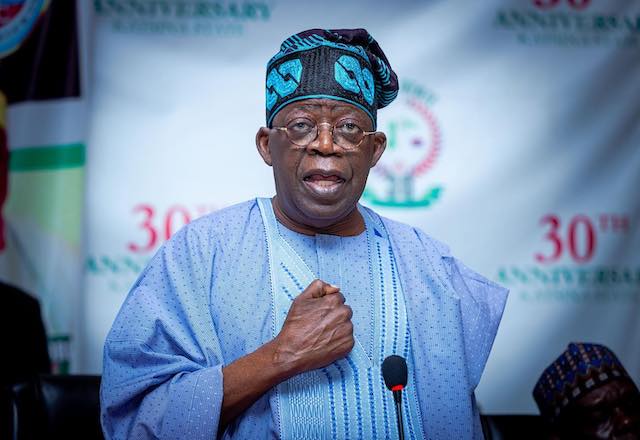

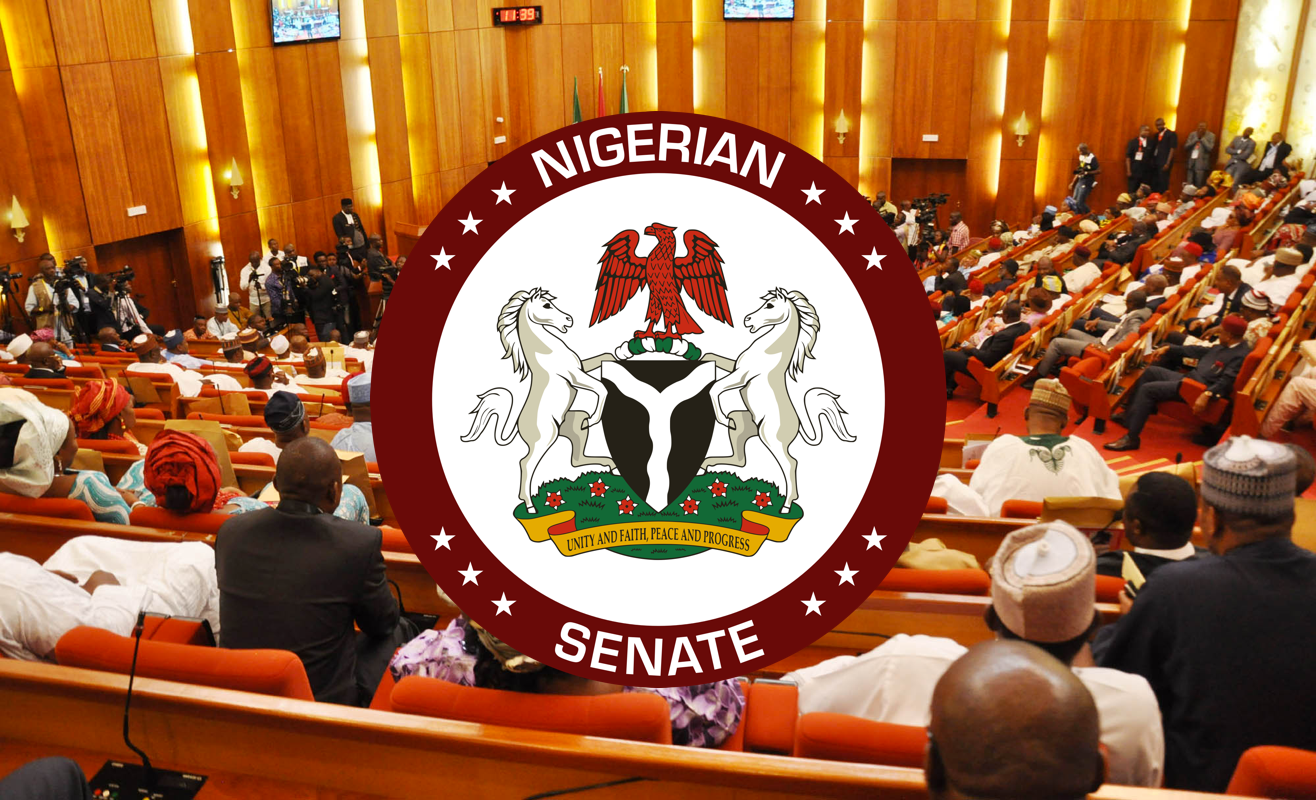
The Senate Leader, Opeyemi Bamidele, has announced plans to introduce a bill that would replace Nigeria’s current two-term presidential and gubernatorial system with a single, non-renewable six-year tenure, a reform he says would fundamentally redirect the energy of elected officials from political survival to public service.
Bamidele disclosed that the bill would be among the first he intends to lay before the Senate when the next legislative session commences, with the changes designed to take effect after the 2027 general elections.
At the heart of the proposal is the argument that the current arrangement is structurally incompatible with focused governance. According to the Senate Leader, the two-term system effectively turns first terms into extended campaign seasons, with office holders devoting critical early years to securing their political future rather than delivering on their mandate.
“The present two-term arrangement often pushes office holders to start political planning early in their first term, which reduces the time they spend on governance,” Bamidele said, adding that a single six-year term would remove that distraction entirely.
He argued that the certainty of having no second term to chase would, paradoxically, make leaders more effective. “Once a leader knows there is no second term, they would be more committed to using their time in office effectively,” he said, framing the proposal as a tool for accountability rather than limitation.
The Senate Leader acknowledged that the idea is unlikely to win universal support, but maintained that the role of lawmakers is to advance proposals they genuinely believe can improve the system. “Laws should be open to change as society develops and needs shift,” he noted.
Should the bill clear the National Assembly, it would not become law without constitutional amendments — a process that requires broader legislative consensus across both chambers and the state houses of assembly.
The proposal arrives at a politically charged moment, with the 2027 elections already casting a long shadow over national discourse, and debates over institutional reform growing louder across Nigeria’s political landscape.