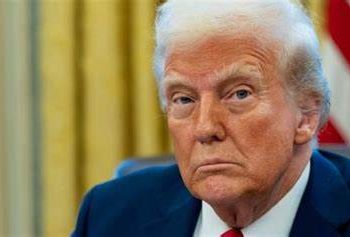

Iran has rejected claims by United States President Donald Trump that Washington and Tehran would begin a new round of negotiations on Monday aimed at ending the ongoing conflict between the two countries.
Trump had told reporters aboard Air Force One on Sunday that he had postponed further military strikes against Iran to allow diplomacy to proceed, saying negotiations would begin “tomorrow afternoon.”
However, Tehran quickly dismissed the announcement, insisting that it was not engaged in direct talks with Washington.
Iranian Foreign Ministry spokesman Esmaeil Baqaei told reporters during a weekly press briefing that the only discussions currently underway involved Oman and were focused on maritime access through the Strait of Hormuz.
“We are not currently negotiating with the United States. Our negotiations are with Oman to secure passage through the Strait of Hormuz,” Baqaei said.
The denial came as the conflict between Iran and the United States entered its sixth month, with disputes over Iran’s nuclear programme and shipping access through the strategic Gulf waterway remaining unresolved.
Trump said the proposed negotiations would address both the Strait of Hormuz and Iran’s nuclear activities.
“Now what we’re doing is we’re talking to them in the form of a negotiation. It begins tomorrow afternoon,” the US president said.
He did not disclose the venue for the talks or identify any officials expected to participate.
The Strait of Hormuz, through which a significant share of global oil supplies passes, has become a central point of contention in the crisis. Iran has tightened restrictions on vessel movements through the waterway and has reportedly demanded greater control over shipping operations, including the use of routes closer to its coastline.
Washington has rejected those demands, arguing that commercial ships should continue to enjoy free passage through the strait.
Baqaei suggested that discussions mediated by Oman had produced progress toward a compromise.
“We are now going to reach an understanding on a route acceptable to both sides, neither the northern route nor the southern route, but one that respects the sovereign rights of both sides and safeguards our national interests and security,” he said.
He cautioned, however, that any agreement on shipping routes would not necessarily mean that the Strait of Hormuz would be fully reopened to international traffic.
The current phase of the conflict began on February 28, when the United States and Israel launched surprise attacks against Iranian targets. Since then, periods of intense fighting have been punctuated by temporary ceasefires and diplomatic efforts that have repeatedly failed to produce a lasting settlement.
Trump had earlier threatened to strike Iran “very hard,” reportedly including attacks on energy infrastructure, but appeared to soften his stance over the weekend by suggesting that the “perimeters” of a possible deal were already taking shape.
The US president also claimed that Iran, along with regional allies such as Saudi Arabia, the United Arab Emirates and Qatar, had urged him to suspend additional military action.
According to Trump, the planned operation would have been “the biggest attack since World War II.”
Iranian media rejected the assertion that Tehran had appealed to Washington to halt military strikes.
Western governments have long accused Iran of seeking to develop a nuclear weapon, a charge Iranian authorities continue to deny. Tehran insists that its nuclear programme is intended solely for peaceful civilian purposes.
Meanwhile, Iranian lawmaker Hassan Ghashghavi, spokesman for parliament’s National Security Commission, said mediators were attempting to revive a memorandum of understanding reached between the United States and Iran in June.
He said the earlier agreement was never intended to be a final peace settlement but was designed to provide a framework for broader negotiations, including arrangements relating to the Strait of Hormuz.
“They know that the main issue and, in fact, the key to the matter right now is the issue of the Strait of Hormuz, so yes, there is an exchange of views,” Ghashghavi said.
Tensions around the waterway remained high on Sunday after a tanker sailing off the coast of Oman reported hearing an explosion nearby. The United Kingdom Maritime Trade Operations Centre said the vessel and its crew were safe, but the incident renewed concerns about the safety of commercial shipping in the area.
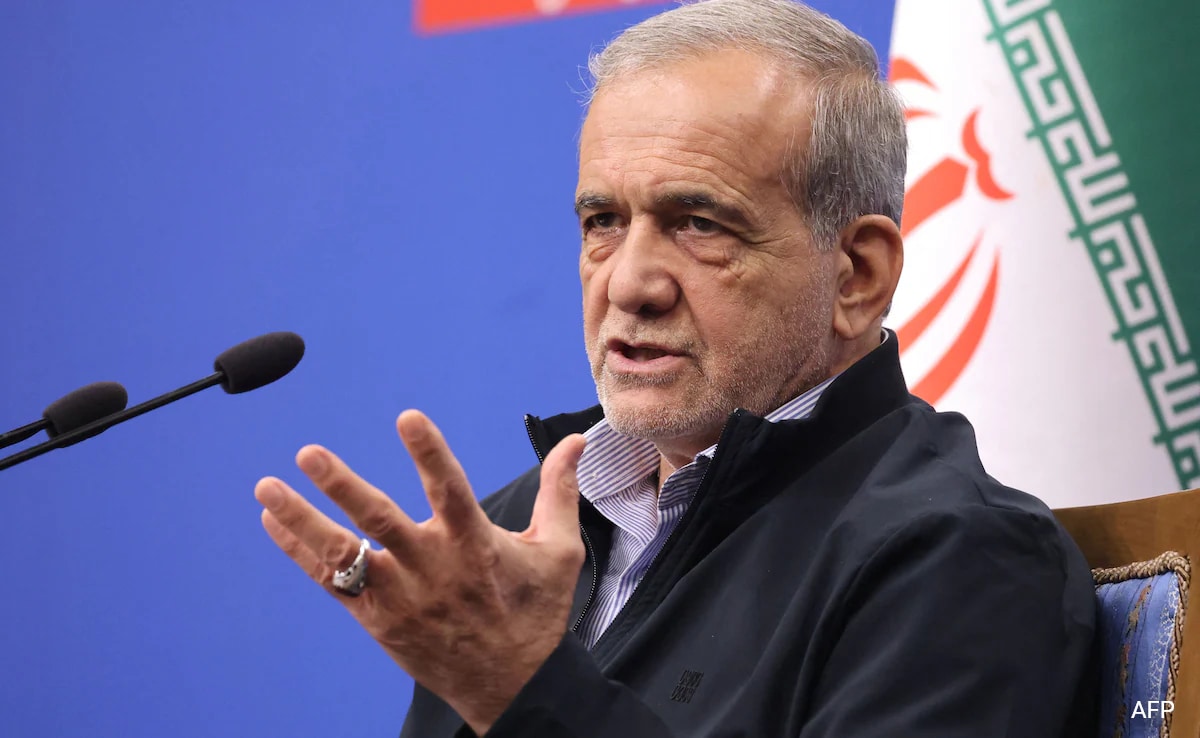
Iranian President Masoud Pezeshkian also called for continued efforts to ensure that any agreements reached during the conflict were honoured.
“We must strive to compel the enemy to remain committed to what it has signed,” Pezeshkian wrote in a post on 𝕏.
Despite renewed diplomatic contacts involving Oman, the sharp contradiction between Trump’s announcement and Tehran’s denial highlighted the deep mistrust that continues to undermine efforts to end the conflict and restore stability to one of the world’s most important energy corridors.