
A fresh disagreement has emerged between the Presidency and the Catholic Bishops’ Conference of Nigeria (CBCN) following a recent meeting with President Bola Tinubu, with both sides defending their positions on the country’s economy, security situation and governance.
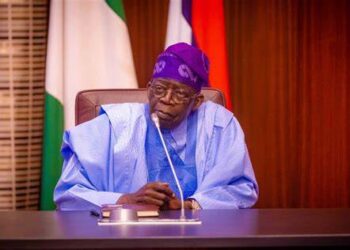
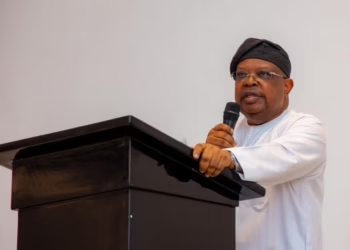
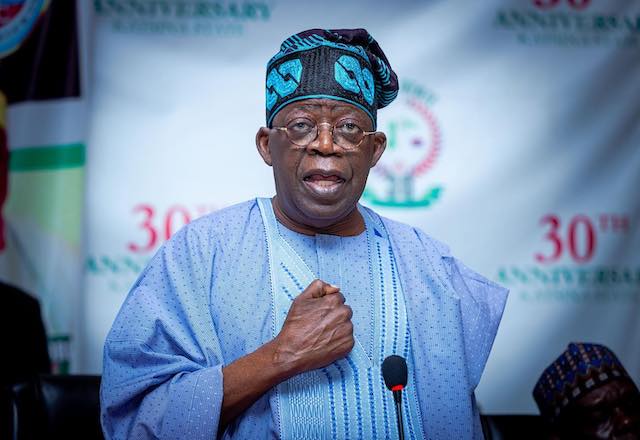
The dispute followed comments by Archbishop Emeritus of the Catholic Archdiocese of Abuja, Cardinal John Onaiyekan, who spoke publicly about the July 28 meeting between President Tinubu and a delegation of Catholic bishops at the Presidential Villa in Abuja.
During a television interview, Onaiyekan disclosed that the bishops presented a carefully prepared document expressing concerns over worsening economic hardship, insecurity and the state of democracy in Nigeria, but said the President disagreed with their assessment.
According to the cardinal, the submission reflected the collective position of the Catholic Bishops’ Conference rather than the personal opinions of those who attended the meeting.
“The statement read by our president was not just put together at random. It was carefully considered and with wide consultation. The Bishops’ Conference is bigger than the group of us that were there, but it is very representative of the Bishops’ Conference,” Onaiyekan said.
He added that the document underwent several revisions before it was presented to the President.
“It was written, rewritten and corrected. So it was not done at random, nor did we deliver it with levity.”
The former Abuja archbishop stressed that the bishops had no political ambitions and were only fulfilling their responsibility to speak on issues affecting Nigerians.
“We have no ambitions to take Mr Tinubu’s job or anybody else’s job. We are not politicians running for office. We are, first and foremost, religious leaders who feel we have a duty, not just to preach our religious doctrines, but also to address the lives of our people.”
Onaiyekan stated that the bishops informed President Tinubu that many of his administration’s economic policies were increasing the hardship experienced by ordinary Nigerians. However, he said the President maintained that the economy was improving.
“When the nation is bleeding, you cannot expect a polite meeting with the head of state. We told him the economy is not helping our poor people; he told us the economy is doing fine. Frankly speaking, he told us quite clearly that he did not agree with us.”
The cardinal noted that the bishops were not surprised by the President’s reaction.
“We didn’t expect him to agree with us. We have done our duty, we have delivered our message, and we have a feeling that, somehow, along the line, somebody will show him a few of the things we said.”
Onaiyekan also suggested that some individuals close to the President were not giving him an accurate picture of conditions across the country.
“There are so many people hanging around Mr President, giving him a rosy picture of what the country is, which it is not. We felt that we had a duty not to do that. Indeed, we have the obligation to help him appreciate the reality of the situation in which we find ourselves.”
He added that President Tinubu appeared unhappy with the bishops’ presentation because it differed from what he regularly hears from those around him.
In response, Senior Special Assistant to the President on Media and Publicity, Temitope Ajayi, defended the President’s position, insisting that the bishops’ assessment represented only one perspective and should not be treated as the definitive account of the nation’s condition.
Ajayi said the bishops were given the opportunity to freely present their concerns during the meeting and that the President responded with facts and evidence.
“None of the issues raised by the bishops is beyond scrutiny or rebuttal. Their assessment is neither scripture nor an article of faith. It is a perspective, and perspectives can be challenged with facts and evidence.”
He argued that while Nigerians continue to face economic challenges, the administration has made measurable progress, including improvements in the regular payment of salaries and pensions across several states.
“While this does not erase the discomfort many Nigerians still face, it is wrong to dismiss or ignore those improvements casually.”
Ajayi further rejected suggestions that President Tinubu was dismissive of the bishops’ concerns.
“When President Tinubu reminded the bishops of these facts during the meeting, he was not being aloof or dismissive. He was presenting evidence to support his argument that the country is not standing still. A disagreement over facts should not be interpreted as arrogance.”
The presidential aide also challenged the bishops’ description of Nigeria as a “bleeding nation,” saying the President’s assessment was informed by intelligence reports, security briefings and consultations beyond what is available to the public.
According to him, Tinubu acknowledged that the country still faces serious economic and security challenges but maintained that his administration has made significant progress.
“He did not pretend that Nigeria’s problems had disappeared. He acknowledged that significant economic and security challenges remain. His point was that the country has emerged from a dark tunnel, that his administration has laid the foundations for recovery, and that the next phase is to ensure the greatest number of Nigerians feel the gains.”
Ajayi also defended the administration’s economic reforms, saying they helped avert a deeper fiscal crisis and restored greater financial stability across many states.
He added that President Tinubu remains well-informed through daily intelligence briefings, newspaper reviews, television reports and consultations with government officials and other stakeholders.
“Against that background, the suggestion that President Tinubu somehow needs only the Catholic bishops to acquaint him with the truth is an overreach. They are an important constituency, but they are by no means the exclusive custodians of the national mood or the nation’s conscience.”
The exchange has sparked renewed debate over the country’s economic direction, security challenges and the role of religious leaders in national discourse, with both the Presidency and the Catholic Bishops maintaining firmly opposing views on the state of the nation.