
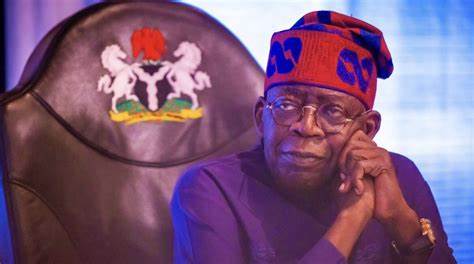
President Bola Tinubu has said his administration is working to transform Nigeria’s economic fortunes through reforms aimed at removing longstanding structural challenges, attracting investment, creating jobs and improving productivity.
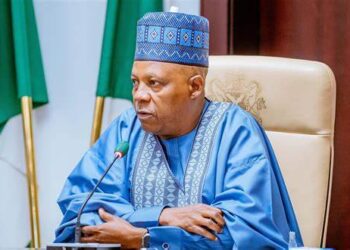
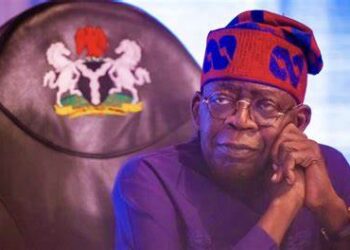
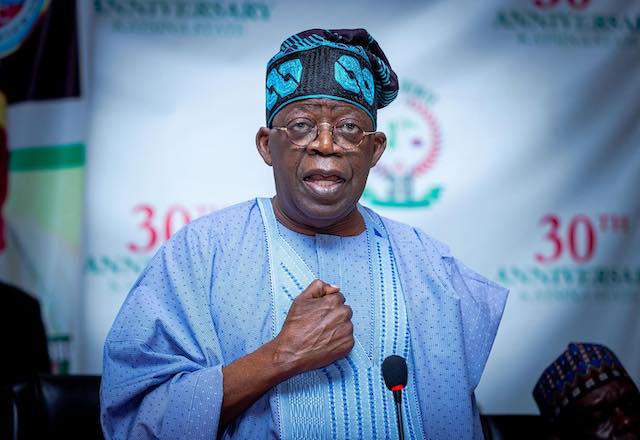
Tinubu made the remarks on Monday in Abuja while declaring open the 32nd Nigerian Economic Summit. He was represented at the event by Vice President Kashim Shettima.
The President acknowledged that his administration began with difficult economic decisions but maintained that sustainable growth could not be achieved through shortcuts.
“Distinguished ladies and gentlemen, we came to rewrite the story of a nation that has performed below its potential for far too long. But there is no shortcut to economic growth,” he said.
He explained that the government’s economic agenda was intended to improve livelihoods and expand opportunities for young jobseekers, farmers, manufacturers, entrepreneurs and innovators.
“For us, rescuing the economy means rescuing livelihoods and transforming the fortunes of young jobseekers, farmers, manufacturers, entrepreneurs and innovators,” Tinubu stated.
The summit, themed “Growth That Works: Delivering Jobs, Productivity and Shared Prosperity,” builds on earlier efforts to achieve a more prosperous and inclusive Nigeria by 2030.
According to the President, his administration has introduced reforms to address barriers that have prevented the country from fully benefiting from its human and natural resources.
“These reforms are restoring confidence, strengthening our economic foundations and laying the groundwork for sustainable growth,” he said.
Tinubu stressed that stabilising the economy was necessary to enable the public and private sectors to invest, expand operations and create productive employment.
He also argued that job creation should go beyond increasing employment figures to include improving working conditions, reducing underemployment and making better use of Nigeria’s workforce.
“Our pursuit of prosperity demands greater productivity from every worker, enterprise and investment,” he said.
The President added that infrastructure projects should be assessed by the economic activities they generate, while education should be measured by the skills and productivity it delivers.
Tinubu cited figures from the National Bureau of Statistics, stating that Nigeria’s inflation-adjusted Gross Domestic Product grew by 3.89 per cent in the first quarter of 2026, compared with 3.13 per cent recorded in the corresponding period of 2025.
He also said non-oil activities accounted for 96.08 per cent of the country’s GDP during the period, while manufacturing expanded by 3.29 per cent and the oil sector grew by 2.57 per cent.
On investment, Tinubu disclosed that capital importation reached $10.37 billion in the first quarter of 2026, representing an 83.83 per cent increase compared with the same period in 2025.
He said the figure included both portfolio investments and foreign direct investment, adding that the government would continue to reduce regulatory obstacles, improve transparency and make its policies more predictable.
“We will, therefore, continue to ease regulatory burdens, strengthen transparency and policy predictability, and expand access to finance,” he said.
The President also highlighted the administration’s tax reforms, describing them as efforts to establish a fairer and more modern system capable of funding development while providing businesses with greater certainty.
He said the government was implementing changes in the electricity market to improve power supply and attract investment in generation, transmission, distribution and alternative energy sources.
Tinubu further outlined plans to strengthen agriculture by connecting farms with storage facilities, processing centres and markets. He said the government was also expanding access to irrigation, mechanisation, financing and rural infrastructure.
In the solid minerals sector, he said Nigeria needed to move beyond extracting raw materials towards domestic processing, industrial production and exports.
Despite the figures and reforms highlighted by the administration, Tinubu acknowledged that much work remained to be done to achieve the country’s economic ambitions.
He pointed to the abilities of young Nigerians in technology, financial services and the creative industries as evidence of the country’s potential to compete globally.
The President maintained that the ultimate objective of the reforms was to translate economic progress into tangible benefits for citizens through better employment opportunities, stronger businesses and broader prosperity.