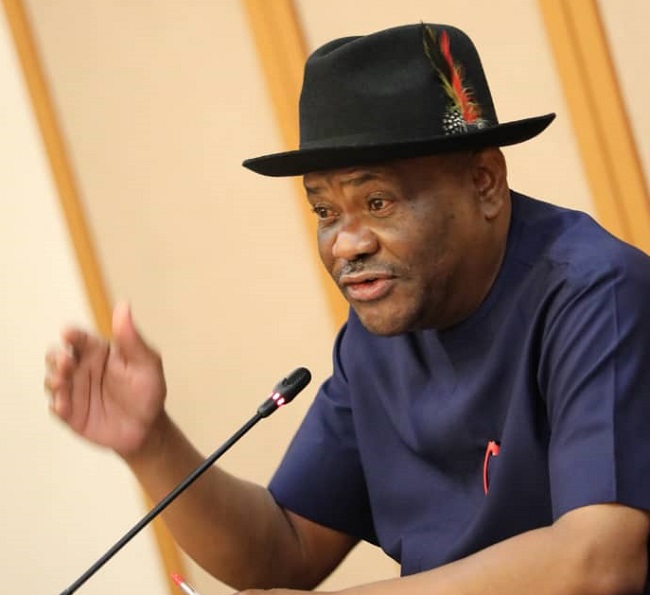


The Inspector-General of Police, Tunji Disu, has warned politicians and their supporters against using thugs, buying votes or intimidating voters and electoral officials ahead of the 2027 general elections.
Disu issued the warning on Monday at the sixth conference and retreat for senior police officers held in Owerri, Imo State, stressing that the police would take action against anyone involved in electoral offences.
According to the IGP, political competition should be based on ideas rather than violence and intimidation.
“To politicians and their supporters, my message is simple. Compete with ideas, not with thugs,” Disu said.
He further warned against vote buying, the movement of arms and threats against voters or electoral officials, saying offenders would be dealt with regardless of their political standing.
“Do not hire mobs, buy votes, move arms or threaten voters and electoral officials. The police will act against anyone who does that, whatever their status,” the police chief stated.
Disu also disclosed that the Nigeria Police Force would collaborate with relevant institutions to investigate cases of vote buying and other forms of electoral inducement.
“Arrest is not enough; we will work with INEC, EFCC, and ICPC to investigate vote buying and inducement. We will also work with prosecutors so that those arrested will face trial, not just headlines,” he said.
The IGP urged Nigerians to participate peacefully in the electoral process and report any violations to the appropriate authorities.
“Impunity is the greatest encouragement of electoral crimes. To the people of Nigeria, go out, vote peacefully and report wrongdoing,” Disu added.
He maintained that individuals arrested for electoral offences would be prosecuted irrespective of their position or status.
The conference was attended by Imo State Governor Hope Uzodimma, Secretary to the Government of the Federation George Akume, representatives of other security agencies and other government officials.
As part of preparations for the 2027 elections, Disu also unveiled a six-point framework covering intelligence and early-warning systems, police training and preparedness, joint operations among security agencies, improved communication and technology, community engagement, and strict political neutrality.