
The Nigeria Centre for Disease Control and Prevention (NCDC) has identified 53 primary contacts linked to Nigeria’s confirmed Ebola case as health authorities intensify efforts to prevent further spread of the virus.
The agency also confirmed that a suspected Ebola case reported in Rivers State tested negative following laboratory investigations.
The Director-General of the NCDC, Dr Jide Idris, disclosed this on Sunday during a press briefing in Abuja, where he provided an update on the country’s response to the outbreak.
Idris said health officials were monitoring individuals who might have been exposed to the virus following the confirmation of an infection in a 42-year-old woman who recently returned to Nigeria from Uganda.
“We have established two suspected cases and 53 primary contact links. They are primary contacts. We have an isolation centre and a quarantine centre,” he said.
According to the NCDC chief, the affected woman began experiencing symptoms on October 7 and sought medical attention at a private health facility on October 10.
She subsequently visited another private hospital the following day, where she was admitted for treatment.
Idris explained that the NCDC received notification of the suspected infection on October 19, prompting an investigation and the collection of samples for laboratory testing.
The agency’s National Reference Laboratory confirmed the Ebola infection on October 20.
He said the patient presented with fever, diarrhoea, generalised body aches and a sore throat but did not report any bleeding.
The NCDC director-general added that the agency had strengthened its laboratory capacity to ensure suspected Ebola cases could be investigated and confirmed without unnecessary delays.
He disclosed that approximately 12 public and private laboratories were available to conduct Ebola tests as part of the country’s diagnostic response.
The agency is also working to strengthen surveillance and ensure that individuals who may have come into contact with the infected patient are identified and monitored.
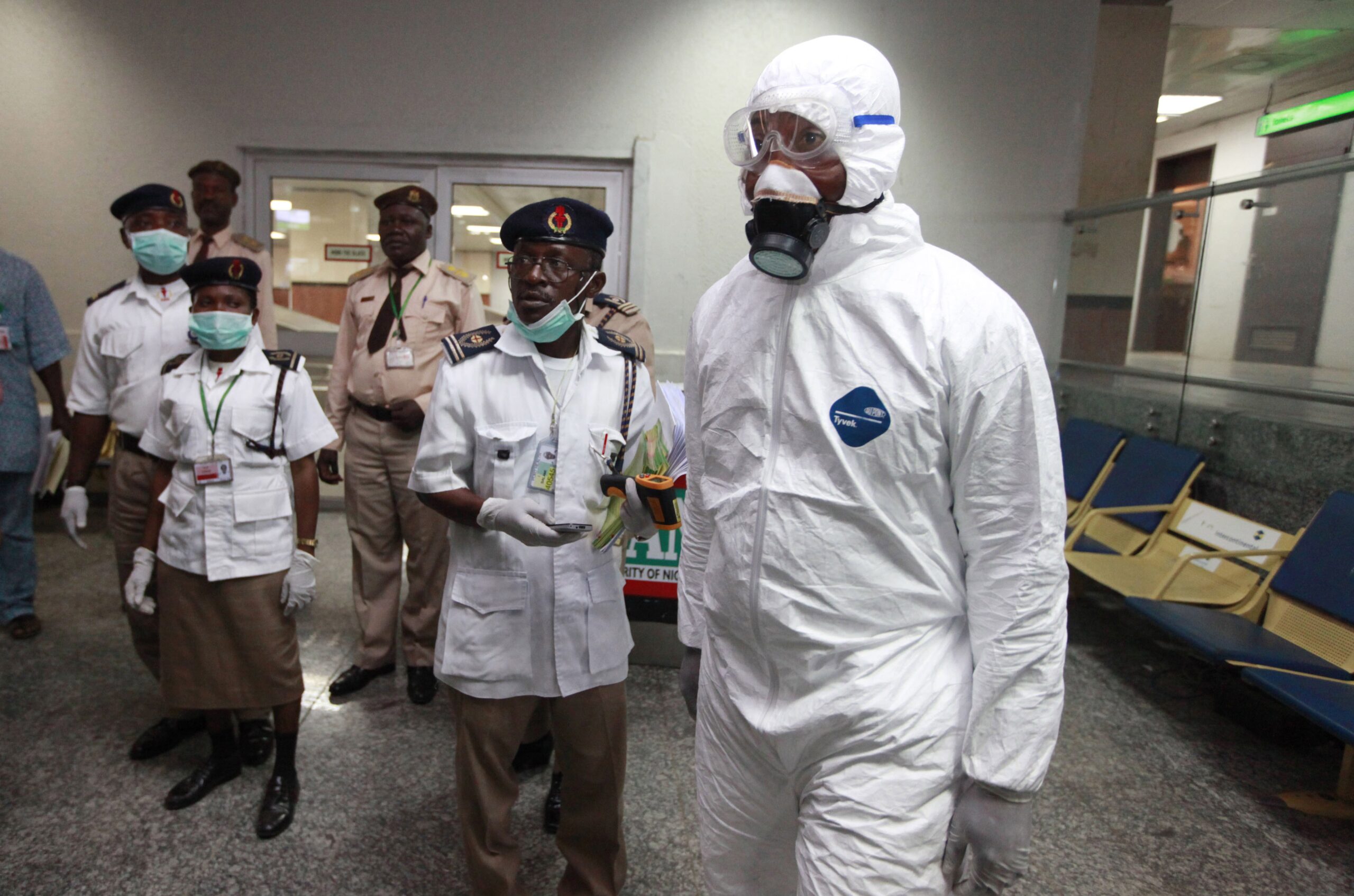
As part of the response, the NCDC urged public and private healthcare facilities to improve screening procedures, strengthen patient triage and strictly observe infection prevention and control protocols.
Healthcare workers were also advised to ensure they had adequate personal protective equipment when attending to suspected cases.
The agency stressed the importance of early detection, prompt reporting and effective infection control in preventing further transmission.
Ebola is transmitted through direct contact with the blood or other body fluids of an infected person who is showing symptoms, or through contaminated materials.
The NCDC’s latest update comes amid heightened public health surveillance following the confirmation of the case, with authorities continuing to investigate potential exposures and monitor suspected infections.