

The Nigeria Centre for Disease Control and Prevention (NCDC) has approved a weekly payment of ₦100,000 for each person identified as a contact of an Ebola patient to support their welfare while under health monitoring.
The Director-General of the agency, Dr Jide Idris, disclosed this on Sunday, October 25, during a briefing on Nigeria’s response to the Ebola outbreak.
Idris explained that the financial support became necessary after some individuals being monitored raised concerns about the economic difficulties they faced while complying with public health directives.
According to him, some contacts expressed worries about meeting their daily needs and supporting their families while temporarily staying away from their regular activities.
He said the NCDC had therefore decided to provide financial assistance alongside accommodation and feeding arrangements to reduce the burden on those affected.
“We are paying for their accommodation; we are paying for their feeding. Some of them are asking for a stipend to maintain their families,” Idris said.
He added that each identified contact would receive ₦100,000 weekly to cover essential needs during the monitoring period.
“We are providing ₦100,000 per person per week just to maintain their comfort and feeding, because they were complaining,” the NCDC chief stated.
Idris noted that the payment was not part of the agency’s initial response plan but had become necessary because of the emergency.
“This was not planned for, but it is an emergency. We will continue to review it as we go along,” he said.
The NCDC director-general also stressed that the responsibility for supporting individuals affected by Ebola monitoring should not be limited to the Federal Capital Territory, where Nigeria’s confirmed case was reported.
He explained that similar assistance could be extended to other states if further cases or contacts were identified.
“This is not the responsibility of the FCT alone. What we have to do for the FCT, we have to do for any other state, just in case,” Idris added.
The financial support forms part of the wider public health response aimed at ensuring that people identified through contact tracing comply with monitoring requirements and other preventive measures.
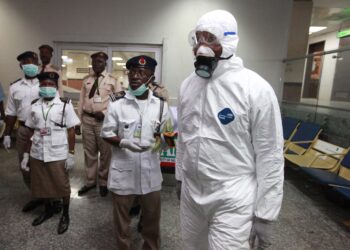
Health authorities have continued to strengthen surveillance, trace people who may have been exposed to the virus and monitor suspected cases as efforts to prevent further transmission continue.
The NCDC has emphasised the importance of cooperation from identified contacts, noting that supporting their basic needs can help reduce the difficulties associated with following public health instructions during an outbreak.