
The United States Department of State has cautioned American business executives about investment risks in Nigeria, citing insecurity, corruption, inefficient seaports and uncertainty surrounding regulations.
The warning was contained in the department’s 2026 Investment Climate Statements on Nigeria, which assessed the country’s business environment and the challenges confronting foreign investors.
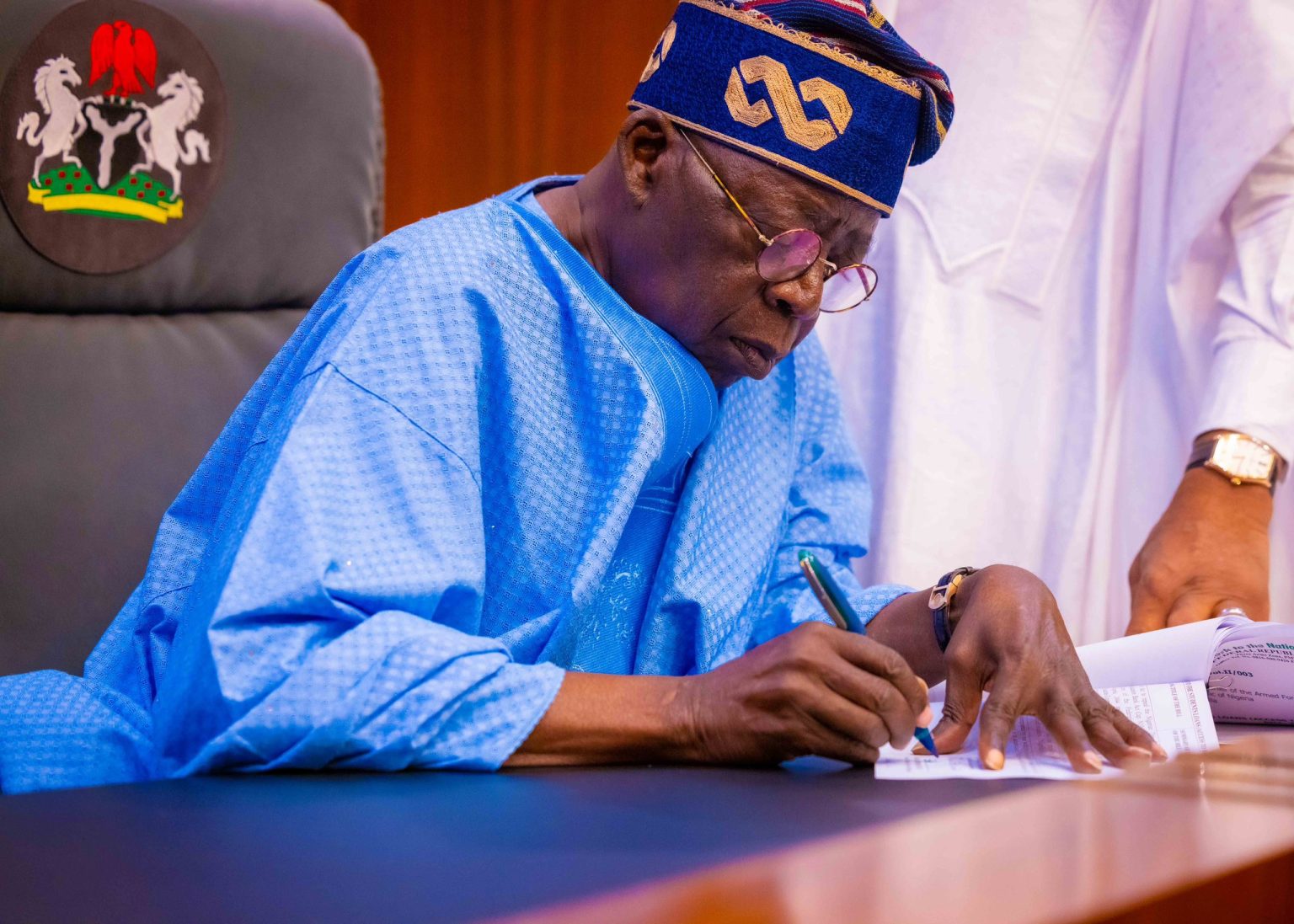
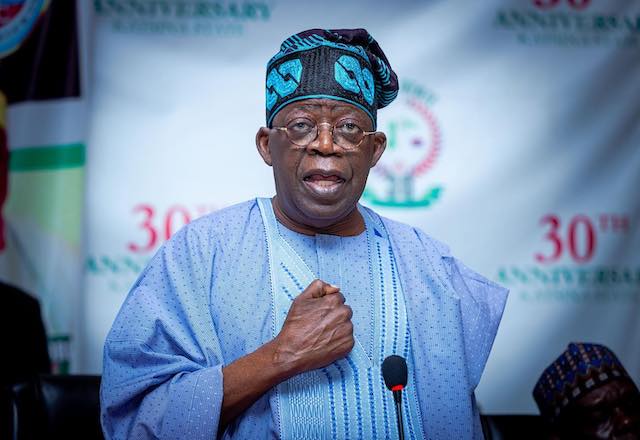
According to the report, Nigeria’s economic environment has been influenced by structural reforms introduced by President Bola Tinubu’s administration, including the removal of fuel subsidies and the liberalisation of the foreign exchange market.
Although the reforms initially triggered economic instability, the report noted that some indicators in early 2026 suggested signs of improvement.
However, it warned that security threats, bureaucratic delays and the social impact of the reforms continued to pose significant concerns for investors.
“The security environment is a primary variable which gives pause to potential investors,” the report stated.
The department observed that attacks on oil infrastructure in the Niger Delta had declined but warned that oil theft and illegal bunkering remained persistent problems.
It also expressed concern over the activities of terrorist groups and armed bandits in northern Nigeria, noting that their expansion was affecting the prospects for investment in agriculture and mining.
The report further highlighted concerns over the treatment of foreign business executives during regulatory disputes, referencing the detention of Tigran Gambaryan, an American citizen and Binance executive, for nearly eight months in 2024.
It said the incident could serve as a warning to foreign executives considering business opportunities in Nigeria.
“Furthermore, the use of coercive exit bans and detentions, highlighted by the high-profile nearly eight-month detention in 2024 of U.S. citizen Binance employee Tigran Gambaryan, serves as a cautionary note for foreign executives regarding the risks of aggressive regulatory friction,” the report stated.
The department warned that such incidents could influence international perceptions of Nigeria and affect decisions by foreign companies considering investments in the country.
Inefficiencies at Nigerian seaports were also identified as a major obstacle, particularly for businesses that depend on the importation and exportation of goods.
“Port inefficiency remains a significant ‘hidden tax’ on investment,” the report said.
Despite the concerns, the department acknowledged the contribution of the Lekki Deep Seaport to Nigeria’s trade activities.
The port reportedly handled $9.6 billion worth of trade in 2025 while operating at 50 per cent of its capacity, helping to reduce pressure on older port facilities.
The report’s assessment suggests that while Nigeria has recorded some signs of economic stabilisation following recent reforms, persistent security, regulatory and infrastructure challenges remain important considerations for American businesses seeking investment opportunities in the country.