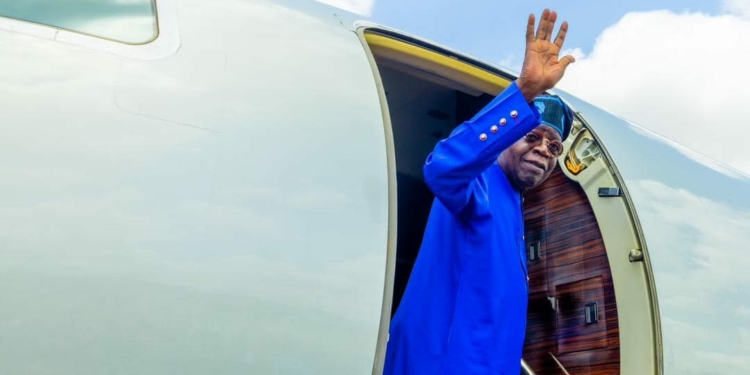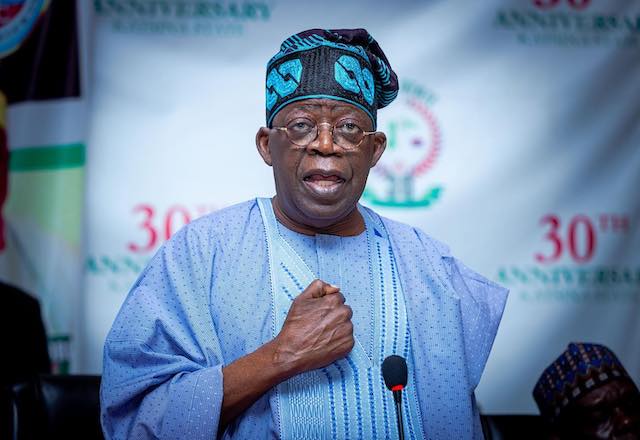

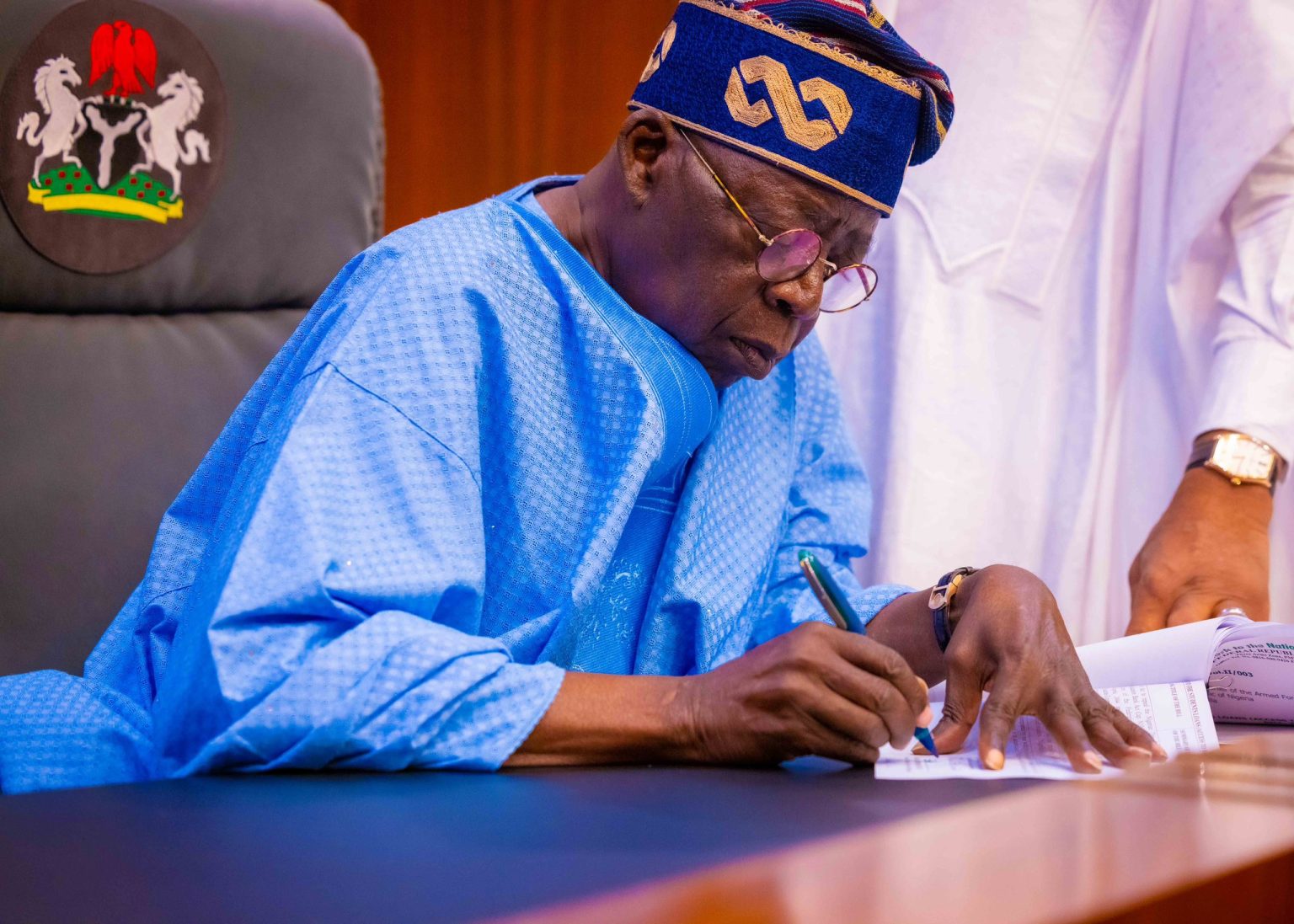
President Bola Ahmed Tinubu has formally asked the Nigerian Senate to approve a new external borrowing request of $516.3 million to support the Sokoto–Badagry Superhighway project, a major infrastructure initiative aimed at improving connectivity across the country.
The request, contained in a letter addressed to Senate President Godswill Akpabio, was presented during Thursday’s plenary session.
According to the proposal, the loan will finance Sections 1, Phase 1a and 1b of the highway—covering approximately 120 kilometres of the planned 1,000-kilometre corridor. The road is designed to stretch from Illela in Sokoto State, passing through Kebbi, Niger, Kwara, Oyo, and Ogun states, before terminating in Badagry, Lagos.
Tinubu explained that the financing structure involves a syndicated facility arranged by Deutsche Bank AG, with backing from the Islamic Corporation for the Insurance of Investment and Export Credit through a partial risk guarantee.
He further disclosed that the Federal Government will contribute over ₦265.5 billion as counterpart funding. This allocation will cover land acquisition, compensation, and other supporting infrastructure tied to the project.
The proposed loan carries a nine-year tenure, including a grace period of up to three years. Interest will be calculated at the Chicago Mercantile Exchange SOFR rate plus 5.3 percent annually.
Tinubu noted that the Federal Executive Council has already approved the borrowing plan and urged lawmakers to incorporate it into the country’s broader borrowing framework. He emphasized that the highway is expected to improve road safety, cut transportation costs, and strengthen economic integration by linking production hubs to key markets and export routes. The design also includes provisions for future rail lines and utility infrastructure.
Following the presentation, Akpabio referred the request to the Senate Committee on Foreign and Local Debts for further review, directing the panel to report back within one week.
Commenting on the project, Senator Mohammed Adamu Aliero described the initiative as long overdue, noting that it has been under consideration for decades. He said ongoing construction work includes a combination of concrete and asphalt surfaces, alongside solar-powered street lighting.
Aliero added that once completed, the highway could significantly reduce travel time between Sokoto and Lagos—from about 13 hours to roughly six—marking a major shift in mobility and logistics efficiency across the corridor.