
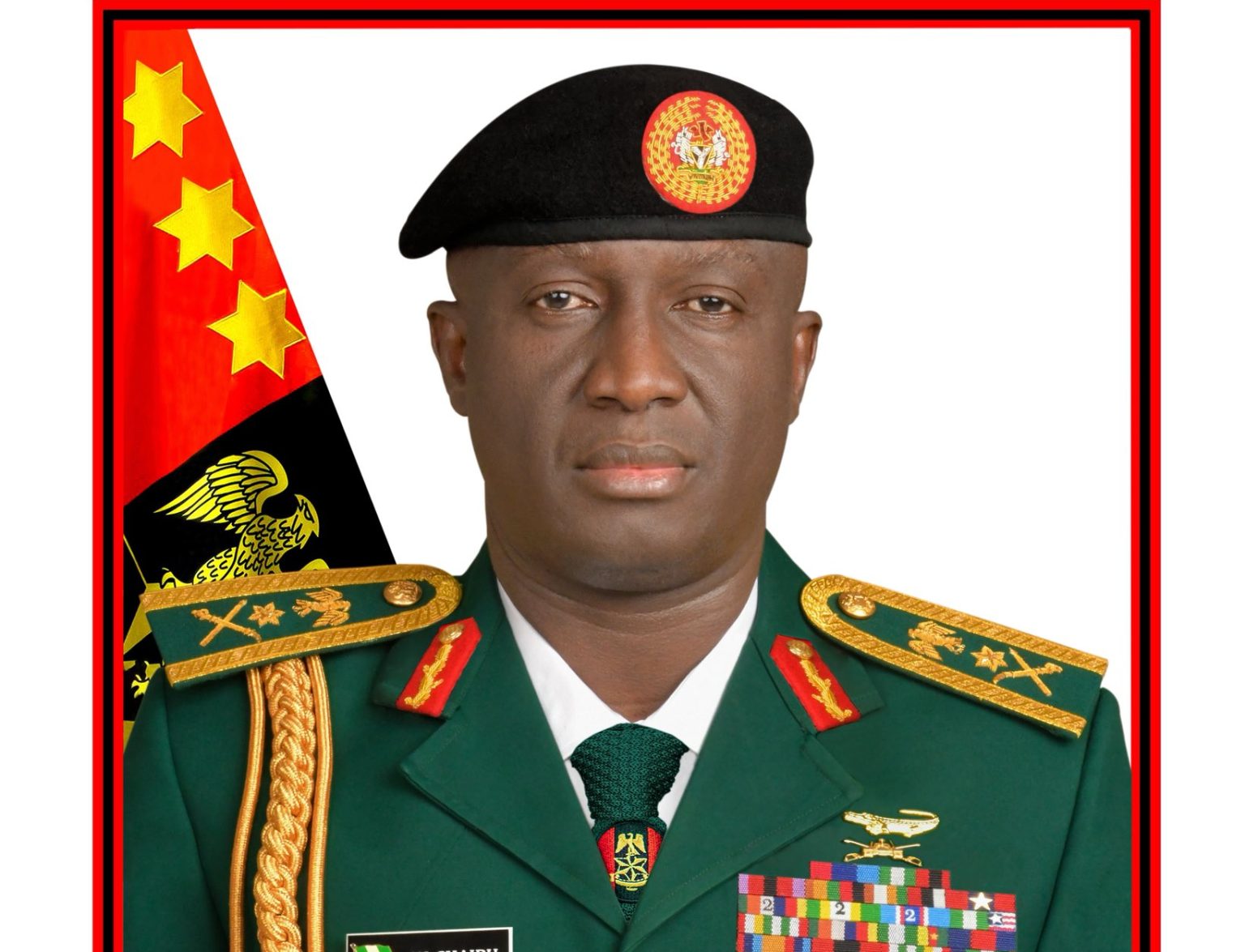
The Nigerian Army has issued a directive to media organizations and the public to immediately cease using outdated photographs of the newly appointed Chief of Army Staff, Lieutenant General Waidi Shaibu, following the release of his official portrait.
In a statement posted on its official social media platform on Tuesday, the Army emphasized the need for uniformity in the representation of its top officer across all media channels and warned against the continued circulation of previous images.
The military specifically cautioned journalists and media houses against using photographs that show Shaibu in his former rank of Major General, noting that such images no longer accurately reflect his current status as the 25th Chief of Army Staff.
“You are kindly requested to update your media archives accordingly and refrain from using previous photographs, particularly those depicting the Chief of Army Staff with the rank of Major General, in subsequent publications,” the statement read.
The Army also announced that an earlier portrait that had been circulated should be disregarded, as it has been officially withdrawn and replaced with the newly approved image.
While issuing the directive, the military took the opportunity to commend Nigerian journalists for their role in supporting national security objectives through responsible reporting. “The Nigerian Army sincerely appreciates your professionalism, commitment and invaluable contributions to national security through factual and responsible reporting of our activities,” the statement added.
The newly released portrait now serves as the sole authorized image for use in all reports, features, profiles, and official documentation relating to the office of the Chief of Army Staff.
Lieutenant General Shaibu’s appointment represents a significant milestone in his military career, which spans three decades of service to the nation. His confirmation by the Senate on Wednesday, October 29, came swiftly and with strong endorsements from lawmakers who vouched for his competence and character.
The upper legislative chamber confirmed Shaibu less than an hour after clearing General Olufemi Oluyede as Chief of Defence Staff, as part of President Bola Tinubu’s comprehensive overhaul of the military’s top leadership structure.
During the confirmation hearing held at the National Assembly complex in Abuja under tight security, Senate President Godswill Akpabio described the screening process as a constitutional responsibility designed to ensure that only the most capable and patriotic officers assume command of Nigeria’s armed forces.
Akpabio had informed his colleagues that extensive questioning during the open session would not be necessary, as lawmakers would engage the nominees more thoroughly during closed-door discussions. “There is no need to ask them too many questions because we will be having a closed-door session with them,” the Senate President stated.
Senator Isah Jubrin, representing Kogi East, provided particularly strong support for Shaibu’s nomination, drawing on his three-decade personal acquaintance with the officer to attest to his suitability for the position.
“The officer is well known to me. I have known him for 30 years. Shaibu is humble and takes his job very seriously. I want to believe that is an asset. I believe he has what it takes to move Nigeria out of the challenges the country is experiencing today,” Jubrin told his Senate colleagues.
Following his confirmation, Shaibu was given the traditional senatorial privilege to “take a bow” and assume his duties without further delay, a gesture typically reserved for nominees with impeccable credentials and strong legislative support.
The new Army Chief takes charge at a critical time for Nigeria’s security architecture, with the military engaged in multiple operations across different theaters, including counter-insurgency efforts in the Northeast, anti-banditry campaigns in the Northwest, and operations against separatist groups in other regions.
The Army’s insistence on proper visual representation of its leadership reflects broader efforts to maintain institutional dignity and ensure accurate public communication about the military’s command structure. By mandating the use of current and rank-appropriate imagery, the military seeks to avoid confusion and maintain the respect associated with the office of Chief of Army Staff.
Media organizations are now expected to comply with the directive by purging their archives of outdated photographs and exclusively using the newly released official portrait in all future coverage of the Army Chief and his activities.