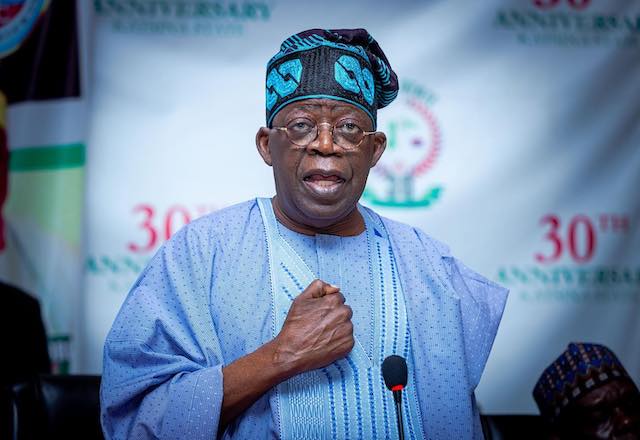

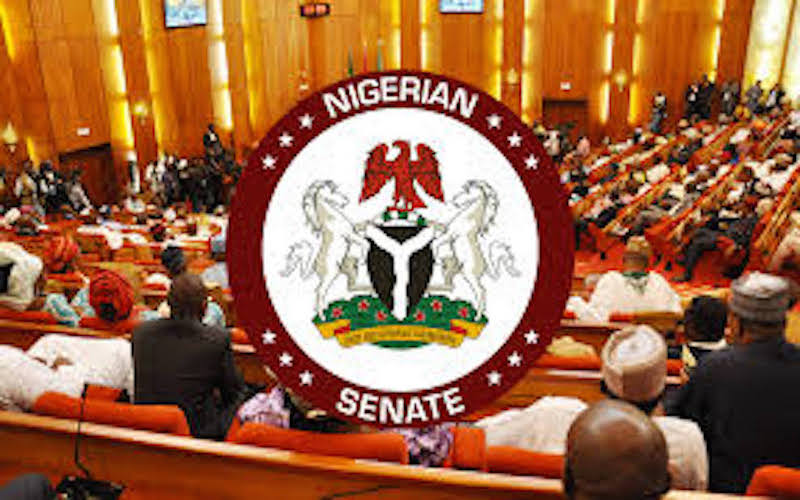
On Thursday, June 6, the Nigerian Senate passed the “National Anti-Doping Bill 2024,” a significant legislative move initiated by President Bola Tinubu to combat the use of performance-enhancing drugs among athletes.
The new law aims to prohibit the consumption of such substances by Nigerian athletes both during and after sporting events.
The passage of this bill follows President Tinubu’s formal request, submitted in a letter read on the Senate floor by Deputy Senate President Barau Jibrin. This legislative action aligns with Nigeria’s commitment to international sports standards, particularly ahead of the 2024 Olympic Games in France.
In his letter, President Tinubu stressed the importance of adopting and enforcing the international convention against doping in sports within Nigeria. The bill also calls for the establishment of a Nigerian anti-doping center, which will be responsible for implementing the country’s commitments under the World Anti-Doping Code.
The bill was thoroughly reviewed by the Senate Committee on Judiciary, Human Rights, and Legal Matters, led by Senator Mohammed Monguno. After careful consideration, the committee’s recommendations were accepted, and the bill was approved for a third reading through a voice vote led by Deputy Senate President Barau Jibrin.
This legislative milestone represents a crucial advancement in Nigeria’s sports governance. It ensures that athletes adhere to principles of fair play and integrity, thereby promoting a clean and ethical sporting environment both nationally and internationally.