
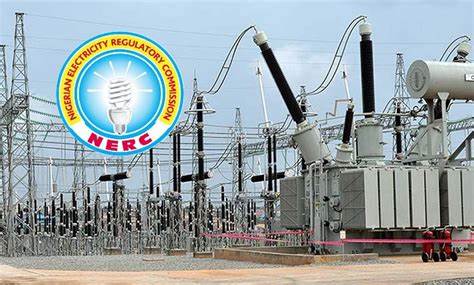
The recent tariff hike authorized by the Nigerian Electricity Regulatory Commission (NERC) is set to impact approximately 1,974,385 electricity consumers across the country. Prior to these changes, ‘Band A’ customers in Nigeria paid an average of about N60,000 monthly for electricity, a figure that has surged to N204,000.
According to reports, NERC approved an increase in the electricity tariff per unit from approximately N66 to N225 for various distribution companies (DisCos) in Nigeria, effective immediately.
This 240 percent increase means that ‘Band A’ power consumers will now pay N225 per kilowatt-hour (kWh), up from the previous N66/kWh, with the adjustments taking effect this month.
During a press briefing in Abuja, the Commission’s Vice Chairman, Musliu Oseni, clarified that the tariff adjustment would only impact customers receiving 20 hours or more of power supply daily, excluding those in Bands B, C, D, and E who utilize less than 20 hours of electricity per day.
NERC specified that the tariff adjustments would affect less than 481 feeders out of over 3,000 DisCos’ feeders, constituting 15 percent of the over 12 million electricity consumers covered by the Nigerian Electricity Supply Industry (NESI).
Oseni further revealed that NERC had instructed the downgrade of most feeders that previously failed to meet the 20-hour supply threshold to lower bands.
In response to the heightened charges, labor associations and concerned citizens have urged the government not to eliminate electricity subsidies, a proposition advocated by the International Monetary Fund (IMF).
The IMF, in its recent report titled ‘IMF Executive Board Concludes Post Financing Assessment with Nigeria,’ emphasized the need to remove subsidies to reallocate resources towards more targeted and impactful social welfare programs.
As the cost-of-living crisis persists, the IMF suggested implementing targeted social transfers to provide temporary assistance to the most vulnerable segments of the Nigerian population.
In light of the tariff hike, an analysis by Naija News found that an average ‘Band A’ consumer, previously spending N60,000 monthly on electricity, is now expected to pay approximately N204,000, marking a significant increase of 240.9 percent.
Previously, N60,000 could purchase 909.09 kWh or units, but now it can only buy 266.66 kWh or units.
NERC defended the heightened charges, emphasizing that premium customers could significantly reduce or eliminate expenditures on diesel and petrol generators, as they would now have access to uninterrupted power supply for 20 hours or more.