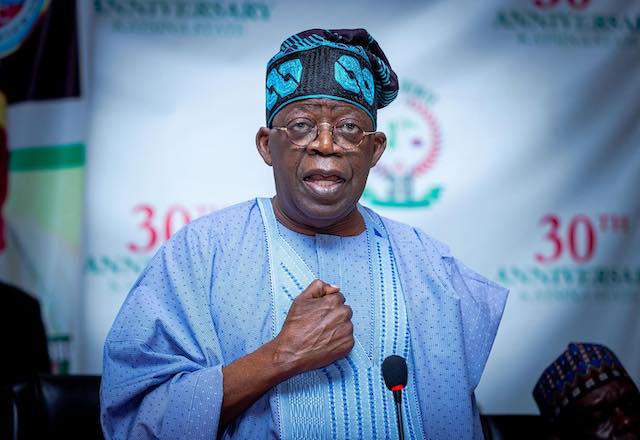

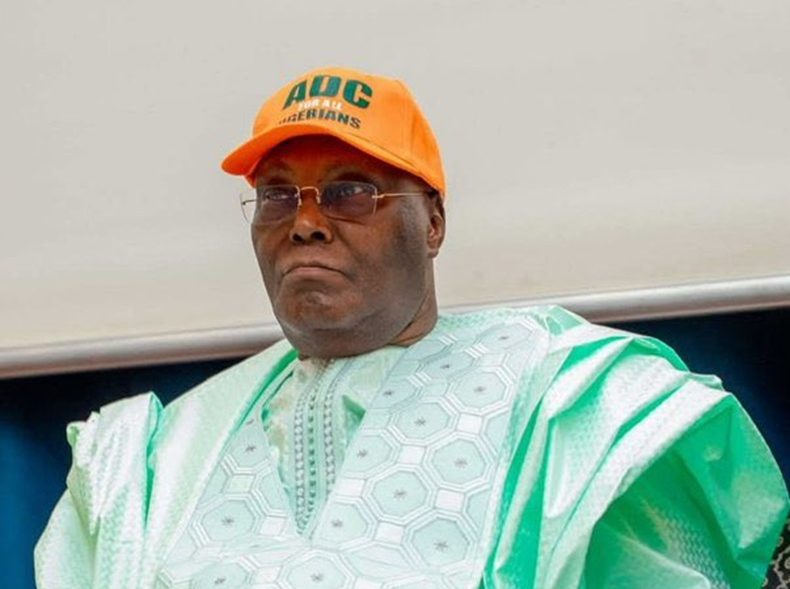
African Democratic Congress (ADC) presidential candidate, Atiku Abubakar, has challenged President Bola Tinubu to appear for a live interview with Nigerian journalists following his recorded session with American lobbyist and media personality, Diana London.
Atiku also raised questions about the circumstances surrounding the interview, suggesting it could be connected to an alleged $4.5 million lobbying arrangement involving the Nigerian government in the United States.
The former Vice-President made his position known in a statement issued on Wednesday by his Director of Strategic Communication, Phrank Shaibu.
The controversy followed London’s social media post on Tuesday, in which she shared photographs of her interview with Tinubu at the Presidential Villa in Abuja. Recording equipment could be seen in the background of the pictures.
In the post, which has since been deleted, London praised the security cooperation between Nigeria and the United States, crediting the partnership between Tinubu and US President Donald Trump for what she described as progress in the fight against terrorism.
“The U.S-Nigeria security partnership is delivering results. Peace Through Strength,” she wrote.
“None of this happens without the ongoing partnership between President Trump and President Tinubu, their steadfast commitment to eliminating terrorists, and Nigeria’s willingness to work closely with the U.S. government.
“Because of the success of their partnership and relationship, the economic and trade opportunities are endless. The best is yet to come. Nigeria is the United States greatest ally in Africa.”
Reacting, Atiku cited US filings which, according to him, identified London as a consultant to DCI Group AZ, working on behalf of Nigeria through Aster Legal.
He further alleged that DCI Group received a $4.5 million retainer, while questioning whether Tinubu’s interview was included in the services covered by the arrangement.
Atiku also expressed concern over London’s decision to delete her post, arguing that Nigerians deserved an explanation for its removal.
“Nigerians are entitled to ask what changed between the glowing praise and its disappearance,” he said.
“Someone who could delete her own public praise of this government without an explanation has given Nigerians reason to wonder what will survive the editing of her interview.”
The ADC presidential candidate subsequently called on the Presidency to make the complete recording of the interview public, insisting that Nigerians should be able to assess the exchange without edits.
“Will difficult questions and awkward answers remain in the final cut? Or will Nigerians be served a carefully redacted, defensive account that mutilates the facts? The Presidency can put those doubts to rest by releasing the full, unedited recording,” he stated.
He also questioned the presence of a large screen positioned within Tinubu’s line of sight during the recording, raising concerns about whether the questions had been prepared beforehand.
Atiku urged the President to engage directly with Nigerian media professionals, specifically mentioning Rufai Oseni, Ojy Okpe, Seun Okinbaloye and Reuben Abati as journalists he should face in a live interview.
“Let him sit with them live. Let him explain why food costs so much, why wages no longer cover transport, and when families can expect relief. A flattering interview cannot wipe away poverty and hunger,” Atiku said.
He further demanded that the Federal Government make the alleged lobbying agreement public, disclose the payments involved and identify the officials who authorised the expenditure.
“Who authorised the $4.5 million payment, and from which public account did it come? At a time when Nigerians are told to endure the pain of fuel subsidy removal, they deserve to know whether the money saved is being spent on foreign publicity,” he said.
Atiku concluded by calling on the Presidency to publish the contract, provide the relevant invoices, release the unedited interview and allow Tinubu to answer questions from Nigerian journalists.
“Publish the contract. Show the invoices. Release the unedited interview. Then face Nigerian journalists and answer the people,” he added.