
Nigeria has recorded 1,115 confirmed cases of Lassa fever and 263 deaths across 24 states, with the disease’s case fatality rate rising to 23.6 per cent, according to the Nigeria Centre for Disease Control and Prevention (NCDC).
The figures were contained in the agency’s situation report for epidemiological week 38, covering September 14 to 20, 2026.
The report indicated that the fatality rate had increased from 18.5 per cent recorded during the corresponding period in 2025, highlighting continuing concerns over deaths linked to the viral disease.
Despite the rise in the fatality rate, the number of new infections declined during the week under review. The NCDC recorded 11 confirmed cases, compared with 17 cases reported in the preceding week.
The latest infections were reported in Ondo, Edo and Taraba states, bringing the geographical spread of the disease to 119 local government areas across 24 states.
However, the agency noted that most confirmed infections remained concentrated in five states, which accounted for the bulk of the national caseload.
“87 per cent of all confirmed cases were reported from five states: Bauchi, Ondo, Taraba, Benue and Edo,” the report stated.
The NCDC also identified young adults as the most affected age group, with people between 21 and 30 years accounting for the predominant share of infections.
“The predominant age group affected by Lassa fever remained people aged between 21 and 30 years,” the agency noted.
No new Lassa fever infections among healthcare workers were recorded during epidemiological week 38, according to the report.
The latest figures represent an increase from the cumulative statistics recorded through week 37, when Nigeria had reported 1,104 confirmed cases and 259 deaths, with a case fatality rate of 23.5 per cent.
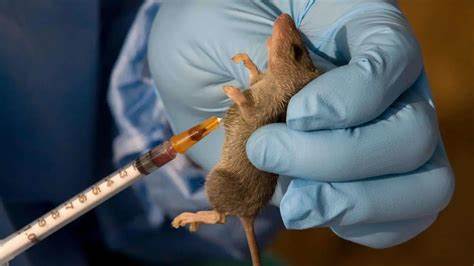
Lassa fever is an acute viral illness primarily transmitted to humans through food and household items contaminated by infected rodents. Human-to-human transmission is also possible, particularly in healthcare settings where appropriate infection prevention and control measures are not observed.
Health authorities continue to emphasise the importance of proper hygiene, safe food storage and measures to prevent rodents from entering homes and food preparation areas.
Members of the public are also advised to seek medical attention promptly when symptoms suggestive of Lassa fever develop, while healthcare workers are urged to maintain appropriate infection prevention procedures to limit further transmission.