
Nigeria has failed to meet the minimum fiscal transparency requirements for the second consecutive year, with the United States Department of State concluding that the country made no significant progress in improving public financial management or increasing openness in its public finances.
The finding was contained in the 2026 Fiscal Transparency Report, which assessed 139 governments and the Palestinian Authority. According to the report, only 73 governments met the minimum fiscal transparency standards, while Nigeria was listed among 53 countries that showed no measurable progress during the review period covering January 1 to December 31, 2025.
The assessment comes at a time when concerns have continued to grow in Nigeria over budget execution, revenue management, and the operation of multiple budget cycles simultaneously by federal authorities.
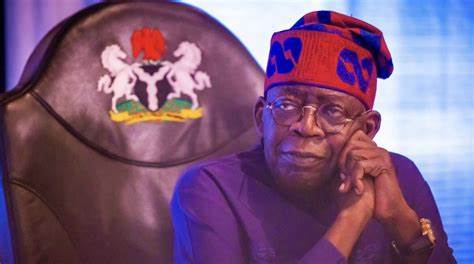
In an initial response, the Presidency reportedly maintained that transparency, accountability, and effective public financial management remain key priorities of the Tinubu administration.
U.S. Faults Nigeria’s Budget Framework
The State Department issued a strong criticism of Nigeria’s budgetary process, arguing that federal spending documents remain insufficiently detailed regarding both revenue sources and expenditure allocations.
According to the report:
“Budget documents did not provide a substantially complete picture of the government’s revenues and expenditures, or break down expenditures to support executive offices in the budget.”
The report also highlighted a widening gap between fiscal planning and actual implementation, stating that:
“Actual revenues and expenditures did not reasonably correspond to those in the enacted budget.”
This marks a notable change from the 2025 U.S. assessment, which had stated that Nigeria’s budget documents “provided a substantially complete picture of the government’s planned expenditures and revenue and were generally reliable.”
Executive Budget Proposal Not Published On Time
While acknowledging that Nigeria made its enacted budget and end-of-year fiscal figures available online, the State Department criticised the executive arm for failing to publish its budget proposal before legislative approval.
International fiscal transparency standards require executive budget proposals to be released at least one month before the start of the fiscal year to allow for meaningful public scrutiny and debate.
Auditor-General’s Office Criticised
The report also questioned the effectiveness and independence of the Office of the Auditor-General of the Federation (OAuGF).
Although the office had access to executed budget data, the State Department said it failed to publish substantive audit reports and did not meet internationally recognised standards of independence.
The report stated:
“The supreme audit institution should meet international standards of independence, audit the executed budget, and verify the annual financial statements. The results of such audits… should be published within a reasonable period.”
Procurement And Natural Resource Deals Remain Opaque
On public procurement and natural resource management, the report found that information relating to government contracts and resource extraction concessions remains largely hidden from public scrutiny.
It noted that while Nigeria has legal criteria governing the award of natural resource licences and follows those rules in practice, important details are often withheld after decisions are made.
The report said information such as geographical boundaries, the scope of resources covered, contract duration, and the identities of awarded entities is not routinely disclosed.
Loan Transparency Concerns
The State Department also referred to updated international reporting standards requiring governments to publish sovereign loan terms, collateralised assets, and debt-related liabilities.
Although Nigeria disclosed general debt obligations, the report said the specific terms and conditions of those loans were not fully assessed under the updated transparency criteria.
Transparency Essential For Growth
Emphasising the importance of fiscal openness, the State Department said transparency is critical for economic stability, investor confidence, and the prevention of corruption.
According to the report:
“Transparency provides citizens a window into government budgets and those citizens, in turn, hold governments accountable. It underpins market confidence and growth.”
The latest assessment is likely to intensify debate over Nigeria’s fiscal governance, budget credibility, debt management, and public sector accountability, particularly as the federal government continues to implement major economic reforms amid rising public concern over spending transparency and the management of national resources.