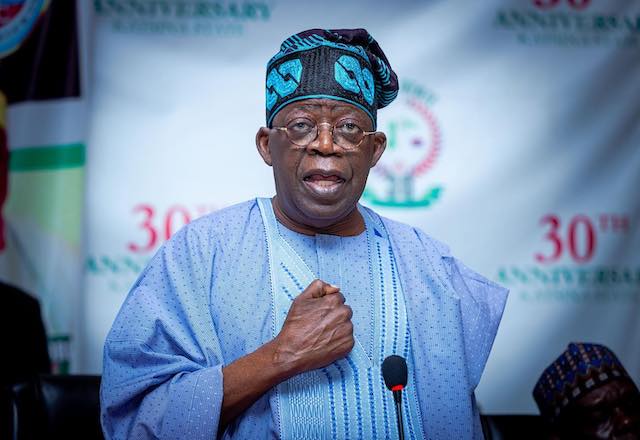

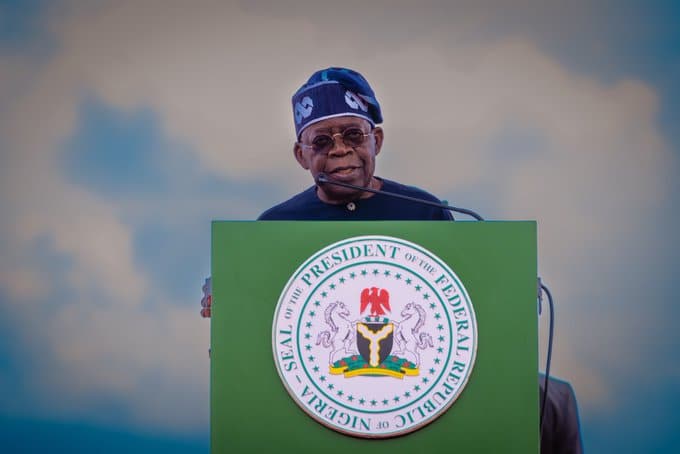
President Bola Ahmed Tinubu has expressed confidence that 2026 will usher Nigeria into a more robust phase of economic growth, pointing to easing inflation, stronger foreign reserves, rising investment inflows, and improved macroeconomic stability as evidence that his administration’s reforms are beginning to yield results.
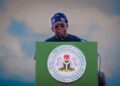
In his New Year address to Nigerians on Thursday, the President said the fiscal, monetary, and structural reforms implemented in 2025 helped stabilise the economy despite global economic headwinds. He noted that the country closed last year on a strong footing, with steady GDP growth, improved exchange rate stability, and declining inflation.
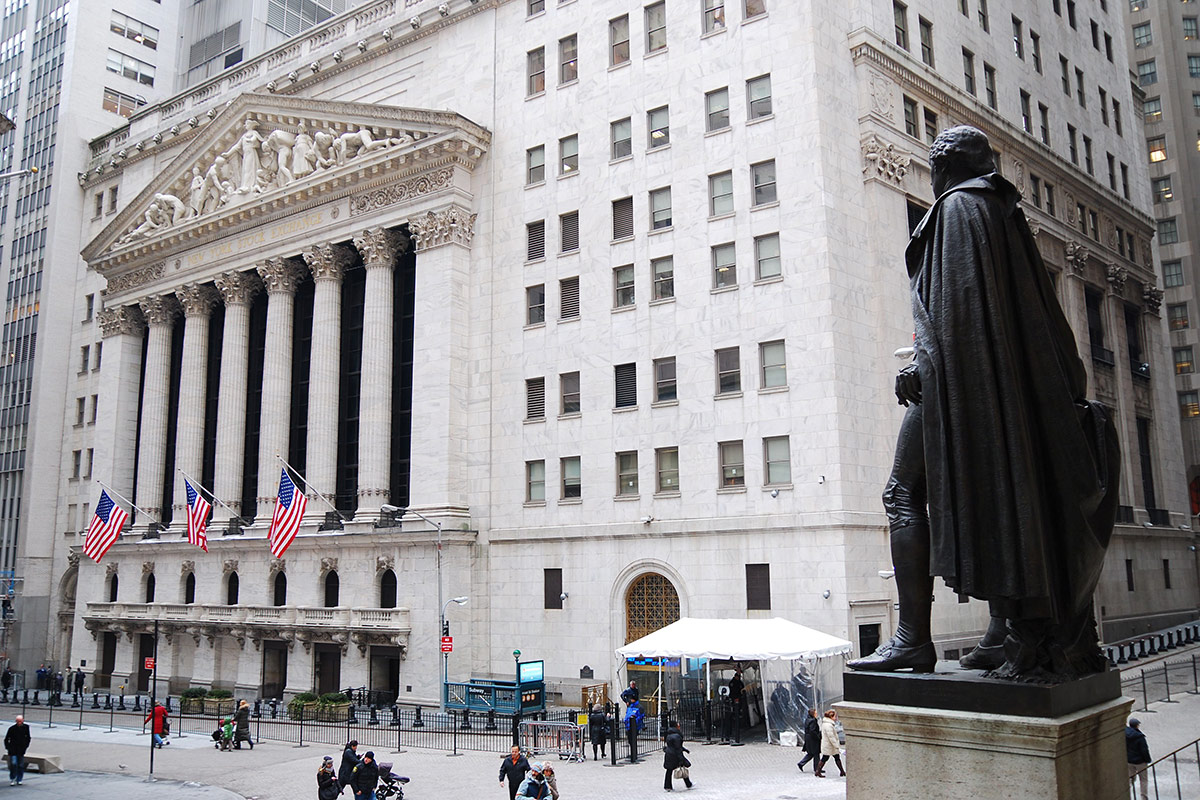
Tinubu disclosed that inflation fell below 15 per cent by the end of 2025, in line with government targets, while Nigeria maintained trade surpluses and recorded improved investor confidence. He added that the Nigerian Stock Exchange outperformed many of its peers, posting a 48.12 per cent gain, while foreign reserves stood at $45.4 billion as of December 29, 2025, providing a buffer against external shocks.
According to the President, foreign direct investment also rebounded significantly, rising to $720 million in the third quarter of 2025 from $90 million in the previous quarter, a development he attributed to renewed confidence in Nigeria’s economic direction, which has been acknowledged by global credit rating agencies.
Looking ahead, Tinubu said his administration would deepen tax reforms in 2026 to build a fairer and more competitive fiscal system. He explained that the new phase of tax reform would focus on harmonising taxes across all tiers of government, reducing the burden of multiple taxation on citizens and businesses, and raising revenue sustainably to fund infrastructure and social investments.
He also reaffirmed his commitment to fiscal discipline, noting that moderating inflation and interest rates would create more fiscal space for investment in infrastructure and human capital development.
On security, the President said economic progress must go hand in hand with national stability. He confirmed that Nigerian security forces, working with international partners including the United States, carried out decisive operations against terrorist targets in parts of the North-West in December 2025, with sustained offensives continuing across the North-West and North-East.
Tinubu stated that security agencies would deepen regional and global cooperation in 2026 to eliminate terrorism, banditry, and other criminal threats. He also reiterated his support for a decentralised policing system, complemented by regulated forest guards, as part of long-term solutions to Nigeria’s security challenges.
The President further announced plans to accelerate inclusive growth and social development initiatives, particularly through the Renewed Hope Ward Development Programme. The initiative, he said, aims to bring at least 10 million Nigerians into productive economic activity by empowering no fewer than 1,000 people in each of the country’s 8,809 wards.
He added that the government would continue investing in critical infrastructure, including roads, power, ports, railways, airports, healthcare, education, agriculture, and mining, stressing that all ongoing projects would proceed without interruption.
Calling for unity and shared responsibility, Tinubu urged Nigerians to support the reform agenda and contribute to nation-building in their respective capacities.
He concluded by wishing Nigerians a peaceful and prosperous New Year, expressing optimism that the reforms underway would translate into tangible improvements in living standards across the country in 2026.