
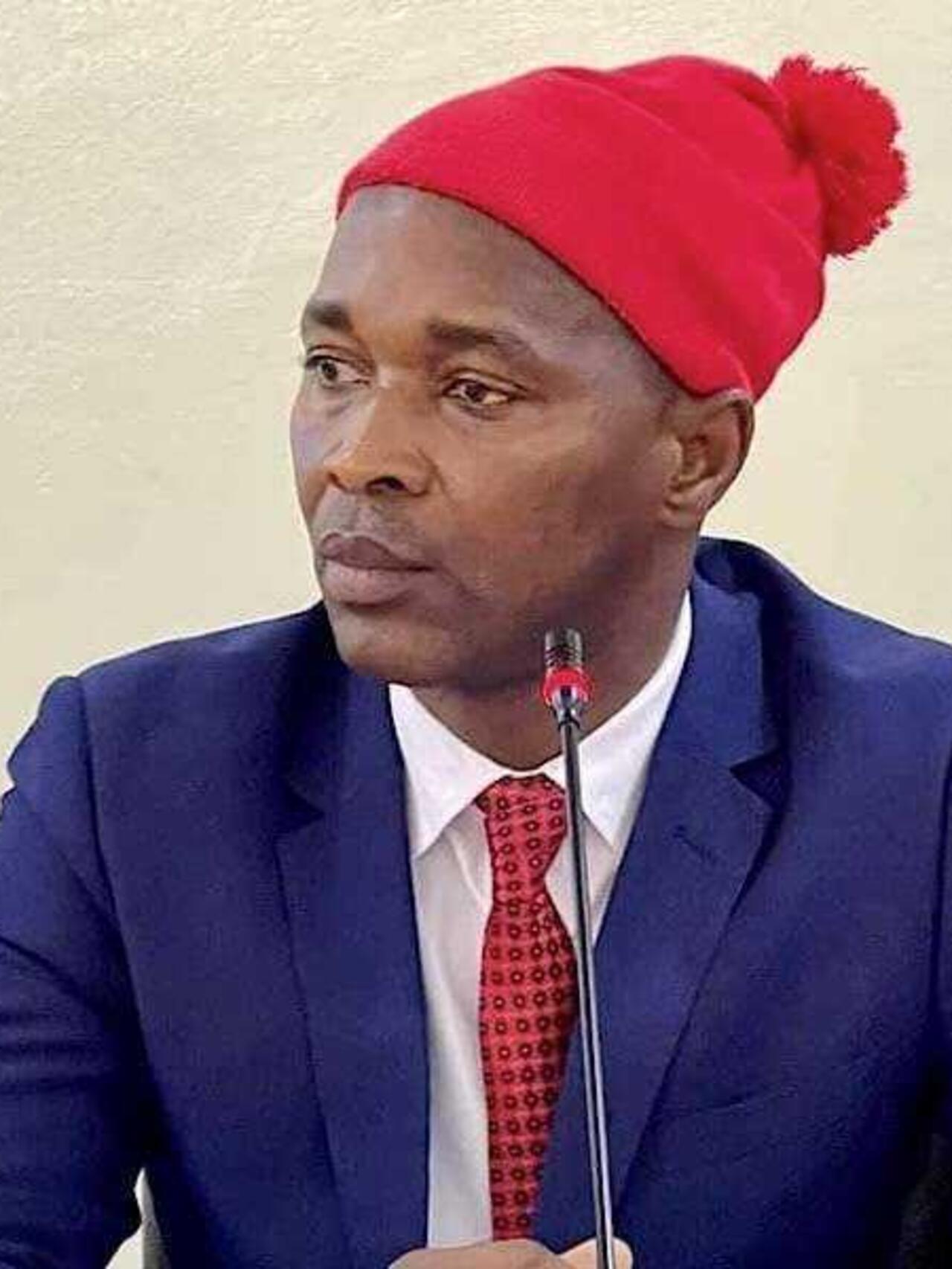
Nigeria has offered asylum to Guinea-Bissau’s opposition presidential candidate, Fernando Dias da Costa, following alleged threats to his life in the aftermath of last week’s military coup.
The Nigerian embassy in the Portuguese-speaking West African nation is currently providing shelter to Da Costa, who had contested the recent presidential election against incumbent President Umaro Embaló.
The coup occurred just days after the election, during which both candidates had controversially declared victory before official results were announced by the electoral commission.
In a letter dated November 30 and addressed to Omar Touray, President of the ECOWAS Commission, Nigeria’s Minister of Foreign Affairs, Yusuf Tuggar, confirmed that President Bola Ahmed Tinubu had authorized the protection of Da Costa within the Nigerian diplomatic mission.
“In this regard, it would be appreciated if you would kindly mandate the ECOWAS Stabilization Support Mission in Guinea-Bissau (ESSMGB) to provide him protection and security while in the premises of the Nigerian embassy,” Tuggar wrote.
Alkasim Abdulkadir, Special Assistant to Tuggar on Media and Communications Strategy, confirmed the authenticity of the letter to The Cable on Monday and defended the government’s decision.
“The decision of the Federal Government of Nigeria to grant asylum and provide protection to Mr. Fernando Dia Da Costa falls squarely within Nigeria’s sovereign responsibility and longstanding commitment to regional peace, stability, and democratic governance,” Abdulkadir stated.
He emphasized that Nigeria’s intervention was aimed at preventing further escalation of tensions in the troubled nation.
“Acting in the broader interest of de-escalation, Nigeria exercised its lawful discretion to prevent further deterioration of tensions and to promote social cohesion in Guinea-Bissau and the wider West African sub-region,” he explained.
According to Abdulkadir, the move aligns with human security principles, regional stability objectives, and ECOWAS protocols, reinforcing Nigeria’s position as a stabilizing force in West Africa.
Nigeria’s Ministry of Foreign Affairs has expressed serious concern over the unconstitutional change of government in Guinea-Bissau, calling for the immediate restoration of democratic order.
The ministry indicated it would collaborate with international partners to implement measures ensuring a swift return to constitutional governance.
Meanwhile, the Economic Community of West African States (ECOWAS) has responded to the crisis by convening an emergency virtual summit. Following deliberations, the regional bloc suspended Guinea-Bissau from the organization until constitutional order is restored.
The coup represents another setback for democracy in West Africa, a region that has witnessed multiple military takeovers in recent years, including in Mali, Burkina Faso, and Niger.
Nigeria’s decision to grant asylum to Da Costa underscores its commitment to protecting democratic processes and human rights in the sub-region, despite its own domestic security challenges.
The situation in Guinea-Bissau remains fluid, with international observers closely monitoring developments and calling for dialogue among all parties to resolve the political crisis peacefully.