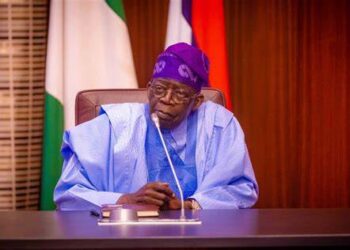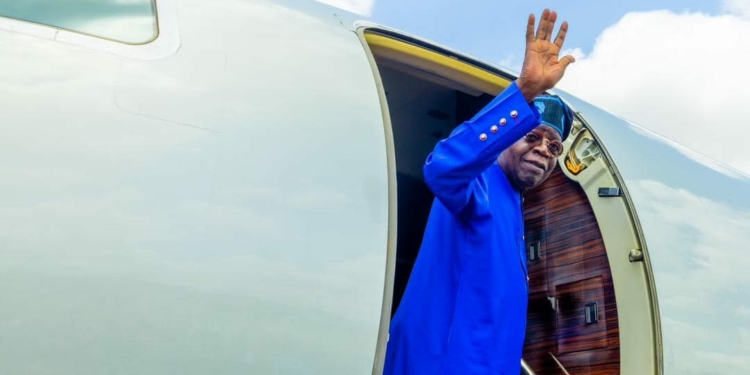

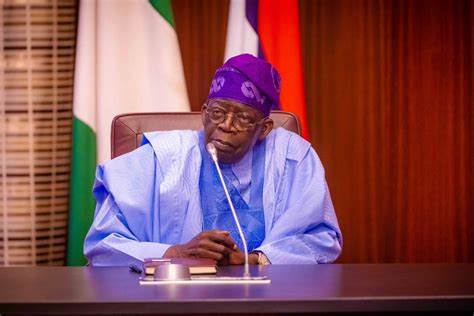
President Bola Tinubu has approved presidential pardons for Nigerian nationalist Herbert Macaulay, late Major-General Mamman Vatsa, and former lawmaker Farouk Lawan, alongside 14 others, following the endorsement of the National Council of State.
The decision was announced in Abuja on Thursday by the President’s Special Adviser on Information and Strategy, Bayo Onanuga, who stated that the move aims to decongest prisons and advance restorative justice.
Macaulay, widely regarded as the father of Nigerian nationalism, received a posthumous pardon decades after his 1913 conviction by colonial authorities, which had barred him from holding public office. He died in 1946, but the conviction had remained on record.
Similarly, Vatsa, a poet and member of the Supreme Military Council who was executed in 1986 under General Ibrahim Babangida’s regime for alleged coup plotting, was pardoned nearly four decades after his controversial death.
President Tinubu also pardoned Farouk Lawan, a former House of Representatives member imprisoned for bribery, as well as Anastasia Daniel Nwaobia, Hussaini Umar, and Ayinla Saadu Alanamu, who were described as having demonstrated “sufficient remorse” and readiness to reintegrate into society.
Additionally, Nweke Francis Chibueze, serving a life sentence for cocaine trafficking, and Nwogu Peters, who had served 12 years of a 17-year fraud sentence, were released under the clemency provisions.
Overall, the Council approved presidential mercy for 82 inmates, reduced the sentences of 65 others, and commuted seven death sentences to life imprisonment.
In a symbolic gesture, President Tinubu granted formal pardons to the Ogoni Nine, led by environmental activist Ken Saro-Wiwa, who were executed in 1995 during General Sani Abacha’s military regime.
Posthumous national honours were also conferred on the Ogoni Four—Albert Badey, Edward Kobani, Samuel Orage, and Theophilus Orage—in recognition of their activism in the Niger Delta struggle.
The clemency decisions followed the report of the Presidential Advisory Committee on the Prerogative of Mercy, chaired by Attorney-General of the Federation Lateef Fagbemi (SAN).
Other committee members included Akinlolu Olujinmi, Alkasum Abba, Nike Sidikat Ijaiya, Augustine Utsaha, and Onwusoro Maduka, who served as secretary, alongside representatives from the police, correctional service, National Human Rights Commission, Nigerian Supreme Council for Islamic Affairs, and the Christian Association of Nigeria.
The committee, inaugurated by Secretary to the Government of the Federation George Akume in January 2025, reviewed 294 applications and interviewed 175 inmates. Its recommendations were guided by criteria including old age, terminal illness, length of sentence, good conduct, and evidence of rehabilitation.
The presidential pardons mark a significant exercise of executive clemency under the Tinubu administration, addressing both historical injustices and contemporary cases of prisoners deemed suitable for mercy.