
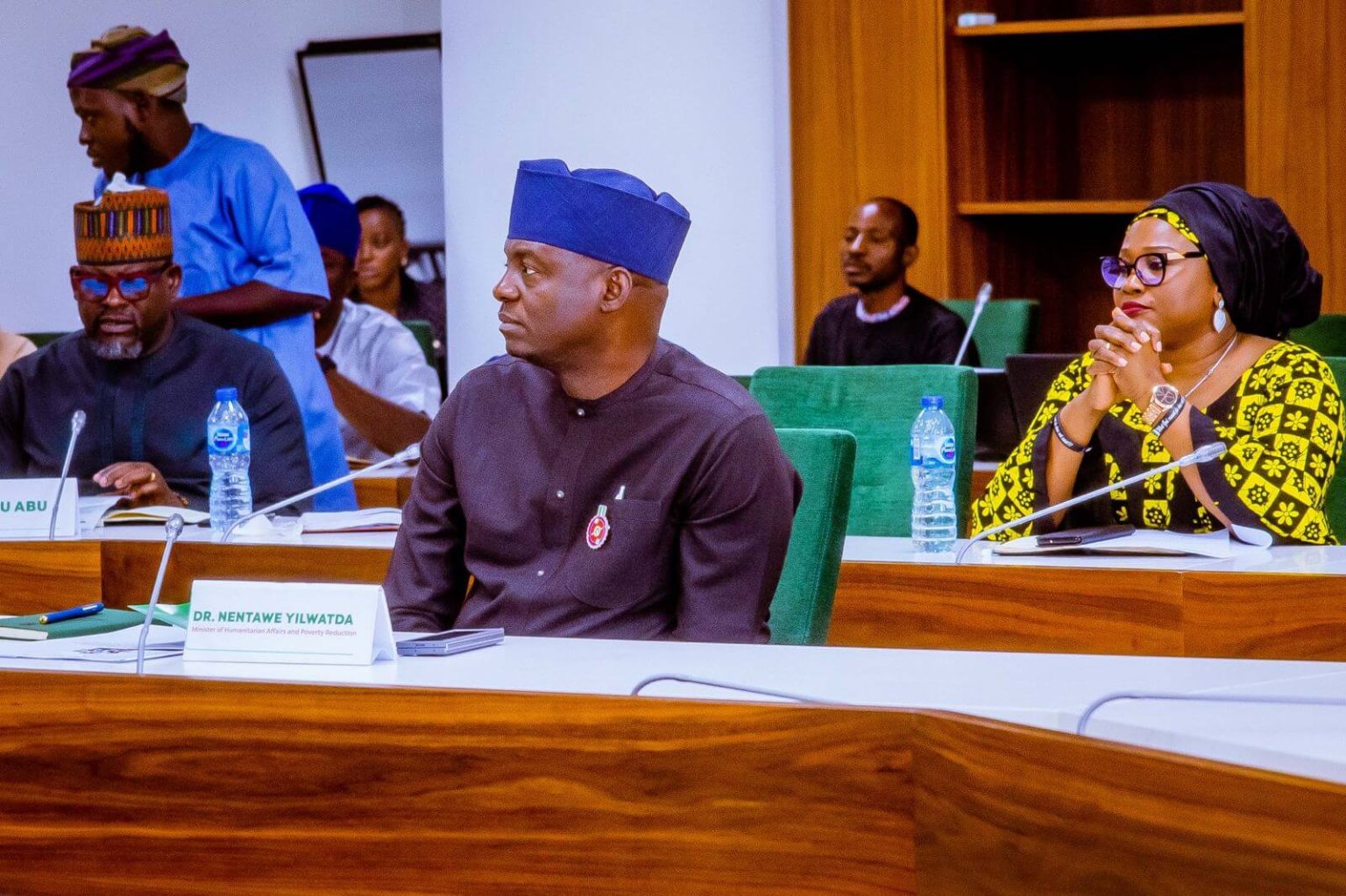
The National Chairman of the All Progressives Congress (APC), Professor Nentawe Yilwatda, has distanced himself from a controversial letter circulating on social media, which allegedly urged the Independent National Electoral Commission (INEC) to ensure President Bola Tinubu wins the 2027 presidential election.
Yilwatda described the document as fake, insisting that it was deliberately fabricated to tarnish his reputation, undermine the APC’s image and create distrust in Nigeria’s electoral process.
The clarification was contained in a statement issued by his Special Adviser on Media and Information Strategy, Abimbola Tooki.
According to the statement, the National Chairman had no involvement in the preparation or circulation of the disputed document.
It stated that the letter “did not emanate from Professor Yilwatda, was not authored by him, and has absolutely nothing to do with the National Chairman or his office.”
The APC also condemned the document, describing it as “a fraudulent document, a malicious fabrication and a reckless attempt to impugn the integrity of the National Chairman, the APC and the democratic process.”
The disputed letter, dated November 22, 2026, was addressed to the INEC Chairman and titled ‘Preparations for the 2027 Presidential Election and Ensuring the Victory of President Bola Ahmed Tinubu’.
The document allegedly suggested that the APC leadership expected the electoral commission to deploy its structures and operations to guarantee Tinubu’s victory in the forthcoming presidential election.
However, the ruling party dismissed the claims, pointing out that the letter did not carry Yilwatda’s signature.
It described the absence of a signature as a major indication that the document was deliberately created to mislead Nigerians and provoke unnecessary controversy.
“The absence of a signature is particularly telling. It is a glaring indication of the writer’s lack of credibility, accountability and seriousness, and reinforces the suspicion that the document was deliberately concocted to mislead the public, provoke needless controversy and damage the reputation of the Party’s National Chairman,” the statement said.
The party further maintained that it was inconceivable for its National Chairman to issue a communication of such importance without following established party procedures.
“It is inconceivable that a communication of such grave significance would be issued by the National Chairman outside the established channels and procedures of the Party,” it added.
The APC challenged those behind the circulation of the letter to identify themselves and provide verifiable evidence to support their claims.
“We condemn the author of this despicable letter in the strongest possible terms and challenge those responsible to come out of hiding, take ownership of their actions and provide verifiable evidence for their claims, rather than hiding behind anonymity to spread falsehoods and create distrust in democratic institutions,” the statement declared.
Reaffirming its commitment to democratic principles, the ruling party insisted that it supported credible, peaceful and transparent elections.
“Our Party believes in the sanctity of the ballot, the independence of INEC and the right of Nigerians to freely choose their leaders without intimidation, manipulation or interference,” the APC stated.
The party also referenced Tinubu’s repeated appeals to Nigerians at political rallies to obtain their Permanent Voter Cards (PVCs), arguing that such calls reflected the President’s belief in securing electoral victory through the people’s votes.
The APC subsequently urged Nigerians and media organisations to disregard the disputed letter, insisting that it would not allow fabricated documents to undermine its leadership or the country’s democratic institutions.
“The APC will not be intimidated by fabricated documents, nor will it be drawn into the sinister agenda of faceless individuals seeking to undermine our leadership and democratic institutions,” the statement added.
The controversy comes amid growing political activities and heightened attention on the preparations for the 2027 general elections.