
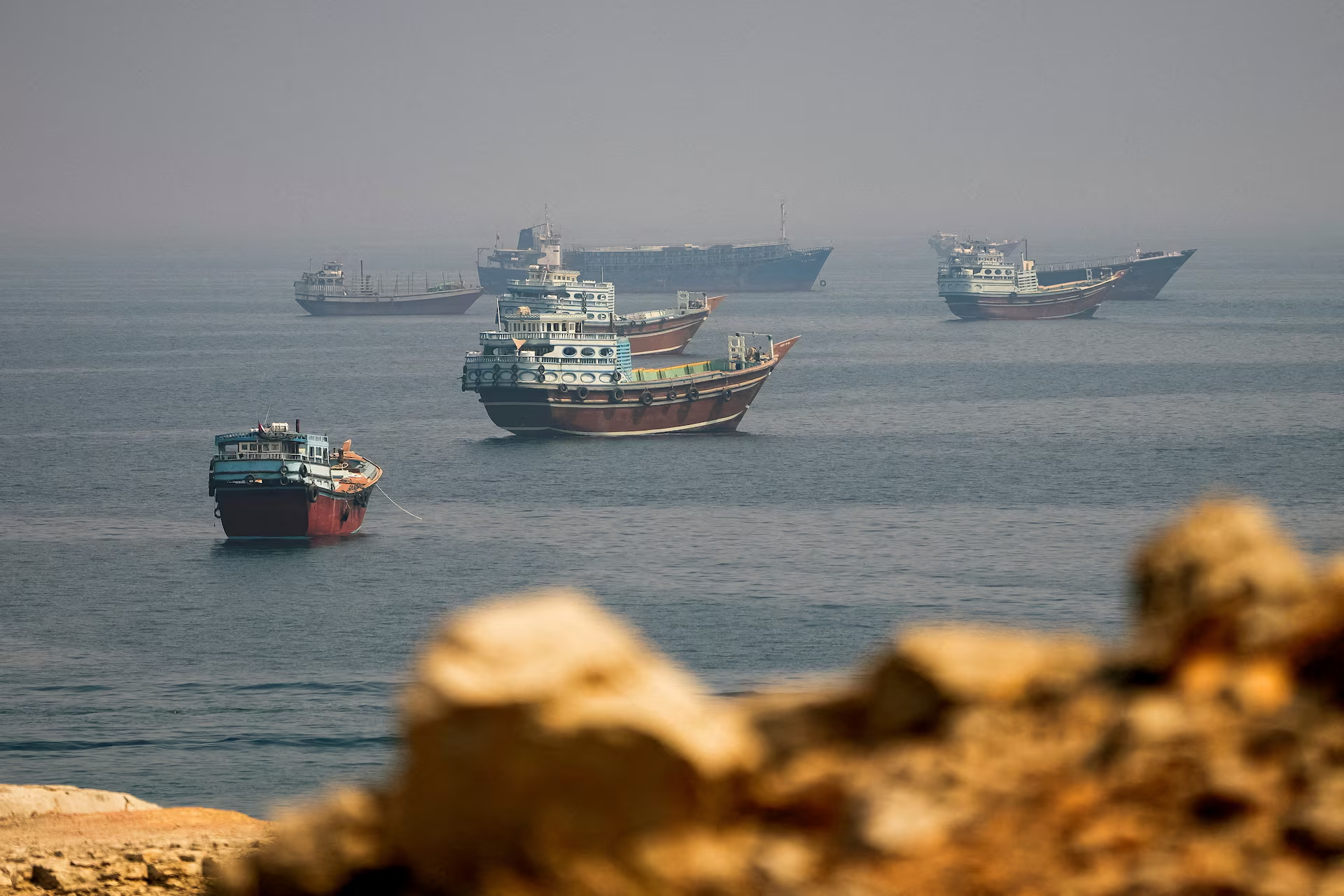
Iran has offered to reopen the strategically important Strait of Hormuz within 48 hours if the United States agrees to a series of conditions aimed at resolving the ongoing conflict between both countries.
The proposal comes amid renewed diplomatic efforts by several countries to prevent another round of military confrontation between Washington and Tehran, following months of hostilities.
However, US President Donald Trump has maintained a tough stance, warning that Iran could face fresh military attacks if tensions continue.
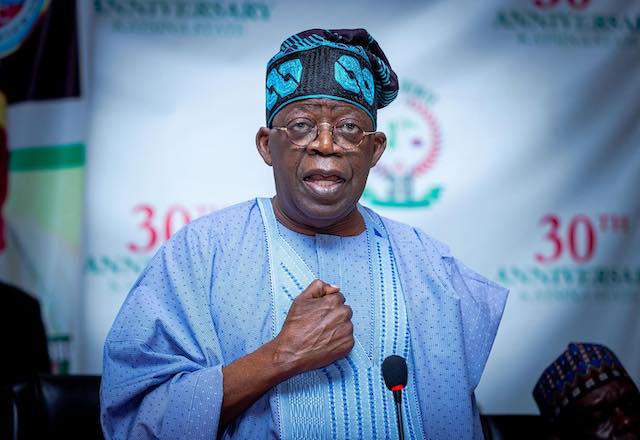
Iranian Foreign Ministry spokesman, Esmaeil Baqaei, disclosed the proposal on Monday, November 2, describing it as evidence of Tehran’s willingness to resolve the crisis through diplomatic engagement.
According to him, Iran is prepared to restore security in the Strait of Hormuz and return to negotiations if Washington meets its demands.
“The possibility of implementing this plan in two days is another indication of Iran’s good-faith approach,” Baqaei told journalists.
“We have stated that, if Iran’s demands are met, it would be possible to restore security to the Strait of Hormuz and resume the negotiating process within a short period.”
Iran has maintained restrictions on the Strait of Hormuz since the conflict began on February 28, disrupting international shipments of oil and gas and contributing to rising global energy prices.
The waterway is a major international shipping route, with approximately one-fifth of the world’s oil consumption passing through it.
Baqaei said Tehran and Washington were exchanging messages through diplomatic intermediaries, but emphasised that any breakthrough would depend on the US accepting Iran’s conditions.
Iran had previously presented a seven-day proposal in September, demanding an end to hostilities across all fronts, the release of its frozen assets, the removal of oil sanctions and an end to the American blockade of Iranian ports.
“Only then can we discuss the subsequent stages,” Baqaei said.
Trump Threatens Fresh Military Action
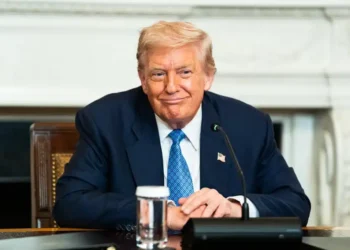
Despite Iran’s latest proposal, Trump has warned that the United States could launch another major military operation against Tehran.
Speaking at a campaign rally in Iowa ahead of the US midterm elections, the American president said he had so far refrained from completely defeating Iran because he wanted to avoid further loss of life.
“The only reason why I’m not finished with Iran is I want to be nice. I want to try and save all those lives if I can… But at some point we’re going to have to give them the hammer,” Trump told supporters.
His warning followed an earlier statement on Saturday that the United States still had one or two targets to address in Iran, including Pickaxe Mountain in central Iran, which is suspected of being connected to nuclear activities.
Iran has rejected claims that the location houses a nuclear facility.
The Iranian government has also warned that any fresh military action by Washington or Israel would attract an immediate response.
Baqaei said, “Any act of aggression against Iran, any military attack against Iran, by whatever means, will be met with a powerful, immediate and comprehensive response from us.”
Countries Intensify Diplomatic Efforts
Meanwhile, several countries are stepping up diplomatic engagements to prevent the conflict from escalating.
Officials from Pakistan, Qatar, Saudi Arabia and Turkey have reportedly held discussions with Iranian authorities in recent days, while US Vice President JD Vance has also communicated with Tehran through a letter.
Oman has equally joined the diplomatic initiative, with its ruler, Sultan Haitham bin Tariq, discussing the crisis with Chinese President Xi Jinping during a visit to Beijing on Monday.
In a statement, Oman’s Foreign Ministry said both leaders called on Washington and Tehran to pursue a diplomatic solution and avoid further military confrontation.
“The two sides called for resolving disputes through political and diplomatic means, urging the United States and Iran to pursue a peaceful path, achieve a ceasefire (and) prevent war entirely,” the statement said.
China has also called for restraint, urging all parties to prioritise negotiations over military action.
Chinese Foreign Minister Wang Yi made the appeal during a meeting with Ali Bagheri Kani, deputy secretary of Iran’s Supreme National Security Council.
“All parties should… in a spirit of reason and pragmatism, focus on a political solution rather than once again resorting to armed conflict,” Wang said.
However, Bagheri maintained that Iran would not compromise on issues concerning its sovereignty, territorial integrity and national security.
Iran Lists Conditions For Ending Conflict
Iranian Foreign Minister Abbas Araghchi had earlier outlined additional conditions for resolving the crisis during an interview with Al Jazeera released on Sunday.
Araghchi said the United States must accept a new shipping arrangement jointly agreed upon by Iran and Oman for vessels navigating the Strait of Hormuz.
He also called for the removal of recently imposed sanctions against Tehran and a reduction in the number of American troops stationed across the region.
Washington has introduced additional sanctions against Iran since August as part of what it described as a strategy of economic pressure.
Iran, however, warned on Sunday that another confrontation with the United States could last longer than the previous round of fighting.
The continued exchange of threats and diplomatic proposals comes as the disruption of the Strait of Hormuz raises concerns over global energy supplies and the cost of living.
The crisis has also become a political issue in the United States ahead of the midterm elections, with rising fuel and consumer prices placing pressure on Trump’s administration.
Democrats are hoping to secure at least partial control of Congress in the elections, a development that could create additional political challenges for the president as diplomatic efforts to resolve the conflict continue.