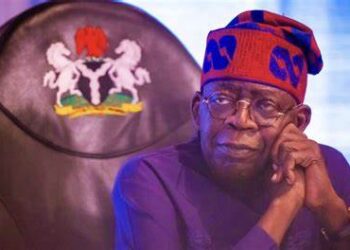

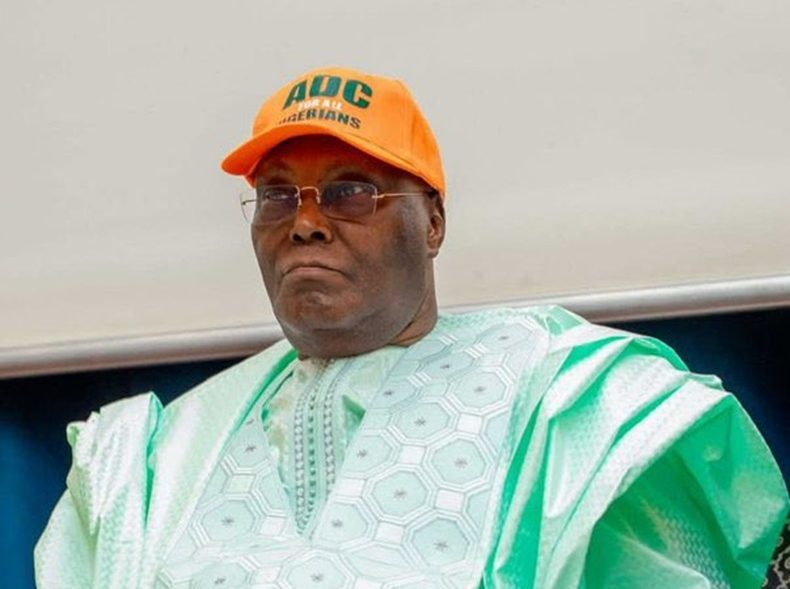
The presidential candidate of the African Democratic Congress (ADC), Atiku Abubakar, has blamed the administration of President Bola Tinubu for Uber’s decision to end its operations in Nigeria.
Atiku, through his spokesperson, Phrank Shaibu, made the remarks in a statement shared on X while reacting to the ride-hailing company’s departure from the Nigerian market.
Shaibu argued that the government’s economic policies had made it increasingly difficult for both passengers and drivers to sustain their businesses and services.
According to him, Uber did not leave because Nigerians no longer needed transportation services, but because the prevailing economic conditions had affected the ability of passengers to pay and drivers to make a living.
“Uber did not leave because Nigerians stopped needing rides. It left because, under your economy, passengers could no longer afford the fares and drivers could no longer earn enough to feed their families,” Shaibu said.
He pointed to rising fuel prices, increased vehicle maintenance costs, car loans, the depreciation of the naira and additional taxes and licence fees as some of the factors affecting the sector.
“Fuel went up. Spare parts, car loans and repairs went up. The naira fell. Then came more taxes and licence fees from your Taiwo Oyedele,” he stated.
Shaibu further accused the government of imposing what he described as a “stealth tax on movement,” arguing that the rising cost of transportation had placed additional pressure on Nigerians.
“Passengers pay more, drivers earn less, and the platforms struggle to survive,” he added.
According to him, Uber was caught between increasing fares beyond what many Nigerians could afford and keeping fares low while drivers continued to lose money.
“Uber could not increase fares because Nigerians were already struggling. It could not keep fares low because drivers were losing money,” Shaibu said.
The ADC spokesman said the company’s departure after 12 years would have consequences for workers, drivers and their families.
“After 12 years, it packed its bags, leaving behind lost jobs, lost incomes and more worried families,” he said.
Shaibu also criticised the Federal Government’s description of its economic policies as reforms, saying policies that result in job losses and business closures should not be celebrated.
“Any policy that empties pockets, kills jobs and drives businesses out of Nigeria is organised hardship and wickedness raised to an ontological level,” he said.
He concluded by contrasting Atiku’s economic plans with the Tinubu administration, saying, “You @officialABAT made life expensive. Atiku will make Nigeria affordable again.”
Uber officially ended its 12-year operations in Nigeria on September 2, 2026.