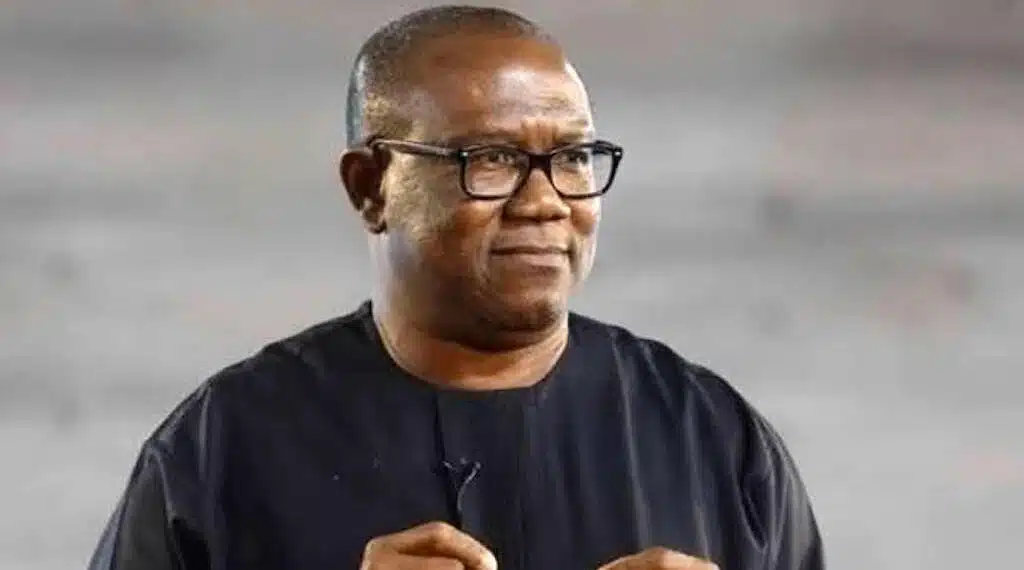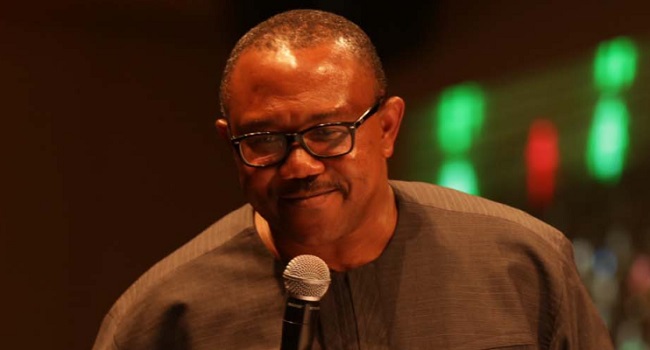

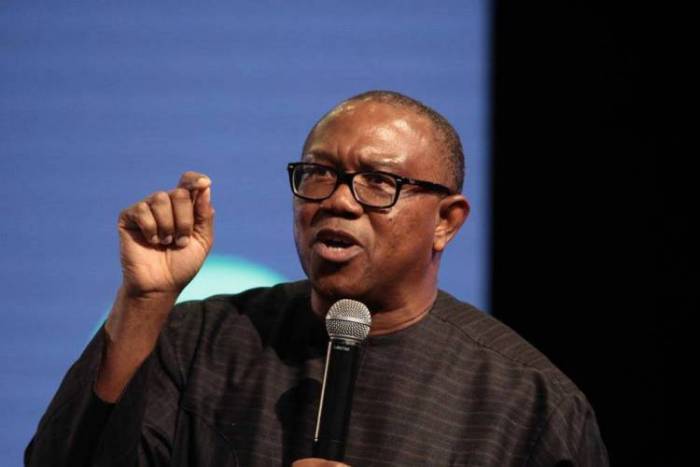
Nigeria Democratic Congress (NDC) presidential candidate, Peter Obi, has attributed the continued manipulation of elections in Nigeria to the failure of citizens to actively defend their votes during the electoral process.
Speaking during a recent engagement in Washington, D.C., the former Anambra State governor argued that electoral malpractice thrives because many voters abandon polling units immediately after casting their ballots, rather than remaining to ensure that votes are properly counted and recorded.
Obi stressed that while political leaders and candidates can take steps to promote electoral transparency, the ultimate responsibility for safeguarding the integrity of elections lies with the electorate.
According to him, Nigerians must be willing to monitor the voting and counting process if they truly want their votes to determine election outcomes.
“Elections are rigged in Nigeria because Nigerians want it to be rigged,” Obi said.
He added, “I will do whatever is possible to protect votes come 2027 election, but it is now left for Nigerians to decide if their votes will count.”
The former governor maintained that voters have significant power to influence the credibility of elections by remaining vigilant at polling centres after casting their votes.
“Because if you vote and stay in your polling unit and insist your votes must count, it will be counted,” he stated.
Obi also criticized what he described as a tendency among some citizens to disengage from the electoral process after voting, only to later seek divine intervention regarding election outcomes.
“But some Nigerians would rather vote and go home, then hours later go to night vigil to start praying, because they think they are the only ones God created,” he said.
He further argued that Nigeria’s longstanding challenges are rooted in poor leadership, insisting that citizens must play a more active role in ensuring credible elections.
“The problem of Nigeria is leadership,” Obi concluded.
The NDC presidential hopeful’s remarks come as political activities ahead of the 2027 general elections continue to gather momentum, with increasing discussions around electoral reforms, voter participation, and the need to strengthen democratic institutions across the country.