

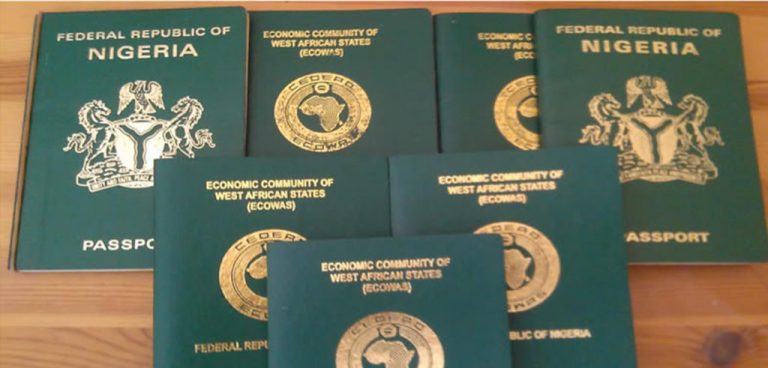
Nigeria has ordered the withdrawal and deactivation of passports held by individuals who have formally renounced their citizenship, in a move aimed at tightening identity control and safeguarding the integrity of its travel documents.
The directive was issued by the Minister of Interior, Olubunmi Tunji-Ojo, who clarified that it applies strictly to persons whose renunciation requests have been duly approved by the President. He noted that some former citizens still retain Nigerian passports despite having legally relinquished their nationality, a situation he described as inconsistent with existing laws.
In a statement released through his media adviser, Alao Babatunde, the minister anchored the decision on Section 29 of the Constitution of the Federal Republic of Nigeria 1999, which outlines the legal framework for renouncing citizenship. The provision states that once a declaration of renunciation is registered by the President, the individual ceases to be a Nigerian citizen.
Tunji-Ojo stressed that the loss of citizenship automatically invalidates the right to possess any Nigerian sovereign document, including passports. According to him, “once a person ceases to be a citizen of Nigeria, he can no longer carry any sovereign document of Nigeria.”
The minister added that the latest action forms part of broader reforms in the country’s passport and visa systems, designed to strengthen border security, curb identity fraud, and ensure that only eligible individuals have access to Nigerian travel documents. He reiterated the government’s commitment to improving identity management while facilitating legitimate travel and preventing misuse of official documents.