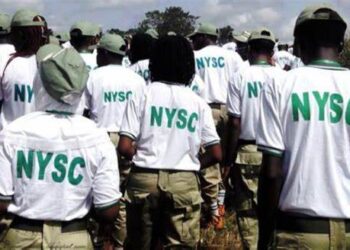


The Imo State Police Command has denied having any information about ransom payment for the release of 20 prospective National Youth Service Corps (NYSC) members and another traveller who were abducted in the state.
The Commissioner of Police, Audu Bosso, said the victims regained their freedom following sustained pressure mounted on the kidnappers by security agencies during a search-and-rescue operation.
Bosso, who spoke with Channels Television on Thursday, said security operatives intensified efforts and combed the forest where the victims were believed to have been held, forcing the abductors to release them.
According to him, the rescued victims were subsequently taken into the care of the Department of State Services (DSS) for further attention.
The prospective corps members and the other victim were kidnapped on October 1 along the Owerri-Onitsha Road while travelling from Ibadan, Oyo State, to NYSC orientation camps in Abia and Akwa Ibom states.
However, the commissioner’s position contrasts with accounts from some of the victims’ families, who claimed they paid millions of naira to secure their relatives’ freedom.
Some relatives told News Central Television that they were forced to borrow money and seek financial assistance after the abductors demanded ransom.
The families reportedly paid varying amounts, with some said to have paid more than ₦3 million, while others allegedly paid as much as ₦6 million.
A mother whose child was among the abducted prospective corps members said she raised ₦3 million and arranged for the money to be delivered in Imo State amid fears over her child’s safety.
“I paid as much as ₦3 million as ransom while I was hoping that nothing happened to my child. I ran helter-skelter to raise the money,” she said.
She added, “I eventually got the money and sent someone to Imo State to deliver the ransom.”
The conflicting accounts have raised questions about what led to the victims’ release, as the police maintained that sustained security operations forced the kidnappers to give up their captives, while some families insisted that ransom payments were made.