
The Federal Government has confirmed it has made its first drawdown of $1.5 billion from a $5 billion financing facility secured with First Abu Dhabi Bank, with the Finance Minister describing the arrangement as a carefully structured mechanism designed to reduce the cost of borrowing while funding infrastructure and budget priorities.
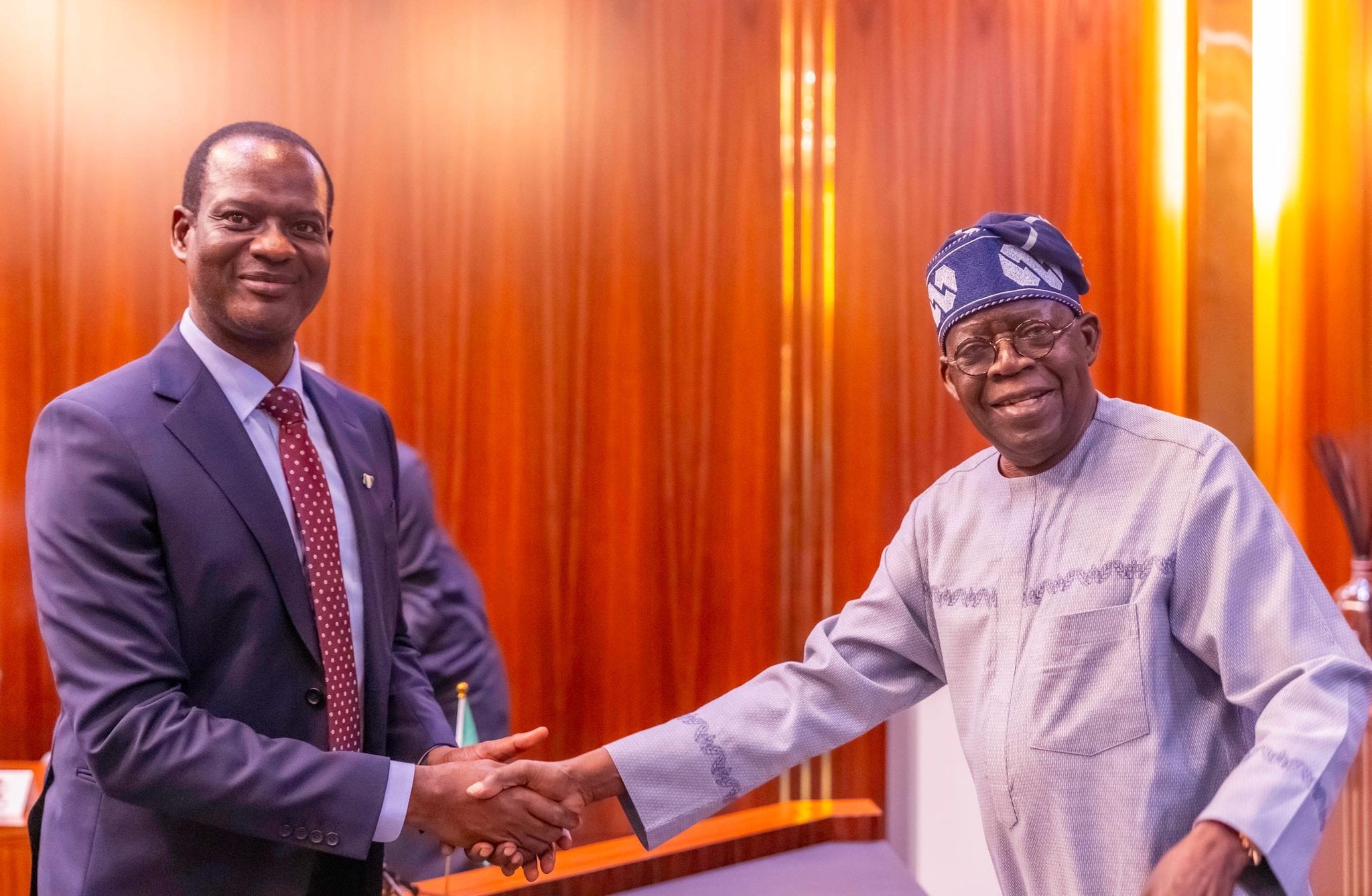
Minister of Finance and Coordinating Minister of the Economy, Taiwo Oyedele, disclosed the development to journalists after Monday’s Federal Executive Council meeting in Abuja, providing the first official government confirmation of reports that had emerged the previous week when Bloomberg reported Nigeria had accessed approximately $1.5 billion through a Total Return Swap with the Abu Dhabi-based lender.
Oyedele said the facility, which had previously received National Assembly approval, was earmarked for three broad purposes. “The approval for that loan went to the National Assembly, so everybody is aware of it. It’s for refinancing of expensive debts, financing of infrastructure, as well as budgets,” he said.
The minister was keen to frame the drawdown as routine rather than remarkable, signalling that the government had no intention of issuing public statements each time funds were accessed from the facility. “We don’t want to start making press releases each time we do a drawdown. It is not different from any other loan,” he said.
Central to Oyedele’s defence of the arrangement was its phased structure, which he argued gives Nigeria a clear financial advantage over conventional lump-sum borrowing. Rather than drawing the full $5 billion at once and immediately incurring interest on the entire sum, the government will access funds in tranches as needed — paying interest only on what has been drawn.
“The loan is meant to be a drawdown in tranches, and one of the advantages of that is, if you need $5 billion and you take everything at once, you start paying interest, even though you’re not spending all of it now,” Oyedele explained. “So, this has been structured in a way that makes us even more efficient in the cost of borrowing by taking what we need part time.”
The minister said the approach fits squarely within the government’s broader debt management strategy, which has placed reducing financing costs at its core while ensuring that sufficient capital is available for priority projects and ongoing budget execution.
The $1.5 billion initial drawdown represents 30 percent of the total facility, with the remaining $3.5 billion available to be accessed in subsequent tranches as the government’s funding requirements evolve.