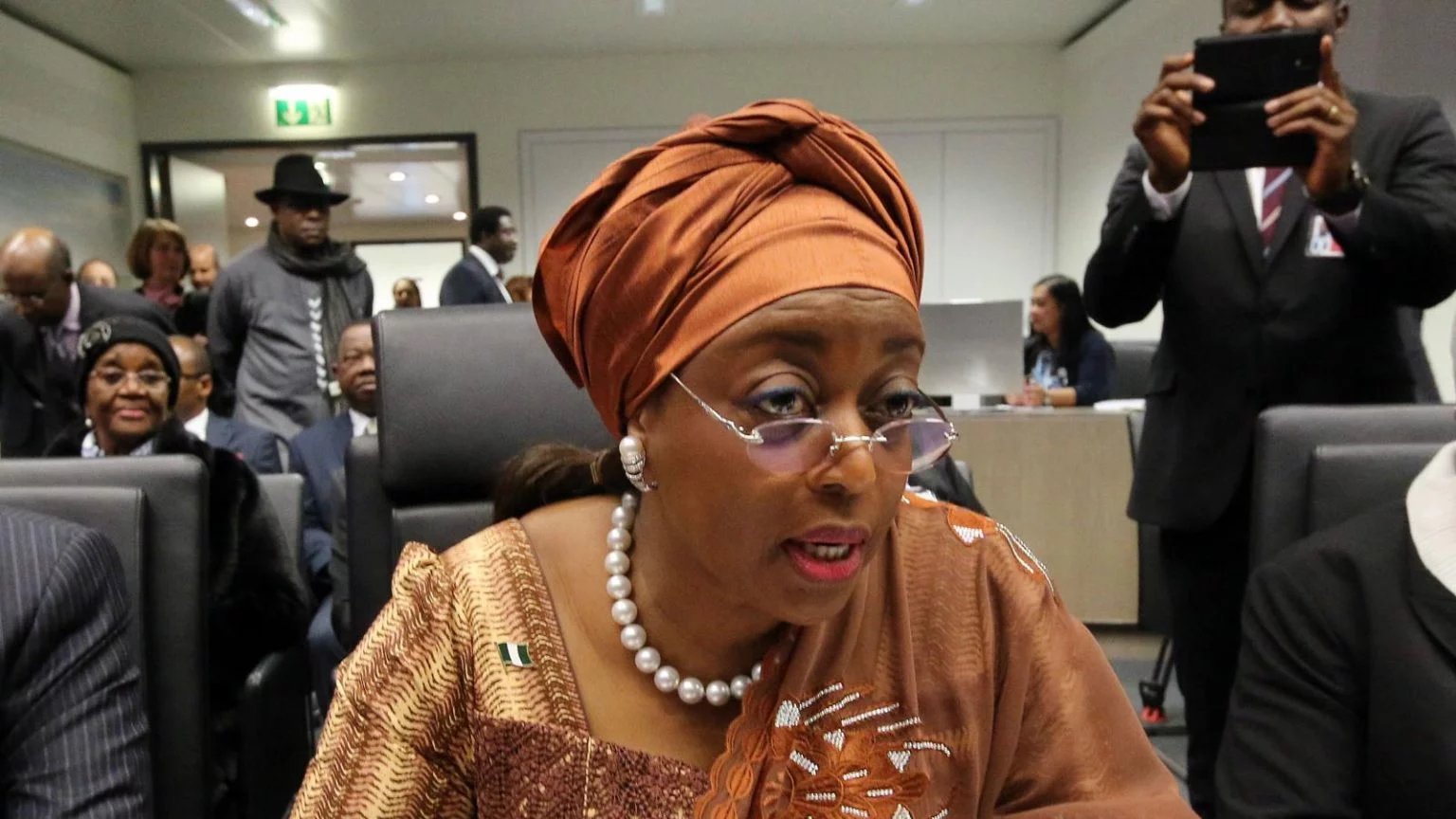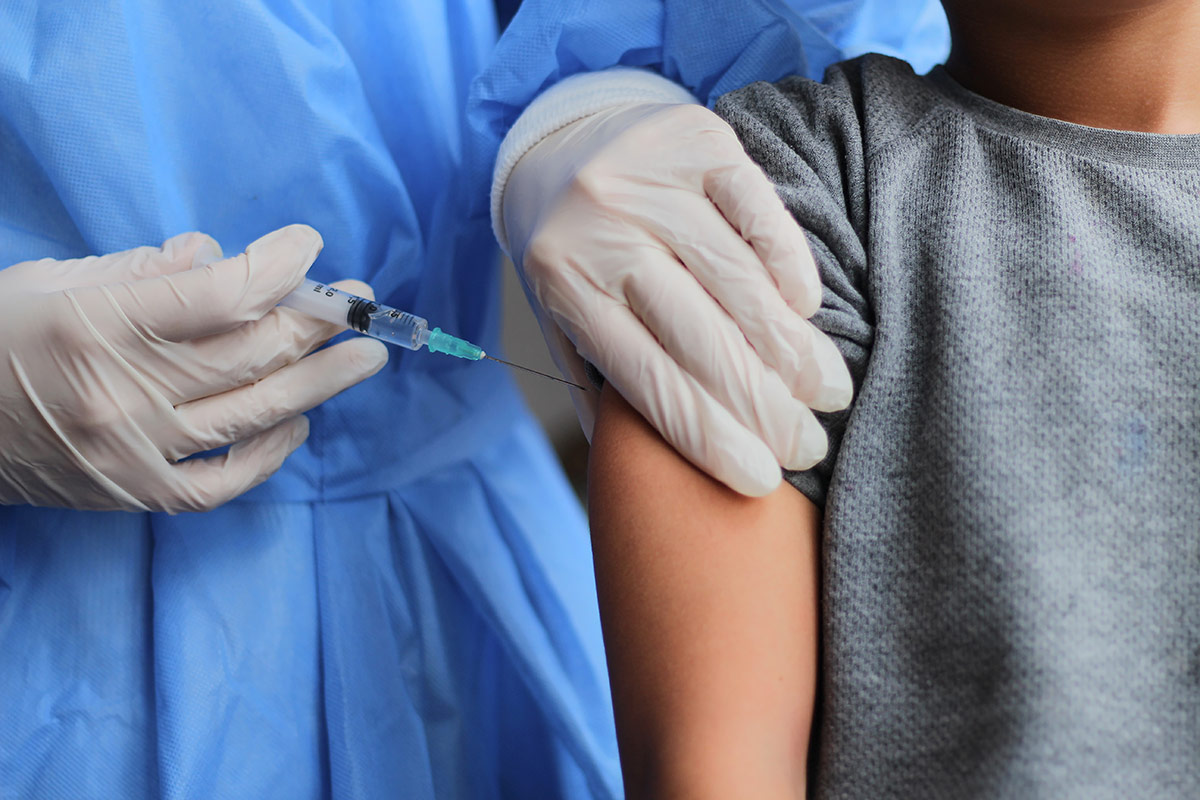


The tragic death of the 21-month-old son of award-winning Nigerian author, Chimamanda Ngozi Adichie, has renewed national debate over alleged medical negligence and patient safety failures within Nigeria’s healthcare system.
Adichie has alleged that lapses in care during a routine medical procedure contributed to the death of her son, Nkanu Nnamdi, who died on January 7, 2026, following an MRI scan and central line insertion at a private hospital in Lagos.
In a detailed statement shared with close family and later confirmed by her media team, the author said her son was stable before the procedure and would likely still be alive if proper medical protocols had been followed.
“He would be alive today if not for an incident at the hospital,” Adichie stated, describing the events of January 6 as a devastating turning point.
According to her account, the family had travelled to Lagos for the Christmas holidays when the toddler developed what initially appeared to be a mild illness but later progressed into a serious infection. He was admitted to a hospital and preparations were made for his medical evacuation to the United States, where a specialist team was reportedly on standby.
“The plan was for him to be flown out the next day with travelling doctors. A team at Johns Hopkins was ready to receive him,” she said.
Adichie explained that doctors abroad requested further tests, including an MRI scan, prompting a referral to another medical facility believed to be well-equipped to handle the procedures.
She alleged that during the MRI, her son was sedated with propofol and later became unresponsive due to what she described as an overdose.
“I was told that Nkanu had been given too much propofol, became unresponsive, and had to be resuscitated,” she said.
Moments later, she said, her son was intubated, placed on a ventilator, and admitted into intensive care, where his condition deteriorated rapidly.
“The next thing I heard was seizures. Then cardiac arrest. All these had never happened before,” Adichie recounted. “Some hours later, Nkanu was gone.”
In her statement, the author accused the attending anesthesiologist of gross negligence, alleging that her son was not properly monitored after sedation.
“It turns out that Nkanu was never monitored after being given too much propofol,” she said. “How can you sedate a sick child and neglect to monitor him?”
She further alleged that established medical protocols were ignored, describing the conduct of the anesthesiologist as “fatally casual and careless.”
“The anesthesiologist was criminally negligent. No proper protocol was followed,” Adichie stated.
She also claimed that her family later learned of previous similar incidents allegedly involving the same medical practitioner, raising concerns about accountability and oversight in private healthcare institutions.
“We have now heard about two previous cases of this same anesthesiologist overdosing children,” she said. “Why was he allowed to keep working?”
Health advocates say the incident has brought renewed attention to long-standing concerns about patient safety, regulation, and enforcement within Nigeria’s healthcare sector. They argue that preventable medical errors continue to occur due to weak supervision and inconsistent adherence to clinical standards.
Legal experts note that while medical malpractice laws exist, many families struggle to pursue justice due to the complexity of investigations and the emotional toll involved.
For Adichie, the loss remains unbearable. “I will never survive the loss of my child,” she said, adding that her decision to speak out was driven by a desire to protect other families.
“This must never happen to another child,” she said.
As public calls for accountability grow, many Nigerians say the tragedy should prompt a broader review of healthcare practices to ensure that negligence—where it occurs—is addressed swiftly and transparently.