
The Federal Government has moved to calm public anxiety over Nigeria’s new tax regime, assuring citizens that the reforms scheduled to take effect from January 1, 2026, will not involve automatic deductions from personal bank accounts.
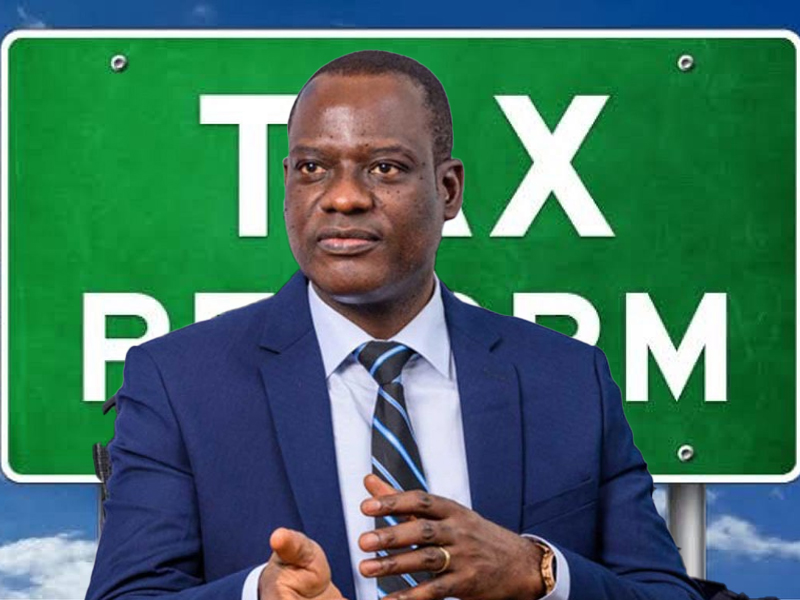
The assurance was given by the Chairman of the Presidential Committee on Fiscal Policy and Tax Reforms, Taiwo Oyedele, during an appearance on Channels Television’s end-of-year programme, 2025 In Retrospect: Charting a Pathway to 2026, on Tuesday.
Oyedele dismissed widespread claims that government agencies would begin monitoring or debiting individual bank accounts once the new tax laws come into force. He explained that the reforms are built around a self-declaration system, under which taxpayers voluntarily disclose their income at the end of the tax year.
“There is no plan for the government to debit anybody’s bank account or monitor personal transactions,” Oyedele said. “Regardless of the amount you transfer during the year, you simply declare your income at year-end and pay the appropriate tax.”
According to him, the framework allows individuals to clearly state what constitutes their taxable income, while those eligible for exemptions can also declare their status without difficulty. He added that the process has been designed to be simple, transparent and user-friendly.
Oyedele noted that a key objective of the reforms is to protect low-income earners and small business owners, stressing that the new system would replace what he described as a regressive tax structure with a more progressive one.
“If you are a small business owner, a sole proprietor or someone trying to make ends meet, the system will no longer place a heavier burden on you. We have deliberately made it fairer and more progressive,” he said.
The clarification comes amid growing public debate over the impending implementation of the tax laws.
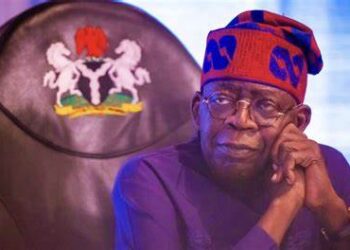
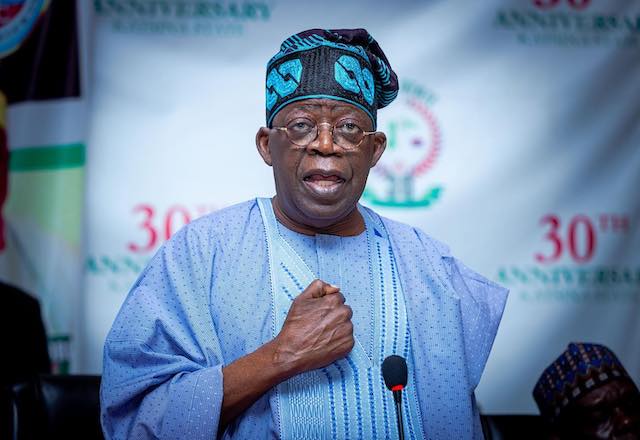
Earlier, President Bola Ahmed Tinubu reaffirmed that the Federal Government would proceed with the implementation of the new tax laws, including those signed into law on June 26, 2025, as well as others scheduled to commence on January 1, 2026.
The President described the reforms as a historic opportunity to create a fair, competitive and resilient fiscal framework for the country. He emphasised that the laws were not designed to increase the tax burden on Nigerians, but to drive structural reforms, improve harmonisation, safeguard citizens’ dignity and strengthen trust between the government and the public.
Tinubu also urged stakeholders to support the rollout of the reforms, noting that the process had entered a critical delivery phase and that no major issues had been identified to warrant a delay or suspension of the tax agenda.