
The presidency has dismissed allegations that newly enacted tax reform laws were secretly altered, insisting that implementation will commence as scheduled in January 2026 despite mounting opposition from political figures and civil society organizations.
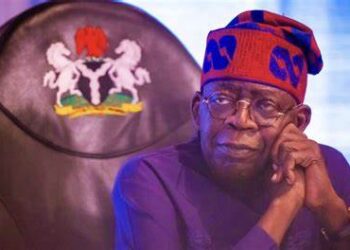
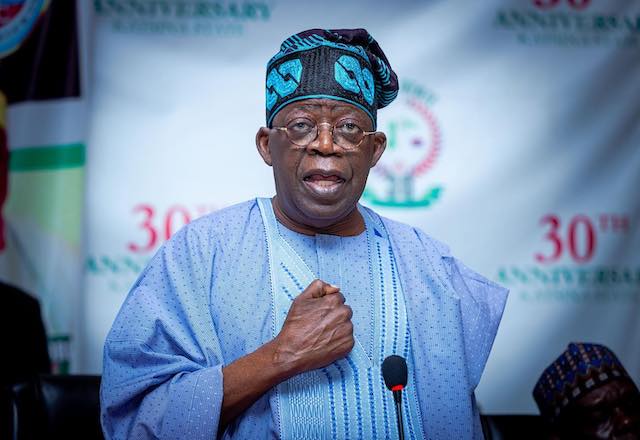
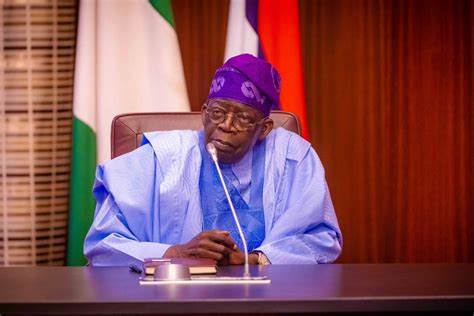
The tax reform laws, which faced significant resistance from federal lawmakers particularly from northern Nigeria before their passage, are set to take effect on January 1, 2026. President Bola Tinubu signed the four tax reform bills into law in what the government has described as the most comprehensive overhaul of the country’s tax system in decades.
According to the Federal Government, the reforms are designed to simplify tax compliance, expand the tax base, eliminate overlapping taxes and modernize revenue collection across federal, state and local governments.
However, former Vice President Atiku Abubakar, 2023 Labour Party presidential candidate Peter Obi, and several civil society organizations have called for the suspension of the laws’ implementation following alleged discrepancies between the versions passed by the National Assembly and those gazetted and released to the public.
The controversy erupted after House of Representatives member Abdussamad Dasuki raised concerns during plenary, alleging that the gazetted tax laws did not reflect what lawmakers debated, voted on and passed. The Peoples Democratic Party lawmaker warned that if not addressed, the alleged alterations could render the new tax laws legally vulnerable due to lack of proper legislative approval.
Dasuki urged the Speaker to ensure that all relevant documents, including harmonized versions, votes and proceedings of both chambers, be brought before the Committee of the Whole for scrutiny by all members.
Responding to the allegations, Senior Special Assistant to the President on Media and Publicity, Temitope Ajayi, insisted in an interview with Punch that there was no evidence the laws had been altered. He characterized the criticisms as “opposition noise” aimed at creating controversy around government policy.
“Opposition elements can say whatever they want, even when it is very obvious to every rational person that all they seek to do every time is to pollute the waters and create a toxic environment around policy issues,” Ajayi stated.
The presidential aide argued that allegations of document alteration had not been established by any constituted authority and emphasized that the tax laws were enacted through due process. He confirmed that the laws would take full effect from January 1, 2026, with relevant government agencies already mobilized to ensure smooth implementation.
Ajayi stressed that the implementation committee had been working for the past six months and would not be distracted by attempts to undermine the policy, asserting that no amount of opposition pushback would halt the January rollout.
He noted that the House of Representatives has already established a committee to examine the allegations, led by the Chairman of the House Committee on Finance, James Faleke. According to Ajayi, the appropriate course of action is to allow the committee to carry out its assignment and present its findings.
The tax reform laws represent a significant policy initiative of the Tinubu administration, aimed at broadening Nigeria’s revenue base and reducing dependence on oil revenues. The reforms have been presented as crucial to improving the country’s fiscal position and funding development projects.
However, the controversy over alleged alterations has cast a shadow over the reforms, with opposition figures and some civil society groups questioning the transparency of the legislative process and calling for greater scrutiny before implementation begins.
As the January 1 implementation date approaches, attention remains focused on the findings of the House committee investigating the allegations and whether any adjustments will be made to address concerns raised by lawmakers and other stakeholders.