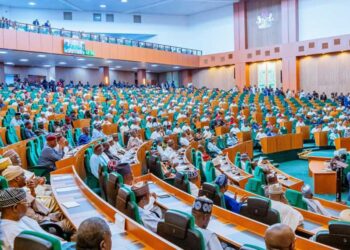

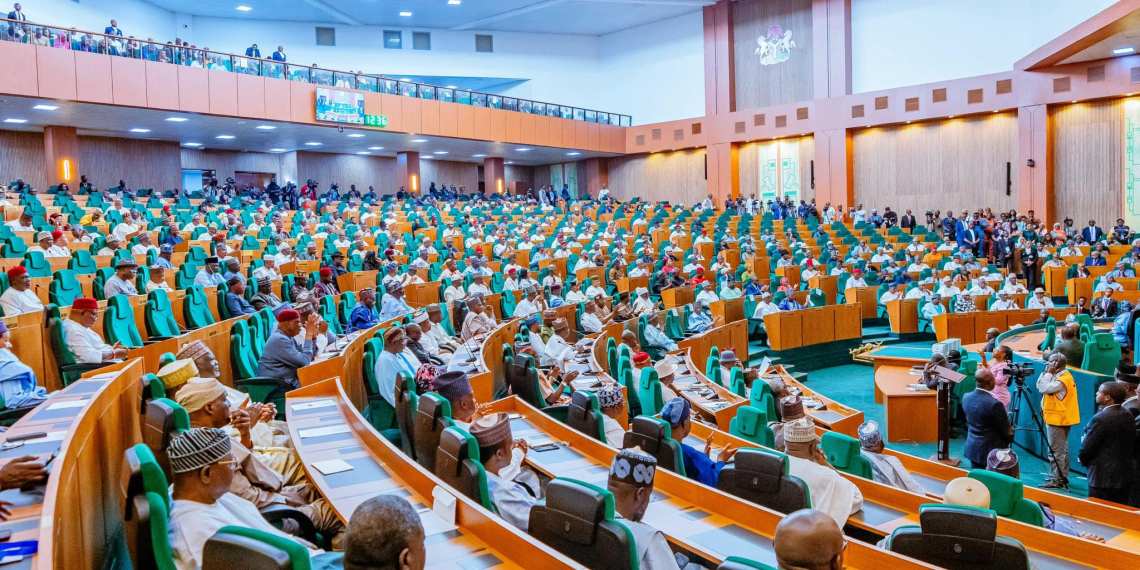
The House of Representatives has approved a substantial increase in campaign spending limits for candidates contesting elective offices in Nigeria, more than doubling the maximum expenditure for presidential candidates from N5 billion to N10 billion.
The decision was made during Thursday’s plenary session following a clause-by-clause consideration of proposed amendments to the Electoral Act 2022, as lawmakers move to update the country’s electoral framework ahead of the 2027 general elections.
The approved changes include significant upward revisions of spending ceilings across all elective positions in the country. For governorship elections, the campaign expenditure limit was tripled from N1 billion to N3 billion, while senatorial candidates can now spend up to N500 million, a fivefold increase from the previous N100 million cap.
The spending limit for candidates seeking election to the House of Representatives was raised from N70 million to N250 million, representing more than a threefold increase.
At the state level, candidates contesting seats in State Houses of Assembly will now be permitted to spend a maximum of N100 million on campaigns, up from the former N30 million limit.
For local government elections, the approved amendments allow chairmanship candidates to spend up to N100 million on campaigns, compared to the N30 million previously permitted. Councillorship candidates also benefited from the review, with their spending limit doubled from N5 million to N10 million.
In addition to raising campaign expenditure limits, the House approved a tenfold increase in the maximum amount an individual or organization can donate to a candidate. Under the proposed amendment, the donation ceiling was raised from N50 million to N500 million.
Lawmakers justified the increases by citing present economic realities and the rising cost of political campaigns in Nigeria, arguing that the adjustments reflect current market conditions and the expenses associated with modern electioneering.
The adjustments form part of broader legislative efforts by the National Assembly to strengthen Nigeria’s electoral framework. On Wednesday, the House approved another significant amendment mandating the real-time electronic transmission of election results, a reform that has been long advocated by civil society groups and election observers.
The proposed amendments to the Electoral Act will take effect once they receive concurrence from the Senate and are subsequently signed into law by President Bola Tinubu.
The increased spending limits have sparked debate among political observers, with some expressing concern that higher campaign costs could further entrench the influence of money in Nigerian politics and potentially exclude candidates without access to substantial financial resources.
Critics argue that raising spending limits could make political office accessible only to wealthy individuals or those with strong financial backing, potentially undermining democratic participation. However, supporters contend that the adjustments are necessary to reflect inflation and the actual costs of running effective political campaigns across Nigeria’s vast and diverse landscape.
The amendments come as political parties and potential candidates begin positioning themselves for the 2027 general elections, which will determine Nigeria’s leadership at federal, state and local government levels.