
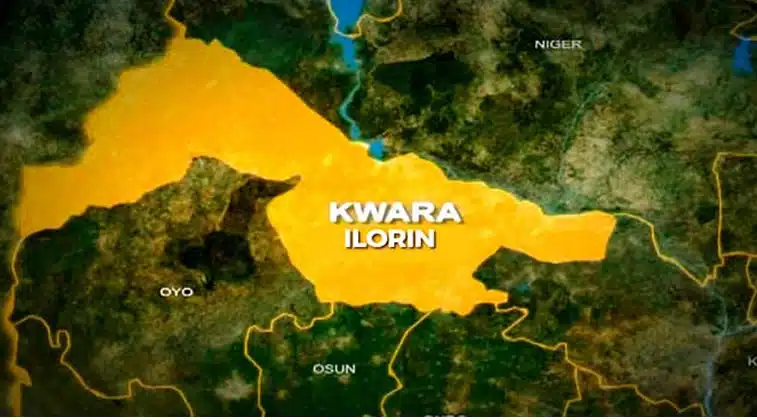
The Kwara State Government has revealed that armed men shown in a viral video being interrogated by soldiers were not bandits as initially believed, but members of a controversial Joint Task Force that includes Miyetti Allah personnel deployed under federal security arrangements.
The clarification, which has generated fresh controversy over the use of armed non-state actors in counter-insurgency operations, comes after widespread public anger and calls for a state of emergency following circulation of the interrogation footage.
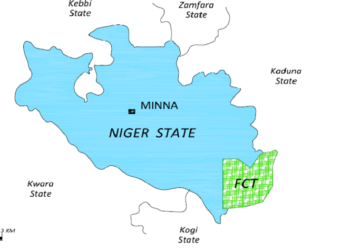
Ibrahim Abdulateef, Senior Special Assistant on Communication to the Governor, disclosed in an interview with Informant247 that the arrested individuals were Miyetti Allah members incorporated into security operations following deadly attacks in Ifelodun Local Government Area on September 29.
“Under their security setup, they use both recognised officers and a JTF which includes members of Miyetti Allah and local vigilante networks,” Abdulateef stated, confirming the controversial arrangement.
The government official revealed that a patrol vehicle was provided to the operatives through the local government chairman as part of efforts to strengthen security capabilities in the area.
However, the situation took an unexpected turn when the operatives allegedly absconded with the official vehicle after completing their assigned duties.
Abdulateef dismissed claims that the men were arrested as bandits within Kwara State, instead alleging that soldiers apprehended them “in Auchi, Edo State, not anywhere in Kwara” following the vehicle theft.
The Chief Press Secretary to the Governor, Rafiu Ajakaye, provided additional details about one of the individuals mentioned in the suspects’ confessions during interrogation.
“Victor is a police sergeant attached to the NSA Office,” Ajakaye clarified, addressing speculation that the official was affiliated with the Department of State Services or Air Force.
According to the government spokesman, Victor and the vigilante operatives involved in the operation have since departed Kwara State following demands from affected local communities—a decision the administration said it respects.
Ajakaye cautioned against sensational media coverage of the incident, describing the situation as presenting a “secrecy dilemma” that requires careful balance between transparency and operational security.
In a WhatsApp statement, he emphasized the complexity of managing security crises while maintaining public accountability.
“We are going through a difficult phase in national security emergency. The pain of losing our brothers and sisters and of losing our peace of mind cannot be quantified. Losing a soul is a tragedy — much less many souls,” Ajakaye wrote.
The press secretary called for restraint from political leaders and community stakeholders amid rising tensions over the revelation of armed Miyetti Allah involvement in official security operations.
“But statesmen and patriots aren’t known in time of peace and ease. The elite (who shoulder the burden of guiding the masses) need to handle these whole things with a lot of tact and patriotism,” he urged.
Ajakaye appealed for divine intervention and responsible leadership during the challenging period.
“May God guide us, restore peace in our land, expose the evil doers and their collaborators, and make our country stronger, more peaceful, and more prosperous,” he stated. “This is a time for careful leadership, not reckless accusations.”
The government’s confirmation that Miyetti Allah members have been armed and deployed in security operations has reignited fierce debate about the National Security Adviser’s controversial counter-insurgency strategies.
Previous reports indicated strong resistance from Kwara residents and local Fulani leaders to alleged plans by NSA Nuhu Ribadu to deploy and arm Fulani herders, specifically Bororos, with AK-47 rifles to combat banditry.
Indigenous Fulani stakeholders had warned that arming non-state pastoral groups could exacerbate insecurity rather than resolve it, citing the failure of similar initiatives in other regions and concerns about the loyalty and accountability of migrant herders.
Both the Kwara State Government and Miyetti Allah leadership had initially denied any arrangement involving the arming of herders or collaboration with security forces, making the current admission particularly controversial.
The revelation raises fundamental questions about the legality, oversight, and wisdom of incorporating ethnic militia groups into official security architecture, particularly organizations like Miyetti Allah that have been accused of complicity in farmer-herder violence across Nigeria.
Human rights organizations and security analysts have long warned against outsourcing state security functions to non-state actors, arguing that such arrangements create accountability gaps, potential for abuse, and risks of weaponizing communal identities.
The fact that the operatives allegedly stole government property after their assignment adds another troubling dimension, suggesting potential command and control problems inherent in using irregular forces outside formal military and police structures.
Critics argue that the incident vindicates warnings that arming pastoral groups, regardless of stated intentions, could backfire by placing weapons in the hands of individuals whose primary loyalties may not align with state interests.
The Kwara State Government’s handling of the controversy—initially distancing itself before confirming the arrangement while urging discretion—reflects the political sensitivity surrounding the use of ethnic militias in a country struggling with identity-based conflicts.
As investigations continue into the vehicle theft and the broader security arrangements in Kwara, the incident has sparked renewed calls for transparency regarding who is being armed under government authority and what accountability mechanisms exist to prevent abuse.
The National Security Adviser’s office has not issued a statement addressing the controversy or clarifying the scope and legal basis for incorporating Miyetti Allah members into Joint Task Force operations.