
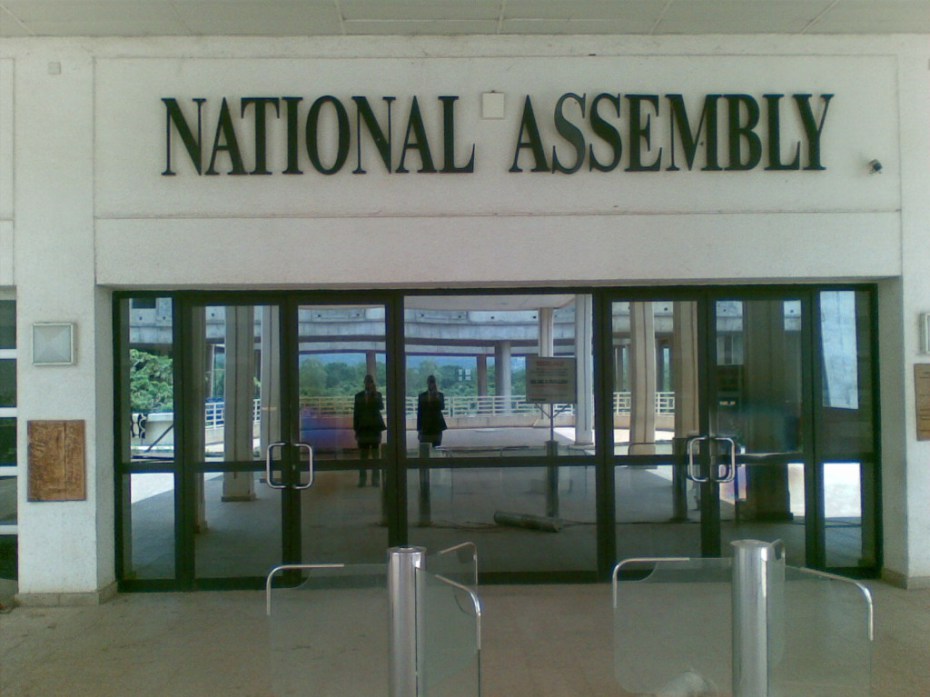
A National Assembly proposal to reschedule Nigeria’s 2027 general elections to November 2026 has ignited controversy, with critics warning the move could plunge the country into perpetual campaigning at the expense of governance.
The draft amendment to the 2022 Electoral Act mandates that presidential and gubernatorial elections be conducted no later than 185 days before incumbent terms expire, effectively shifting the traditional February/March polling period to November of the preceding year.
Under the proposal, the 2027 elections would occur on November 20, 2026, with National Assembly and State House of Assembly polls following the same accelerated timeline. Lawmakers argue the change would resolve chronic problems with post-inauguration electoral litigation that has seen elected officials removed from office years into their terms.
Lawmakers Defend Timeline Adjustment
Adebayo Balogun, Chairman of the House Committee on Electoral Matters, outlined the rationale during a recent public hearing of the Joint Committee on Electoral Matters.
“We are proposing this adjustment to allow enough time for all election cases to be concluded before the swearing-in of elected officials,” Balogun explained. “To achieve this, we are also proposing to reduce the duration of tribunal and appellate court judgments, so that all election disputes will be resolved within the 185-day window before inauguration.”
The amendments would transfer the power to fix election dates from the Constitution to the Electoral Act by modifying sections 76, 116, 132, and 178 of the 1999 Constitution. According to Balogun, this change would eliminate constitutional obstacles that currently complicate calendar adjustments.
The proposal compresses judicial timelines dramatically. Election tribunals would receive 90 days rather than the current 180 to conclude cases. Appeals would be limited to 60 days at the Appellate Court level, with the Supreme Court required to issue final judgments before the 185-day deadline.
Additionally, the draft introduces early voting provisions for security personnel, INEC officials, accredited observers, journalists, and electoral ad hoc staff who typically cannot vote on election day due to official duties. This special voting would occur no later than 14 days before the main election.
Critics Warn of Governance Paralysis
Opposition to the proposal has been swift and substantial, with critics arguing it would institutionalize permanent electioneering that diverts attention and resources from governance.
The African Democratic Congress issued a scathing rejection through its interim national publicity secretary, Bolaji Abdullahi, characterizing the proposal as fundamentally damaging to effective administration.
“By cutting the political calendar by six months, the proposal threatens to push Nigeria into a state of permanent electioneering, where politics dominates governance and development is perpetually on hold,” the ADC statement read. “Campaigns will begin as early as 2025, leaving barely two years of real governance before political noise takes over.”
The party argued that Nigeria cannot sustain a system where governments campaign for two years and govern for only two, noting that the current administration already appears distracted by political considerations.
Stakeholders have expressed concern that state resources would be channeled into campaign war chests rather than infrastructure and public services. One critic quoted by Daily Post warned that “all allocations to states from next year will be channelled into political war chests instead of infrastructure and services for citizens.”
Experts Point to Institutional Weaknesses
Public affairs analyst Prince Johnson Meekor contended that the problem lies not with electoral timing but with institutional inefficiency, citing international examples of rapid dispute resolution.
“In Kenya, the Supreme Court must resolve presidential election petitions within 14 days. Indonesia’s Constitutional Court decides similar disputes within 14 working days. Ghana’s Supreme Court has 42 days,” Meekor noted. “Changing dates without strengthening institutions will not solve anything.”
He emphasized that genuine reform requires empowering INEC and the judiciary to deliver swift justice rather than manipulating the electoral calendar.
## Proponents See Anti-Manipulation Benefits
Supporters of the proposal argue it would reduce electoral malpractice by preventing incumbents from leveraging staggered elections to influence outcomes.
Lagos-based lawyer Kayode Akiolu suggested that simultaneous presidential and gubernatorial elections would eliminate the strategic advantages currently exploited by dominant parties.
“If both elections were held on the same day in 2023, Governor Babajide Sanwo-Olu would have lost to Labour Party’s Rhodes-Vivour,” Akiolu claimed. “The Labour Party clearly won the presidential election in Lagos, but because Bola Tinubu was declared president, federal structures were deployed to secure Sanwo-Olu’s victory.”
Akiolu argued that simultaneous polls force all candidates to focus on their own races rather than coordinating resources across different electoral levels, potentially opening opportunities for smaller parties and independent candidates.
The proposal remains under consideration at the public hearing stage, but has already crystallized a fundamental debate about whether Nigeria needs calendar restructuring or institutional strengthening to achieve electoral credibility.
If enacted, the amendment would establish a historic precedent by moving general elections from their traditional first-quarter timeframe to late in the preceding year, fundamentally altering the rhythm of Nigerian democracy and governance.