
Families of some of the 37 suspected illegal miners who died in the custody of the Nigeria Security and Civil Defence Corps (NSCDC) in Niger State have rejected a reported ₦100,000 payment from the state government.
The grieving relatives said they were not interested in compensation, insisting that their priority was to establish the circumstances surrounding the deaths and ensure that anyone found responsible is held accountable.
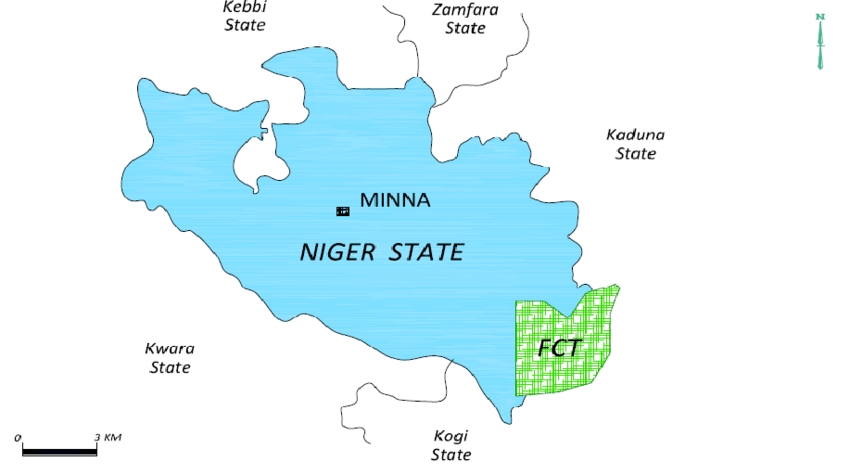
The 37 detainees reportedly died after they were arrested during anti-illegal mining operations in the M.I. Wushishi and Lukoto areas of Niger State on September 15 and 16, 2026.
They were later taken to NSCDC facilities in Minna, where they died.
The incident has generated protests and public concern, with relatives and other stakeholders demanding an independent investigation into the circumstances surrounding the deaths.
The NSCDC had initially attributed the deaths to a suspected disease outbreak. However, relatives and survivors raised concerns about the conditions in which the miners were detained, including alleged overcrowding and poor treatment.
The exact cause of death has not yet been established, as forensic examinations and autopsies are reportedly being conducted.
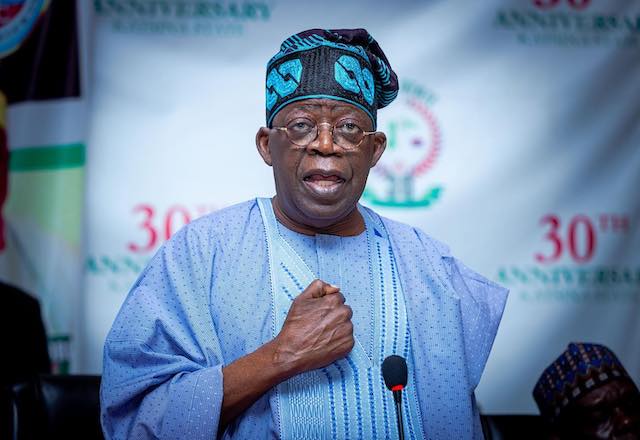
President Bola Tinubu has ordered a comprehensive investigation into the incident, while Interior Minister Olubunmi Tunji-Ojo inaugurated a 10-member independent committee to investigate the deaths and recommend measures to prevent a recurrence.
Twenty-one NSCDC personnel were initially suspended over the incident, with the number later increasing to 24 as investigations expanded.
Speaking about the reported ₦100,000 payment, one of the relatives said the families viewed it as an attempt to silence them.
“Yes, they are giving us money to silence us, or whatever you may call it. That is what we are asking about. They have given us money to silence us,” the relative said.
Another family member said relatives had instructed their children not to accept the money.
“If we have been wronged, we have been wronged, and we have left everything to Allah,” the person said.
“We have told our children to return the money to them because they cannot benefit from the blood of their relatives. They will not eat that money.”
The families also questioned the value of the proposed payment, noting that many of the deceased relied on mining to support their households.
One relative said some of the miners could earn more than ₦300,000 from mining activities.
“Today, they have gone into the mine, and by the power of Allah, Allah gives them more than three hundred thousand [naira] for them to live on and take care of their needs,” the relative said.
“But if they see that people are being sent to the mines and our children are being killed, then why should they bring them one hundred thousand naira?”
Another grieving relative said accepting the money could create the impression that the lives lost had been assigned a monetary value.
“As for this money they brought for them, it is as if they are trying to place a value on their lives because they were not their relatives,” she said.
“If their relatives were still alive today and were with them, they would be worth more than this money.”
The families called on the authorities to ensure that the investigation leads to accountability.
“What we want is for the money to be used against the person who committed this terrible act; something should also be done to him,” the woman said.
“The government should show him that we too are human beings and that we too have feelings.”
The relatives also drew attention to the economic difficulties confronting families who lost their breadwinners.
“Some people have three children who are now orphans. Some have nothing at all. Others would normally go and do gold mining so that they could return home and feed their children. Now that has been stopped; what option do they have?” she asked.
Despite their anger and grief, the families appealed for calm and urged youths not to retaliate.
“Please, my children and my grandchildren, be patient. We have already been wronged; do not retaliate. Leave them to Allah,” one relative said.
The family member suggested that if the money was eventually accepted, it should be channelled towards charity rather than personal use.
“Take this money and buy water containers and donate them to the mosque. Do not spend any of it on yourselves,” the person said.
The relatives also said the deaths were unlike anything they had experienced during their years in gold mining.
“We have been involved in gold mining, but we have never seen anything like this. We have never experienced this before,” one of them said.
They further alleged that some detainees were confronted with demands relating to their mining sites, bail or surrendering land after their arrest.
“And after arresting them, they say it is either the land, or bail, or they should give up the land. Is that how things are done here?” the relative asked.
The circumstances surrounding the deaths remain under investigation, with the independent committee expected to establish what happened and make recommendations to the government.