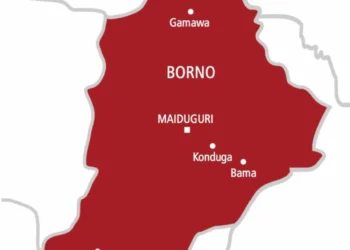

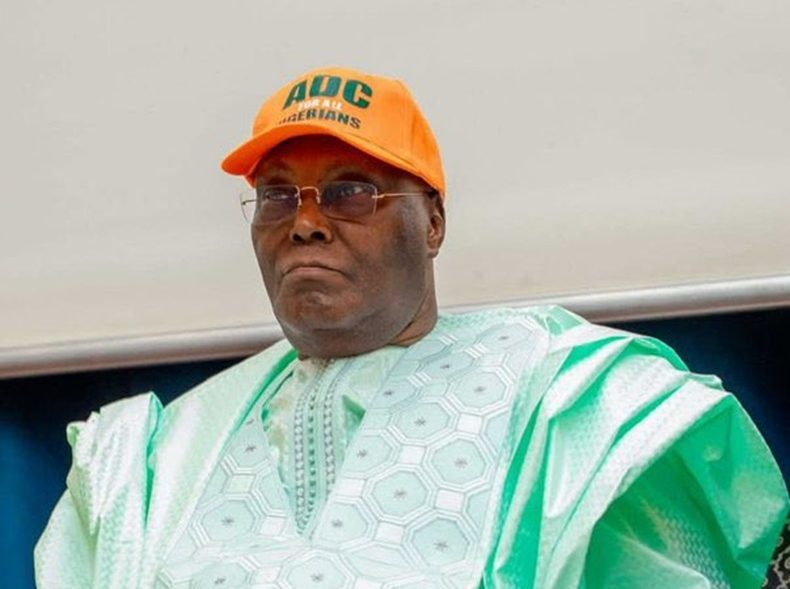
Former Vice President Atiku Abubakar has voiced strong concern over the resurgence of violent attacks in northeastern Nigeria following a recent explosion in Maiduguri.
Reacting via a post on 𝕏, Atiku said the incident in Borno State evokes troubling memories of 2014, when insurgent activities were at their peak across the region. He warned that the renewed wave of suicide bombings and assaults targeting both civilians and security forces signals a dangerous setback in the fight against terrorism.
While commending the efforts of Nigerian troops, the former presidential candidate urged the administration of Bola Ahmed Tinubu to reassess its current security strategy. According to him, the persistence of such attacks risks eroding public confidence in the government’s ability to safeguard lives and property.
Atiku noted that many Nigerians are increasingly dissatisfied with routine condemnations of violence, stressing that citizens expect concrete action and measurable improvements in security. He also criticized what he described as a misplaced focus on political opponents, arguing that it detracts from addressing the country’s pressing security challenges.
He further questioned official claims that strong directives have been issued to security agencies, pointing out that insurgents continue to carry out attacks despite such assurances. Emphasizing that insecurity affects all Nigerians regardless of political affiliation, Atiku cautioned against dismissing genuine concerns as mere political criticism.
Highlighting the human cost of the crisis, he expressed sympathy for families affected by the attacks in Maiduguri and surrounding areas, noting growing public frustration over incidents occurring in locations previously declared safe.
Atiku also raised concerns about the welfare of frontline soldiers, alleging that some are confronting insurgents with inadequate equipment. He contrasted this with the president’s ongoing official trip to the United Kingdom, suggesting a disconnect between leadership priorities and the urgency of the security situation.
He concluded with a warning that failure to decisively address insecurity could further weaken public trust and undermine the credibility of the government.