
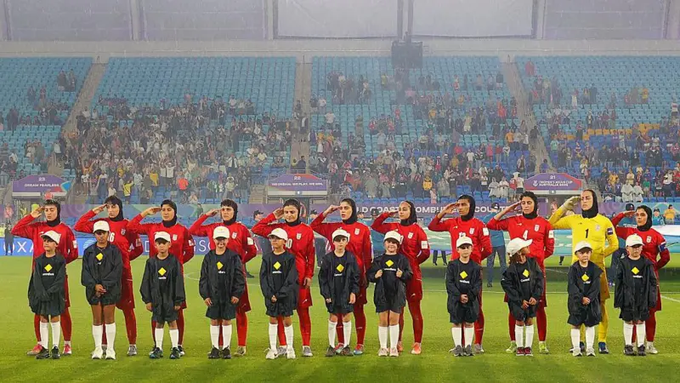
Iran has assured members of its women’s national football team that they will be received “with open arms” following their participation in the AFC Women’s Asian Cup in Australia, even as five players have sought asylum in the host nation.
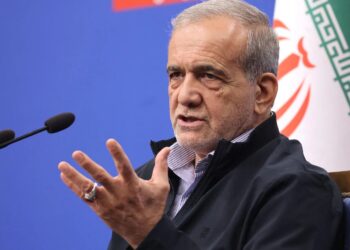
The reassurance came from Iran’s Foreign Ministry spokesperson, Esmaeil Baghaei, who urged the players to return home without fear after their exit from the tournament.
In a message shared online, Baghaei said the country was ready to welcome the team back peacefully.
“To Iran’s women’s football team: don’t worry, Iran awaits you with open arms,” he stated.
The statement followed reports that five members of the squad applied for asylum in Australia shortly after the team’s elimination from the competition. Australian authorities later confirmed that the players had been granted humanitarian visas due to concerns about their safety if they returned to Iran.
Those granted visas include team captain Zahra Ghanbari, midfielders Fatemeh Pasandideh and Zahra Sarbali Alishah, along with Mona Hamoudi and defender Atefeh Ramezanizadeh.
Australia’s Home Affairs Minister, Tony Burke, confirmed that the athletes were allowed to remain in the country and would be protected.
“They are welcome to stay in Australia, they are safe here, and they should feel at home here,” Burke said, adding that similar assurances had been offered to other members of the team.
Following the asylum requests, Australian authorities reportedly moved the five players to a secure, undisclosed location under police protection.
Iranian authorities, however, continued to encourage the team’s return. The office of the country’s general prosecutor also issued a statement inviting the remaining players to come back home “with peace and confidence,” while promising to address concerns raised by their families.
The situation drew heightened attention after the Iranian players stood silently during their national anthem before their opening match against South Korea on March 3. The gesture triggered criticism in Iranian media and raised fears the athletes could face repercussions upon returning home.
The players later sang the anthem during their subsequent matches in the tournament.
The controversy has also attracted international political interest. Former U.S. President Donald Trump said he had discussed the matter with Anthony Albanese, describing the situation as “delicate.”
Iranian officials have since rejected Trump’s comments, dismissing suggestions that the United States was attempting to intervene or “save” the players.