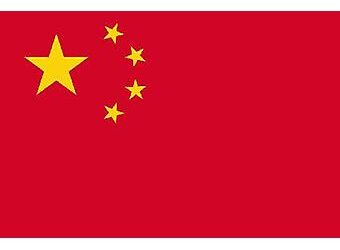

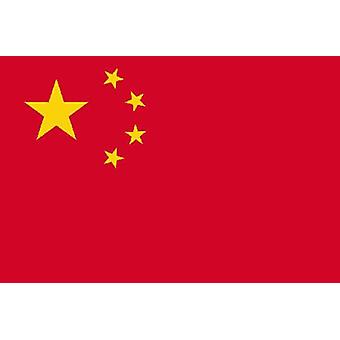
China has announced it will eliminate tariffs on imports from 53 African countries beginning May 1, broadening its trade engagement with the continent and reinforcing its position as Africa’s largest trading partner.
The decision was unveiled by Chinese President Xi Jinping, according to state media, and will apply to all African nations that maintain diplomatic ties with Beijing. The only country excluded from the arrangement is Eswatini, which recognises Taiwan instead of China.
Beijing considers Taiwan part of its territory and has consistently opposed any formal diplomatic recognition of the island by other governments.
Prior to this expansion, China had already granted zero-tariff access to 33 African countries. Officials signalled last year that the policy would be widened to cover all African diplomatic partners, and Saturday’s announcement confirms the broader framework will take effect at the start of May.
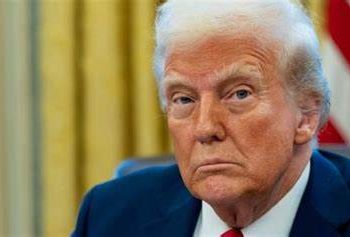
The move is expected to deepen trade flows between China and the continent at a time when several African economies are reviewing their external trade strategies. Many governments have been exploring new markets following sweeping tariff measures introduced globally last year by former U.S. President Donald Trump, which disrupted established trade patterns.
China’s latest measure aligns with its long-term economic engagement in Africa, largely driven through the Belt and Road Initiative. Under the programme, Beijing has financed major infrastructure projects across the continent, including rail networks, ports, highways and energy facilities.
Speaking as African leaders gathered in Addis Ababa for the annual African Union summit, Xi said the zero-tariff arrangement would “undoubtedly provide new opportunities for African development.”
Analysts say the policy could enhance African export competitiveness in the Chinese market while further consolidating Beijing’s economic influence across the continent.