
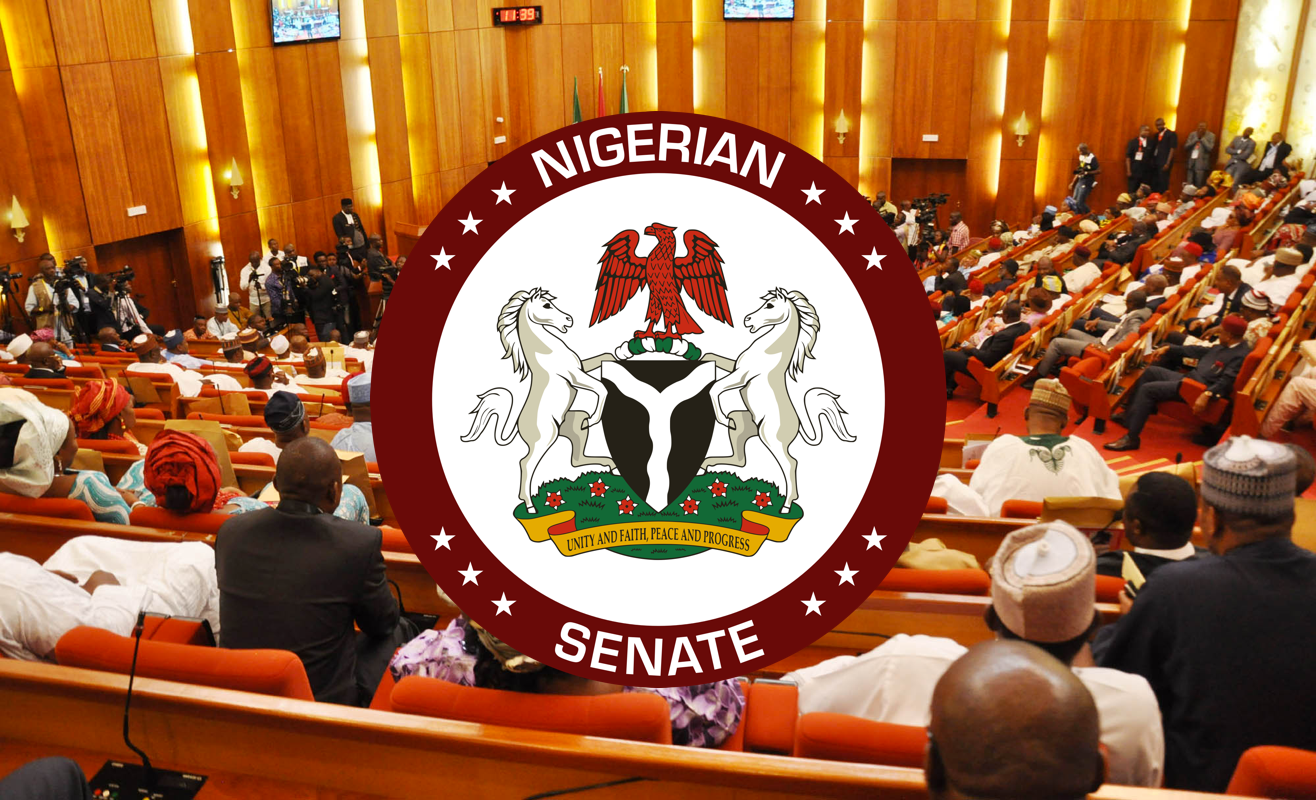
The Senate has begun formal consideration of a bill seeking to repeal and re-enact the Electoral Act 2022, marking a critical step in Nigeria’s ongoing electoral reform process.
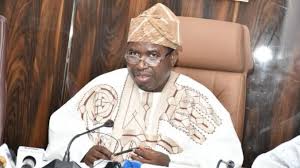
On Thursday, lawmakers moved into a closed-door session to examine documents and proposed amendments submitted by the Chairman of the Senate Committee on Electoral Matters, Senator Simon Lalong. The private session was convened to allow senators to conduct a detailed review of the bill before returning to open debate on the floor.
The decision followed the Senate’s earlier move on Wednesday to defer consideration of the legislation, a measure taken to give members adequate time to prepare for a comprehensive assessment of the proposed changes to the country’s electoral framework.
Although the House of Representatives has already passed the bill, the Senate resolved to subject it to extensive scrutiny, citing the significant implications the legislation would have for Nigeria’s democratic and electoral processes.
Addressing the chamber before it went into closed session, Senate President Godswill Akpabio underscored the importance of careful consideration of the bill, describing it as central to the integrity of elections.
“This is a very important bill, especially as it is election time,” Akpabio said. “We must take our time to ensure justice is done to all, so that we do not end up at the tribunal.”
A clause-by-clause analysis presented by the Senate Committee on Electoral Matters indicated that the proposed amendments are designed to strengthen transparency, enhance public confidence in election results and leave a lasting legacy of electoral credibility.
The committee said the reforms would widen voter participation, protect the electoral process from fraud and manipulation, and improve the institutional capacity of the Independent National Electoral Commission. It therefore recommended that the Senate consider and pass the Electoral Act (Repeal and Enactment) Bill as amended.
Lawmakers are expected to resume open deliberations on the bill after concluding their review of the submitted documents.