
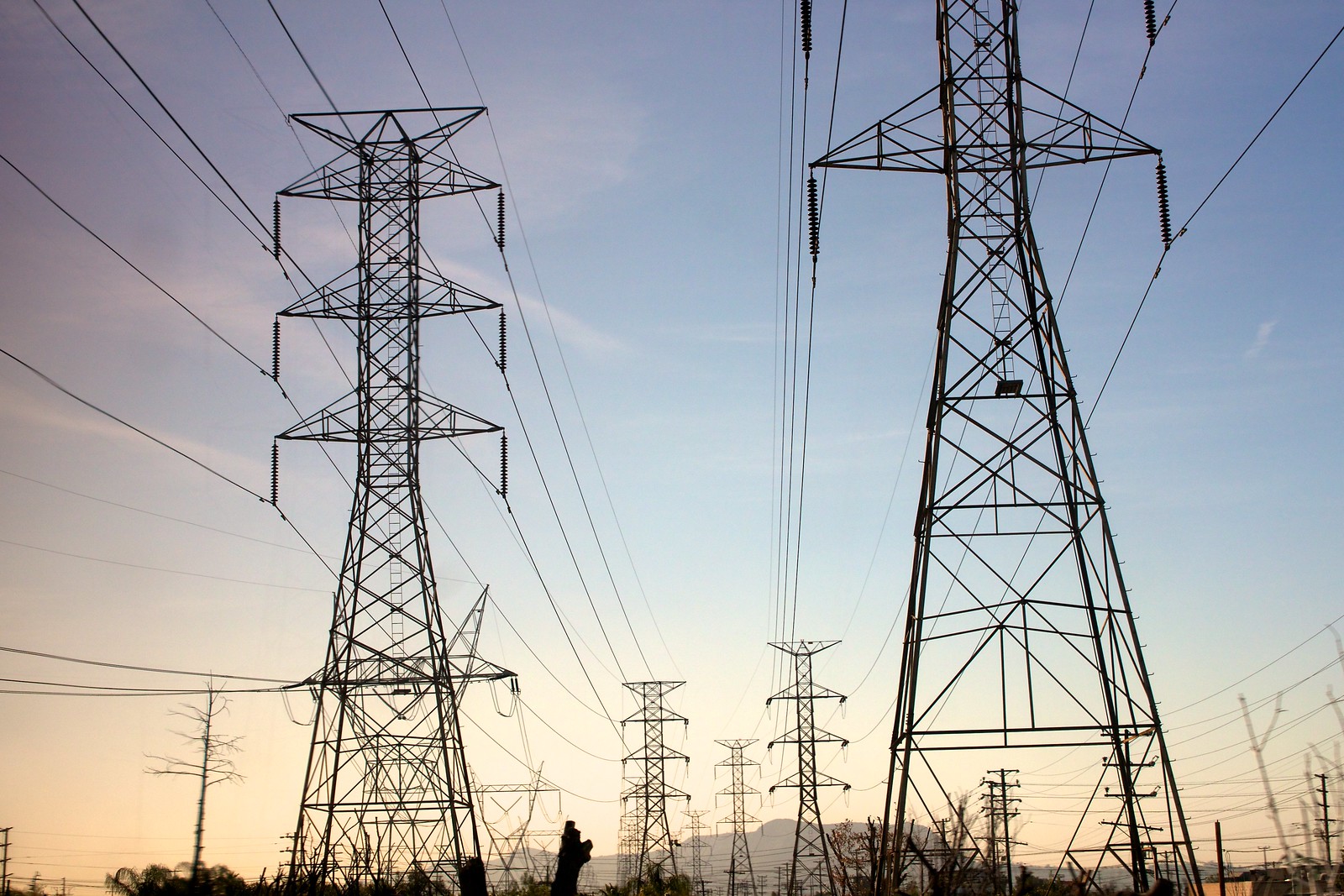
Nigeria was thrown into darkness again on Tuesday after the national electricity grid collapsed nationwide, marking the second system failure in less than a week.
Real-time data from the Nigerian Independent System Operator (NISO) showed that power supply to all 11 electricity distribution companies (DisCos) dropped to zero megawatts by about 11am, effectively cutting off electricity to homes and businesses across the country.
Affected DisCos include Benin, Eko, Enugu, Ikeja, Jos, Kaduna, Kano, Port Harcourt, Ibadan, Abuja and Yola, leaving millions of Nigerians without power.
The latest collapse comes barely days after a similar incident on Friday, January 23, 2026, which was the first grid failure recorded this year. It has renewed concerns over the fragility and reliability of Nigeria’s power infrastructure, despite repeated assurances by the federal government that conditions are improving.
Nigeria’s electricity grid has suffered frequent system collapses in recent years, often plunging the country into nationwide blackouts and disrupting economic activities.
The incident also comes shortly after the Niger Delta Power Holding Company (NDPHC) announced the restoration of an additional 450 megawatts to the national grid following maintenance work at the Geregu National Integrated Power Project (NIPP) plant. That intervention was expected to enhance grid stability and reduce outages.
However, Tuesday’s collapse suggests that the benefits of the upgrade may have been limited or short-lived, raising fresh questions about the effectiveness of ongoing investments in the power sector.