
The United States announced Wednesday that Venezuela will transfer 30 million to 50 million barrels of sanctioned crude oil to the United States, a move framed by President Donald Trump as beneficial for both American and Venezuelan citizens.
The announcement follows a highly controversial U.S. military operation in early January that Washington says resulted in the capture of Venezuelan President Nicolás Maduro.
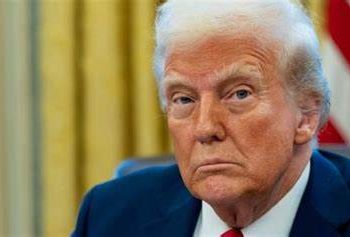
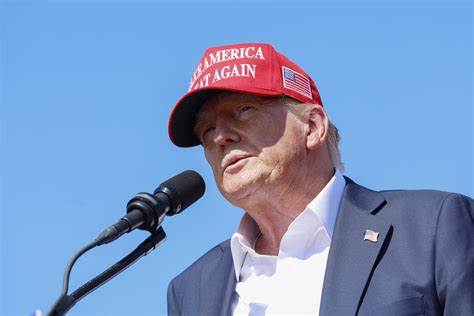
In a statement posted on social media and echoed by officials, Trump said the oil, described as “high quality, sanctioned,” would be sold at market prices, with the revenue managed by the U.S. government. “This oil will be sold at its market price, and that money will be controlled by me … to ensure it is used to benefit the people of Venezuela and the United States!” he said.
The oil move comes amid intense geopolitical and diplomatic upheaval. According to U.S. authorities, Maduro and his wife were apprehended in a large-scale operation earlier this month and transported to New York to face charges including drug trafficking and narco-terrorism. Venezuelan officials have condemned the action as an unlawful violation of sovereignty.
Acting Venezuelan President Delcy Rodríguez, sworn in after Maduro’s removal, has adopted a more conciliatory tone toward Washington but emphasized Venezuela’s legal rights. “We invite the U.S. government to collaborate with us on an agenda of cooperation oriented towards shared development within the framework of international law,” she said in her first cabinet meeting.
Despite Rodríguez’s outreach, Trump has issued stark warnings to the interim leadership. In a recent interview, he said that if she “doesn’t do what’s right,” she could face consequences “probably bigger than Maduro.”
International reactions have been deeply mixed. Some U.S. lawmakers have defended the administration’s actions, arguing the oil transfer and geopolitical leverage serve broader national interests, while others criticize the operation for lacking clear legal authority. Several foreign governments and international bodies have condemned the intervention as a breach of international law and a dangerous precedent.