
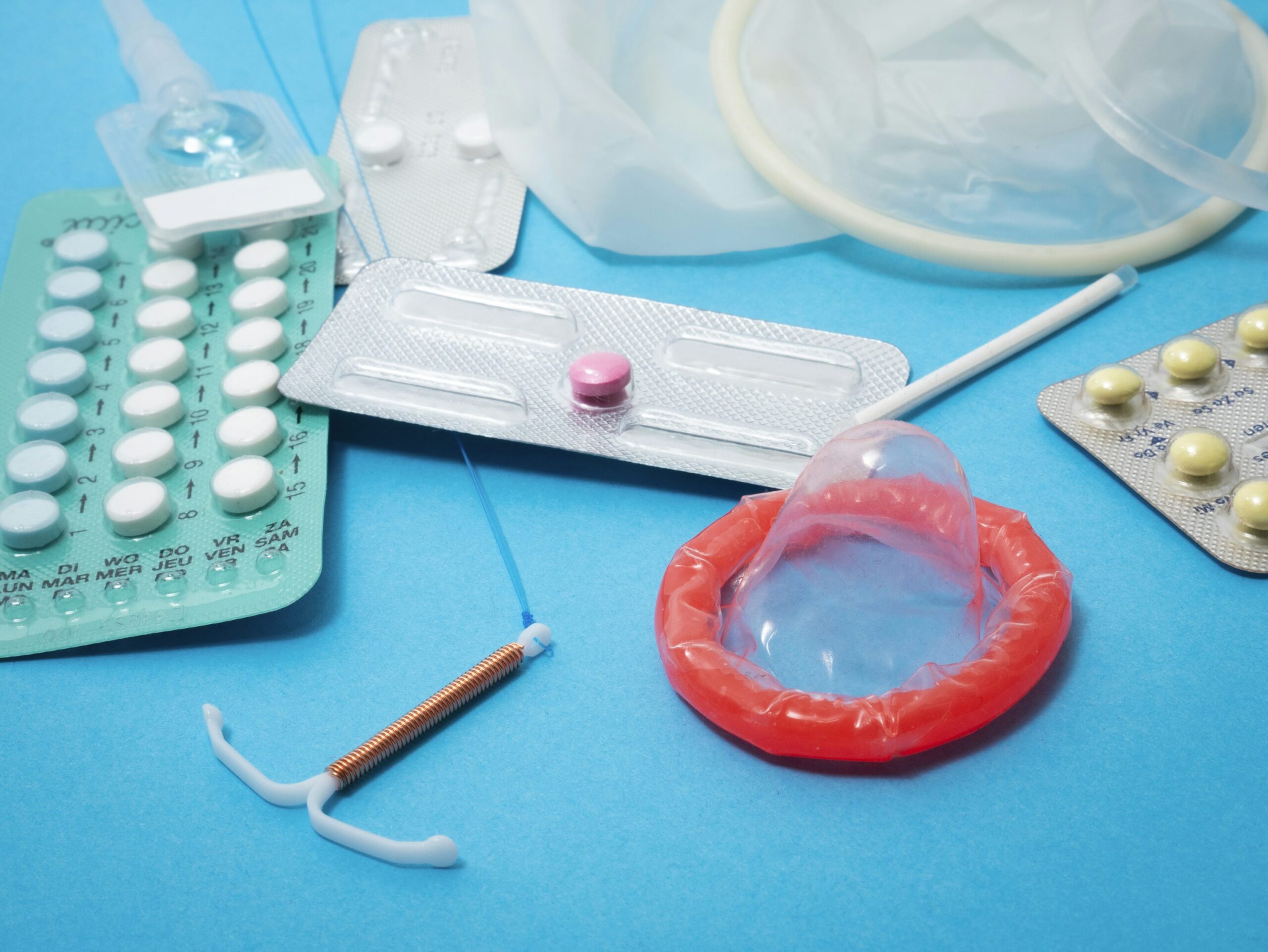
China has begun charging a 13 per cent sales tax on contraceptives from January 1, 2026, ending a decades-long exemption as part of a broader policy shift aimed at responding to the country’s shrinking population.
According to BBC News, contraceptives had been exempt from value-added tax (VAT) since 1994, a period when China was strictly enforcing its one-child policy. Under the new framework announced in late 2025, that exemption has been removed, while childcare services, elderly care, and marriage-related expenses have been granted VAT relief.
The move comes against the backdrop of a deepening demographic crisis. Official figures show that China’s population has declined for the third consecutive year, with just 9.54 million babies born in 2024 — about half the number recorded a decade earlier.
Alongside the tax overhaul, authorities have introduced other incentives to encourage family growth, including longer parental leave and cash subsidies for parents. However, the decision to tax contraceptives has triggered widespread debate and online mockery, with many questioning its effectiveness.
Daniel Luo, a 36-year-old father of one from Henan province, dismissed the idea that higher contraceptive costs would persuade couples to have more children.
“It’s like when subway fares increase,” Luo told the BBC. “When they go up by a yuan or two, people who take the subway don’t change their habits. You still have to take the subway, right?”
Others have expressed concern about possible unintended consequences, particularly for young people and those with limited financial means.
Rosy Zhao, who lives in the central city of Xi’an, warned that the policy could increase risky behaviour.
Making contraception more expensive could push students or people who are struggling financially to take risks,” she said, describing this as “the policy’s most dangerous potential outcome.”
Some analysts are also sceptical that boosting birth rates is the true motivation behind the tax change. Demographer Yi Fuxian suggested the move may be driven more by fiscal pressures than family planning goals.
“The government is facing rising debt and a prolonged property downturn,” Yi said, arguing that the tax could be aimed at shoring up public revenue rather than encouraging childbirth.
As China continues to search for solutions to its demographic decline, the new contraceptive tax has highlighted the tension between population policy, public health concerns, and economic realities.