
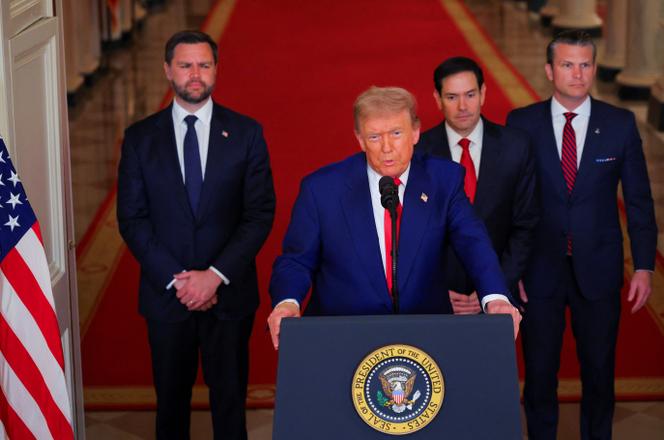
President Donald Trump has signed a proclamation expanding travel restrictions to include 15 additional countries, among them Nigeria, citing what the White House described as severe deficiencies in screening, vetting and information-sharing that pose threats to national security and public safety.
The decision was announced on Tuesday, December 16, 2025, in a fact sheet published on the White House website titled “President Donald J. Trump Further Restricts and Limits the Entry of Foreign Nationals to Protect the Security of the United States.”
According to the White House, the move aims to strengthen national security through what it termed “common sense restrictions based on data.” The proclamation places Nigeria under partial entry restrictions alongside 14 other nations identified as high-risk.
The proclamation maintains full entry restrictions on nationals from 12 countries previously listed under Proclamation 10949. These countries are Afghanistan, Burma, Chad, Republic of the Congo, Equatorial Guinea, Eritrea, Haiti, Iran, Libya, Somalia, Sudan and Yemen.
Full restrictions have also been extended to five additional countries, specifically Burkina Faso, Mali, Niger, South Sudan and Syria, as well as individuals holding travel documents issued by the Palestinian Authority. Laos and Sierra Leone, which were previously under partial restrictions, have now been upgraded to full restrictions.
Nationals of Burundi, Cuba, Togo and Venezuela remain subject to partial restrictions under the existing framework.
The new partial entry restrictions announced in the proclamation affect 15 countries: Angola, Antigua and Barbuda, Benin, Cote d’Ivoire, Dominica, Gabon, The Gambia, Malawi, Mauritania, Nigeria, Senegal, Tanzania, Tonga, Zambia and Zimbabwe.
The fact sheet clarifies that exemptions remain available for lawful permanent residents, existing visa holders, certain visa categories including athletes and diplomats, and individuals whose entry is determined to serve United States national interests. However, it notes that family-based immigrant visa exemptions associated with what the administration described as demonstrated fraud risks have been narrowed, though case-by-case waivers are still possible.
Defending the decision, the White House stated that the proclamation is intended “to prevent the entry of foreign nationals about whom the United States lacks sufficient information to assess the risks they pose, garner cooperation from foreign governments, enforce our immigration laws, and advance other important foreign policy, national security, and counterterrorism objectives.”
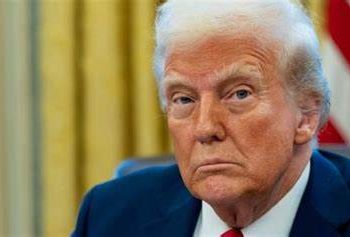
President Trump was quoted in the document as saying, “It is the President’s duty to take action to ensure that those seeking to enter our country will not harm the American people.”
The White House revealed that the decision followed consultations with cabinet officials and assessments conducted under Executive Order 14161, Proclamation 10949 and country-specific data. The administration said Trump determined that restricting or limiting entry from additional countries was necessary to protect national security and public safety.
The restrictions are characterized as country-specific, with the White House stating they are designed to encourage cooperation while recognizing the unique circumstances of each nation. The administration cited various challenges including widespread corruption, unreliable or fraudulent civil documents, weak criminal record systems and the absence of effective birth registration processes that complicate accurate vetting.
The fact sheet also points to issues such as some countries’ refusal to share passport samples or law enforcement data, the use of citizenship-by-investment schemes that obscure identity, high visa overstay rates, refusal to accept the return of deportable nationals, and the presence of terrorist, criminal or extremist activity.
The White House framed the action as part of Trump’s broader national security agenda, claiming he is fulfilling a promise to restore travel restrictions and strengthen border security. The administration also referenced a previous Supreme Court ruling on similar measures, noting that the court found such restrictions to fall within presidential authority and to be based on legitimate security objectives.
The proclamation additionally announced that restrictions on nonimmigrant visas for Turkmenistan have been lifted following what the White House described as improved cooperation with the United States, though restrictions on immigrant entry for Turkmen nationals remain in place.
The announcement has raised concerns among affected nations about potential impacts on travel, immigration and diplomatic relations with the United States, particularly for countries like Nigeria that maintain significant people-to-people ties with America through diaspora communities, business connections and educational exchanges.