
President Bola Tinubu has expressed frustration over delays in implementing his directive to withdraw police personnel from Very Important Persons and redeploy them to frontline security operations, warning that he expects immediate compliance.
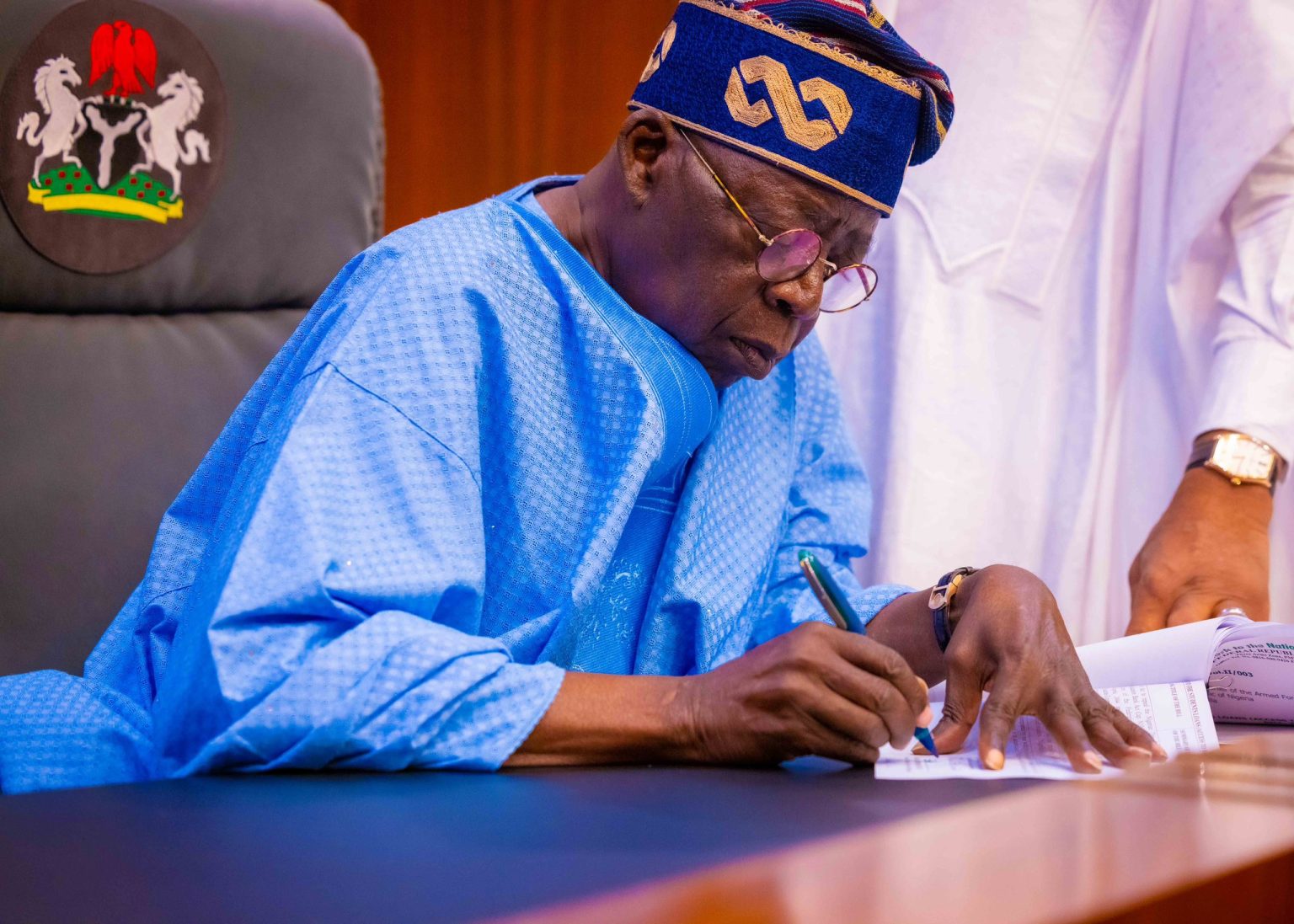
The President issued the stern warning on Wednesday at the State House in Abuja, moments before presiding over the Federal Executive Council meeting, emphasizing his determination to see the controversial policy fully executed despite apparent resistance.
“I honestly believe in what I said, It should be effective. If you have any problem because of the nature of your assignment, contact the IGP and get my clearance,” President Tinubu declared.
The directive, originally issued weeks ago, aims to free up thousands of police officers currently serving as escorts and bodyguards for politicians, business executives, and other prominent individuals, redirecting them to combat the escalating wave of kidnappings and banditry plaguing communities nationwide.
However, acknowledging that certain government officials may require protection due to the sensitive nature of their responsibilities, the President outlined alternative security arrangements to prevent leaving vulnerable individuals exposed.
“The Minister of Interior should liaise with the IG and the Civil Defence structure to replace those police officers who are on special security duties, so that you don’t leave people exposed,” Tinubu instructed.
The President directed National Security Adviser Nuhu Ribadu and the Department of State Services to establish a committee tasked with reviewing the existing security framework and ensuring full implementation of the withdrawal order.
“NSA and DSS will provide further information and form themselves the committee and review the structure,” he said, adding that Nigeria’s security architecture requires urgent recalibration to address contemporary threats.
President Tinubu framed the policy as an essential response to the country’s deteriorating security situation, particularly the surge in kidnappings that have terrorized rural communities and disrupted economic activities.
“We are facing challenges of kidnapping. We need all the forces we have on the ground, fully utilised,” the President emphasized.
In a significant expansion of his security strategy, Tinubu revealed plans to arm forest guards—personnel typically responsible for environmental protection—to enable them to confront criminal gangs operating in remote woodland areas that have become havens for bandits and kidnappers.
“I know some of our people are exposed and I understand that we have to make exceptional provision for them… Civil Defence is equally armed and I want to know that from NSA to arm our forest guards too. Take it very seriously,” the President charged.
The decision to weaponize forest guards represents a departure from their traditional conservation mandate and reflects the government’s desperation to secure vast ungoverned forest territories where security forces have struggled to maintain presence.
Nigeria’s expansive forest reserves, particularly in states like Niger, Kaduna, Zamfara, Katsina, and Sokoto, have become operational bases for armed groups who use the dense vegetation as cover while launching attacks on surrounding villages, highways, and schools.
President Tinubu’s visible frustration with the pace of implementation suggests that powerful interests may be resisting the VIP police withdrawal, with some officials and private individuals reluctant to surrender their security details.
The Nigeria Police Force had earlier announced that any officer found providing VIP escort services would face arrest, with the Inspector-General of Police, Kayode Egbetokun, deploying enforcement teams to major airports to apprehend violators.
However, weeks after the initial directive, numerous VIPs have reportedly continued moving with police escorts, prompting the President’s renewed intervention.
The involvement of the Nigeria Security and Civil Defence Corps as replacement security providers for legitimate cases raises questions about the agency’s capacity to absorb such responsibilities while maintaining its existing mandates.
Critics of the policy have argued that blanket withdrawal without proper threat assessments could endanger individuals facing genuine security risks, while supporters maintain that the policy is necessary to address the severe shortage of police officers on streets and in vulnerable communities.
Nigeria’s police force, estimated at fewer than 400,000 personnel for a population exceeding 200 million, falls far below the United Nations recommended ratio of one officer per 450 citizens.
Thousands of these officers have traditionally been assigned to escort duties for politicians, their family members, business executives, traditional rulers, and other influential individuals, significantly reducing the number available for crime prevention and investigation.
As President Tinubu intensifies pressure for compliance, attention now turns to how quickly the proposed committee will operationalize the directive and whether exceptions will be transparently managed or exploited to undermine the policy’s intent.
The President’s determination to arm forest guards also raises important questions about training, command structures, and accountability mechanisms to prevent abuse of weapons by personnel not traditionally subjected to law enforcement standards.
Security analysts suggest that while redeploying police officers from VIP protection to operational duties could improve security responses, the measure alone will not resolve Nigeria’s complex security challenges without addressing underlying issues such as poverty, unemployment, judicial inefficiency, and porous borders.
The Federal Executive Council meeting proceeded following the President’s security briefing, with ministers expected to support implementation of the directive within their respective areas of responsibility.