

Nigeria’s newly confirmed Minister of Defence, General Christopher Musa, has taken a hardline stance against ransom payments to terrorists, declaring that such practices only embolden criminal networks and perpetuate the cycle of insecurity.
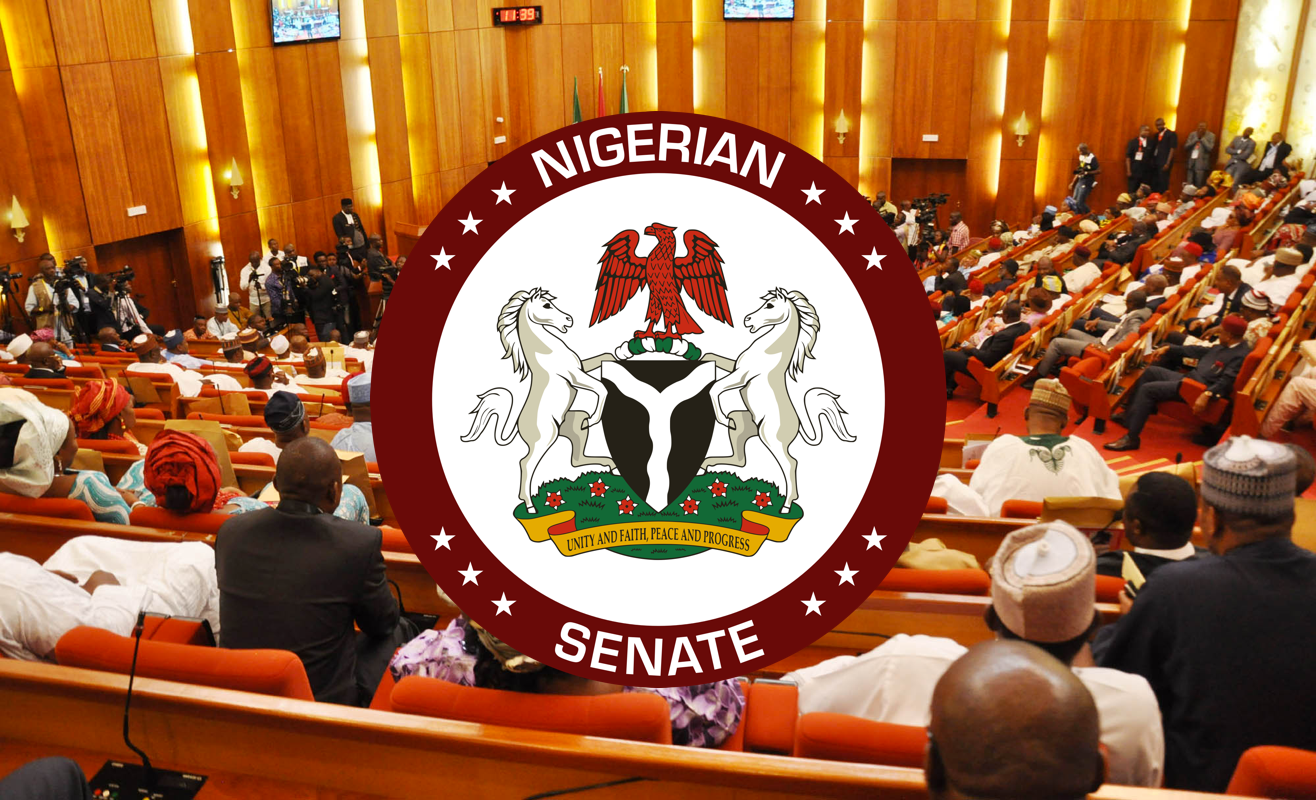
During his ministerial screening before the Senate on Wednesday, General Musa outlined a comprehensive security strategy that goes beyond military operations to address the root causes of Nigeria’s multi-dimensional security challenges.
The former Chief of Defence Staff warned that paying ransoms enables terrorists to strengthen their capabilities and launch fresh attacks, citing cases where communities that negotiated with criminals still suffered subsequent violence. Musa revealed that Nigeria’s banking system possesses the technical capacity to trace suspicious financial transactions if properly deployed, suggesting that stronger financial intelligence could disrupt terror financing networks.
In a candid assessment, the Defence Minister acknowledged that kinetic military operations contribute only about 25 to 30 percent of the overall effort needed to defeat insecurity. He identified poverty, illiteracy, weak governance, and ineffective local government structures as fundamental drivers of criminal activity, calling for a whole-of-society approach to addressing security threats.
“Military action alone cannot defeat insecurity,” Musa stated, emphasizing that state and local administrators must take greater responsibility for intelligence gathering and early intervention rather than relying solely on security agencies.
The Defence Minister expressed frustration with Nigeria’s sluggish judicial process, particularly in terrorism and kidnapping cases that languish in courts for years without resolution. Musa recommended urgent legal reforms, including the establishment of special courts dedicated to terrorism cases, stricter penalties for convicted offenders, and accelerated hearing schedules to strengthen national security efforts. He argued that swift justice would serve as both a deterrent and a demonstration of the state’s capacity to hold criminals accountable.
General Musa raised alarm about emerging criminal activity along maritime corridors linking Akwa Ibom to Cameroon, including sea robbery, piracy, and coastal kidnappings. He confirmed that Operation Delta Safe is expanding its coverage to areas that were previously secure but now show signs of criminal infiltration, signaling a strategic shift in naval and coastal security operations.
The new minister called for a comprehensive ban on illegal mining operations, describing them as a major funding source for armed groups operating in forest regions across Nigeria. His position reflects growing concerns about the nexus between illegal resource extraction and armed violence, particularly in states where mining activities have attracted criminal elements.
In a significant policy shift, Musa announced plans to reduce routine military checkpoints across the country, allowing more troops to redeploy to field operations in forests and ungoverned spaces where terrorists and bandits operate. He emphasized that restoring safe access to farmlands remains a top priority, arguing that food security is intrinsically linked to national stability.
“A hungry man is an angry man. Protecting farmers means protecting the nation,” Musa declared.
The Defence Minister revealed that more than 70,000 Nigerians apply for military recruitment annually, but many resist deployment to conflict zones, complicating force generation efforts. He proposed the creation of a unified national database to verify identities, eliminate recruitment fraud, and improve tracking of criminals across state boundaries.
Musa described Nigeria’s fragmented data systems as a serious vulnerability, noting that separate databases maintained by immigration, quarantine, and other agencies create exploitable loopholes. He urged the establishment of a single integrated database to streamline tracking, enable rapid freezing of bank accounts linked to criminal activity, and enhance intelligence coordination across security agencies.
“We have fragmented data systems that create serious obstacles. Separate databases held by immigration, quarantine and other agencies create loopholes exploited by terrorists, kidnappers, cybercriminals and illegal miners,” he explained.
Separately, the House of Representatives adopted extensive national security reform resolutions following a special three-day debate on the country’s security situation. Lawmakers called for open and transparent prosecution of all terrorism-related cases, arguing that public trials would help reduce violent crimes and restore citizen confidence in the justice system. The parliamentary resolutions align with General Musa’s reform agenda, suggesting growing political consensus on the need for comprehensive security sector transformation beyond military solutions.