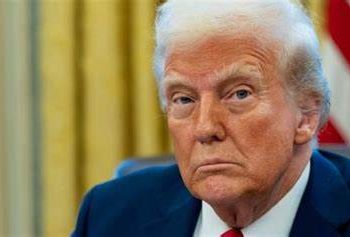

US President Donald Trump has declared that his administration will maintain an indefinite pause on asylum decisions, stating he has “no time limit” for ending the controversial measure.
The freeze, which affects citizens from 19 countries already under US travel restrictions, was introduced following a fatal shooting near the White House on November 26, 2025, that claimed the life of 20-year-old National Guard member Sarah Beckstrom and left another person critically injured.
Speaking about the policy, President Trump made clear his position on prospective asylum seekers from the affected nations.
“We don’t want those people,” Trump said. “You know why we don’t want them? Because many have been no good, and they shouldn’t be in our country.”
The Department of Homeland Security (DHS) confirmed that the suspension applies to nationals from countries including Afghanistan, Cuba, Haiti, Iran, and Myanmar—all of which have been subject to travel restrictions since June.
The asylum freeze was enacted immediately after the Washington D.C. shooting incident. Authorities arrested and charged 29-year-old Afghan national Rahmanullah Lakanwal with first-degree murder in connection with the attack.
Lakanwal had arrived in the United States through a resettlement program during the 2021 American military withdrawal from Afghanistan. He had been part of a CIA-backed “partner force” fighting the Taliban and was granted asylum in April 2025 under the current Trump administration.
However, the President has blamed the previous administration for what he described as inadequate vetting procedures during the 2021 Afghan evacuation that allowed Lakanwal into the country.
In the immediate aftermath of the shooting, Trump had signaled his intention to take sweeping action, writing that he planned to “permanently pause migration from all Third World Countries to allow the US system to fully recover.”
The current indefinite freeze on asylum decisions for the 19 designated countries appears to represent the administration’s first major step toward implementing that broader immigration objective.
The policy has drawn criticism from immigration advocates who argue that it punishes vulnerable populations seeking refuge and undermines America’s humanitarian commitments. However, the administration maintains that the measure is necessary for national security.