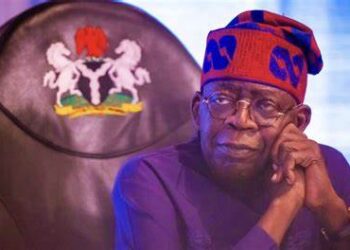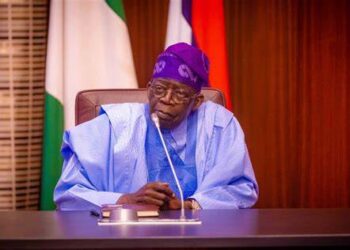

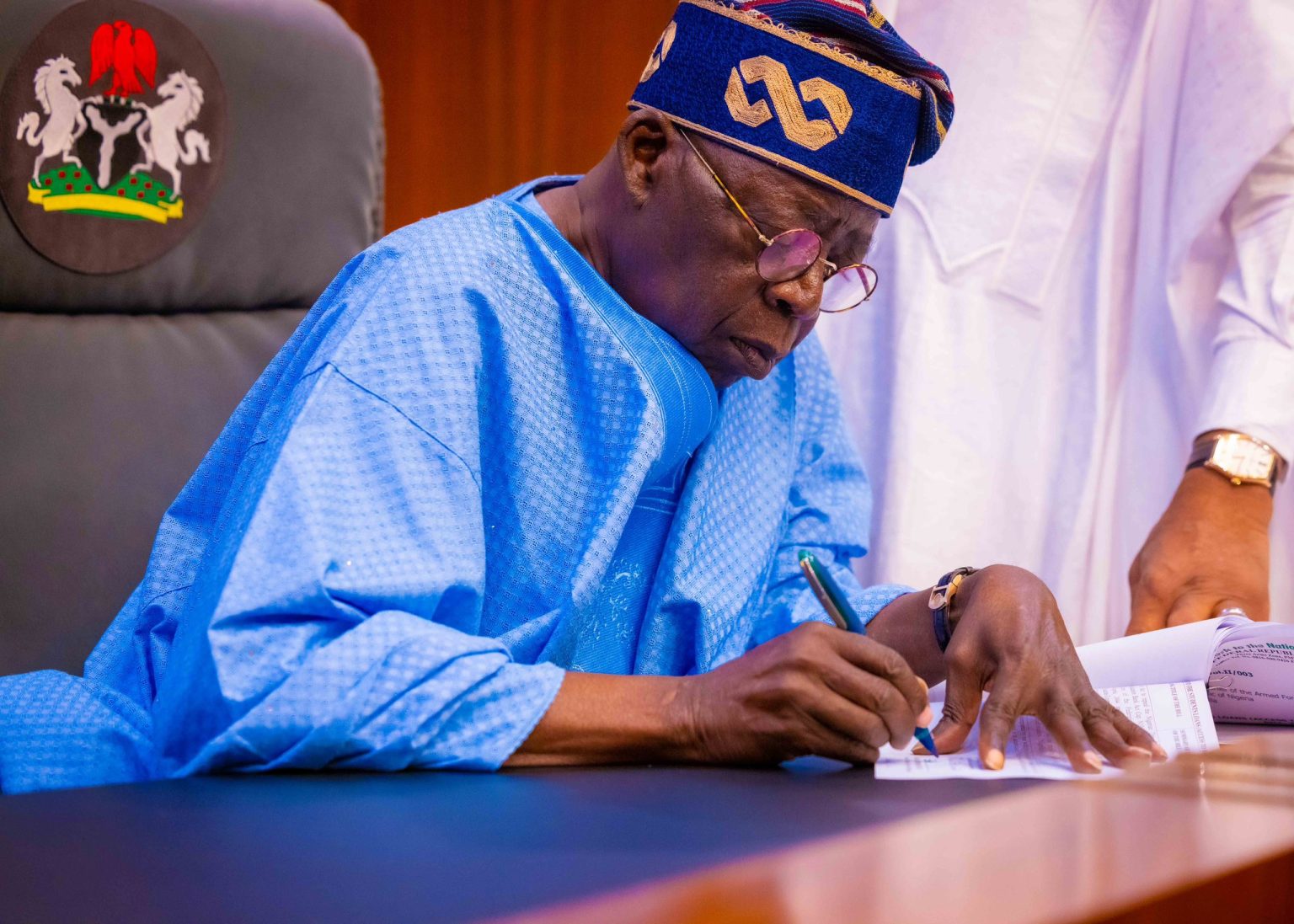
President Bola Tinubu has nominated 32 new ambassadors for key diplomatic missions worldwide, including several prominent political figures and former government officials.
The latest appointments, which have been forwarded to the Senate for confirmation, include former Aviation Minister Femi Fani-Kayode, former presidential media aide Reno Omokri, former chairman of the Independent National Electoral Commission (INEC) Mahmood Yakubu, and former Enugu State Governor Ifeanyi Ugwuanyi.
Other notable nominees are former Ekiti First Lady Erelu Angela Adebayo, former First Lady of Oyo State Fatima Florence Ajimobi, and former Abia State Governor Victor Okezie Ikpeazu.
According to information obtained, the 32-member list comprises 15 career ambassadors and 17 non-career ambassadors, with 10 women represented across both categories.
The new envoys are expected to be deployed to strategic locations including China, India, United Arab Emirates, Canada, South Africa, as well as multilateral organizations such as the United Nations, African Union, and UNESCO.
The Presidency has indicated that additional names will be announced shortly.
This latest batch of nominations follows President Tinubu’s first set of ambassadorial appointments made earlier this week.
In a post on his X account on Wednesday, Bayo Onanuga, the President’s Special Adviser on Information and Strategy, announced that Tinubu had nominated non-career ambassadors for three countries: the United States, the United Kingdom, and France.
That initial list included Ambassador Ayodele Oke, Retired Colonel Lateef Kayode Are, and Ambassador Amin Mohammed Dalhatu.
All nominations are subject to Senate screening and confirmation before the postings can be finalized.
The appointments represent President Tinubu’s most comprehensive diplomatic engagement since assuming office in May 2023, signaling a renewed focus on strengthening Nigeria’s international relations and diplomatic presence across major global capitals and international organizations.
The inclusion of prominent opposition figures and officials from previous administrations suggests an effort to create broad-based representation in Nigeria’s diplomatic corps.